
The thyroid is a small gland at the front of the neck, but its reach is enormous. Its hormones help set the pace of the body’s metabolism, influencing how quickly you burn energy, how fast your heart beats, how warm or cold you feel, and even how clearly you think. When the gland falls out of balance, the effects are rarely limited to the neck. Thyroid disorders can touch the heart, bones, brain, digestive system, skin, and reproductive health.
This article looks at thyroid disorders through the lens of their impact: how they affect different parts of the body, why they are often missed, and what can be done to protect long-term health.
A Quick Look at How the Thyroid Works
The thyroid produces two main hormones, T4 (thyroxine) and T3 (triiodothyronine). The pituitary gland controls their release by sending thyroid-stimulating hormone (TSH). When thyroid hormone levels fall, TSH rises to push the gland harder, and when levels climb too high, TSH drops. This feedback loop keeps the body in balance.
Thyroid disorders occur when this system malfunctions. The gland may produce too little hormone (hypothyroidism), too much (hyperthyroidism), or develop structural changes such as a goiter or nodules. Autoimmune conditions, including Hashimoto’s thyroiditis and Graves’ disease, are among the most common underlying causes.
Why Thyroid Disorders Go Unnoticed
One reason thyroid disorders have such a wide impact is that they are frequently undiagnosed. Symptoms tend to develop gradually and resemble everyday complaints: tiredness, weight changes, low mood, trouble concentrating, or hair thinning. People often blame stress, aging, or a busy schedule. Because the changes are slow, many adjust to feeling unwell without realizing there is a treatable cause.
Women are more likely than men to be affected, and risk increases with age. A family history of thyroid disease or another autoimmune condition raises the chances further. A simple blood test measuring TSH is usually the first step toward an answer.
How Thyroid Disorders Affect the Body
- Energy, metabolism, and weight
Thyroid hormones act as the body’s metabolic thermostat. With an underactive thyroid, metabolism slows, which can cause fatigue, weight gain, and sensitivity to cold. With an overactive thyroid, metabolism speeds up, leading to unintended weight loss, heat intolerance, and sweating. Many people notice that weight changes persist despite their usual diet and exercise habits. - Heart and circulation
The heart is highly responsive to thyroid hormone. An overactive thyroid can cause a rapid or irregular heartbeat, palpitations, and higher blood pressure, while also increasing the risk of atrial fibrillation. An underactive thyroid can slow the heart rate and raise cholesterol levels, which may contribute to cardiovascular disease over time. This is one reason doctors take untreated thyroid disorders seriously. - Brain, mood, and mental health
Thyroid hormones influence neurotransmitters and brain function. Hypothyroidism is often associated with low mood, depression, brain fog, and poor memory. Hyperthyroidism more commonly produces anxiety, irritability, restlessness, and sleep problems. Because these symptoms mimic primary mental health conditions, thyroid testing is often a useful part of evaluating persistent mood changes. - Digestive system
Thyroid hormone affects how quickly food moves through the gut. Underactive thyroid function commonly contributes to constipation, while an overactive thyroid may cause more frequent bowel movements or diarrhea. - Bones and muscles
Too much thyroid hormone speeds up bone turnover, which over time can weaken bones and raise the risk of osteoporosis and fractures. Both overactive and underactive thyroid states can cause muscle weakness, cramps, and aches. - Skin, hair, and nails
Dry, coarse skin, brittle nails, and thinning hair are common with low thyroid hormone. High thyroid hormone can cause thin, fine hair, warm and moist skin, and hair shedding. - Reproductive health and pregnancy
Thyroid disorders can disrupt menstrual cycles, causing heavy, irregular, or light periods, and may affect fertility. During pregnancy, thyroid hormone is essential for the baby’s brain and nervous system development, particularly early on. Untreated thyroid disease during pregnancy can cause complications such as miscarriage, preterm birth, and developmental concerns. For this reason, healthcare providers often discuss thyroid testing with women who are pregnant or planning a pregnancy. - Eyes and neck
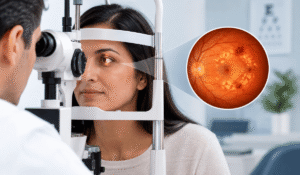
Graves’ disease can cause eye problems, including redness, irritation, bulging, and double vision. A goiter or nodules may cause visible neck swelling, hoarseness, or difficulty swallowing.
The Emotional and Social Impact
Beyond physical symptoms, living with an untreated thyroid condition can affect daily life. Persistent fatigue can reduce productivity at work and school. Mood changes and anxiety can strain relationships. Weight changes can affect body image and confidence. Many people feel dismissed when their symptoms are attributed to stress, which can delay diagnosis and add frustration. Recognizing thyroid disorders as real, treatable medical conditions helps people seek care sooner and feel less isolated.
The Impact of Untreated Thyroid Disorders
Left unmanaged, thyroid disorders can lead to serious complications:
- Heart problems, including irregular rhythms, high cholesterol, and heart failure in severe cases
- Osteoporosis and increased fracture risk
- Infertility and pregnancy complications
- Mental health difficulties, including persistent depression or anxiety
- Myxedema, a rare but life-threatening complication of severe, long-standing hypothyroidism
- Thyroid storm, a rare, severe flare of hyperthyroidism that requires emergency care
- Goiter-related breathing or swallowing problems when the gland becomes very large
The encouraging news is that these outcomes are largely preventable with timely diagnosis and treatment.
Diagnosis and Treatment: Restoring Balance

Diagnosis typically involves a physical exam and blood tests, including TSH, T4, T3, and sometimes thyroid antibodies. Doctors may use imaging, such as ultrasound, a radioactive iodine uptake scan, or a biopsy, to evaluate nodules or determine the cause of an overactive thyroid.
Treatment depends on the specific condition:
- Hypothyroidism is usually treated with daily synthetic thyroid hormone (levothyroxine), with doses adjusted through follow-up blood tests.
- Hyperthyroidism may be treated with antithyroid medications, beta-blockers for symptom control, radioactive iodine, or surgery.
- Goiters and nodules may be monitored, treated with medication, or surgically removed if they cause symptoms or raise concern for cancer.
- Thyroid cancer is generally treated with surgery, sometimes followed by radioactive iodine and long-term hormone therapy, and the outlook for common types is often favorable when caught early.
A qualified physician should always guide your treatment plan.
Protecting Your Health Long Term
Managing thyroid disorders is an ongoing partnership between patient and doctor. Helpful steps include:
- Taking medication consistently and keeping regular follow-up appointments
- Asking your doctor before using supplements, especially those containing iodine, kelp, or biotin, which can affect treatment or lab results
- Eating a balanced diet, staying active, and getting enough sleep
- Managing stress through healthy routines
- Getting screened if you have a family history, another autoimmune condition, or symptoms that persist
- Reporting new or returning symptoms promptly
How You Can Help the IAMA Charitable Foundation
For people without insurance, even a basic thyroid blood test can be out of reach. The Indian American Medical Association Charitable Foundation (IAMACF) runs a free community health clinic in Chicago that has served uninsured and underserved patients since 1994, offering primary care, lab services, a free on-site pharmacy, and specialty clinics. You can help by donating through Zelle, volunteering as a physician, medical student, translator, or intern, or sharing their mission with others. Learn more and get involved at IAMACF.
Final Thoughts
The impact of thyroid disorders reaches far beyond a small gland in the neck. They can shape energy, mood, heart health, bone strength, fertility, and overall quality of life. Yet they are also among the most manageable chronic conditions when identified early. Awareness is the first step: if persistent symptoms don’t have a clear explanation, a simple blood test can open the door to effective care.
FAQs
How do thyroid disorders affect overall health?
Thyroid disorders can affect nearly every system in the body. They can influence energy, weight, heart rate, cholesterol, mood, digestion, bone strength, skin and hair, menstrual cycles, and fertility. Because thyroid hormones regulate metabolism, an imbalance in either direction can change how the whole body functions.
Can thyroid disorders affect mental health?
Yes. An underactive thyroid can contribute to low mood, depression, and brain fog, while an overactive thyroid can cause anxiety, irritability, and trouble sleeping. Because these symptoms resemble other mental health conditions, thyroid testing is often part of evaluating persistent mood changes.
Why are thyroid disorders often undiagnosed?
Symptoms such as fatigue, weight changes, and hair thinning often develop slowly, so people may blame them on stress or aging. Many people get used to feeling unwell without realizing they have a treatable condition, and a simple blood test can usually identify the problem.
What happens if thyroid disorders are left untreated?
Untreated thyroid disorders can lead to heart problems, high cholesterol, osteoporosis, infertility, pregnancy complications, and ongoing mental health difficulties. In rare, severe cases, they can cause life-threatening conditions such as myxedema or thyroid storm, which is why early diagnosis matters.
Can thyroid disorders affect pregnancy?
Yes. Thyroid hormone plays an essential role in a baby’s brain and nervous system development, while untreated thyroid disease during pregnancy can increase the risk of complications such as miscarriage and preterm birth. Women who are pregnant or planning pregnancy should talk to their healthcare provider about thyroid testing.
How can I protect my health if I have a thyroid disorder?
Take your medication exactly as prescribed, keep regular follow-up appointments, and ask your doctor before using supplements that contain iodine, kelp, or biotin. Eating a balanced diet, staying active, sleeping well, and reporting new or returning symptoms promptly also help keep thyroid disorders well managed.