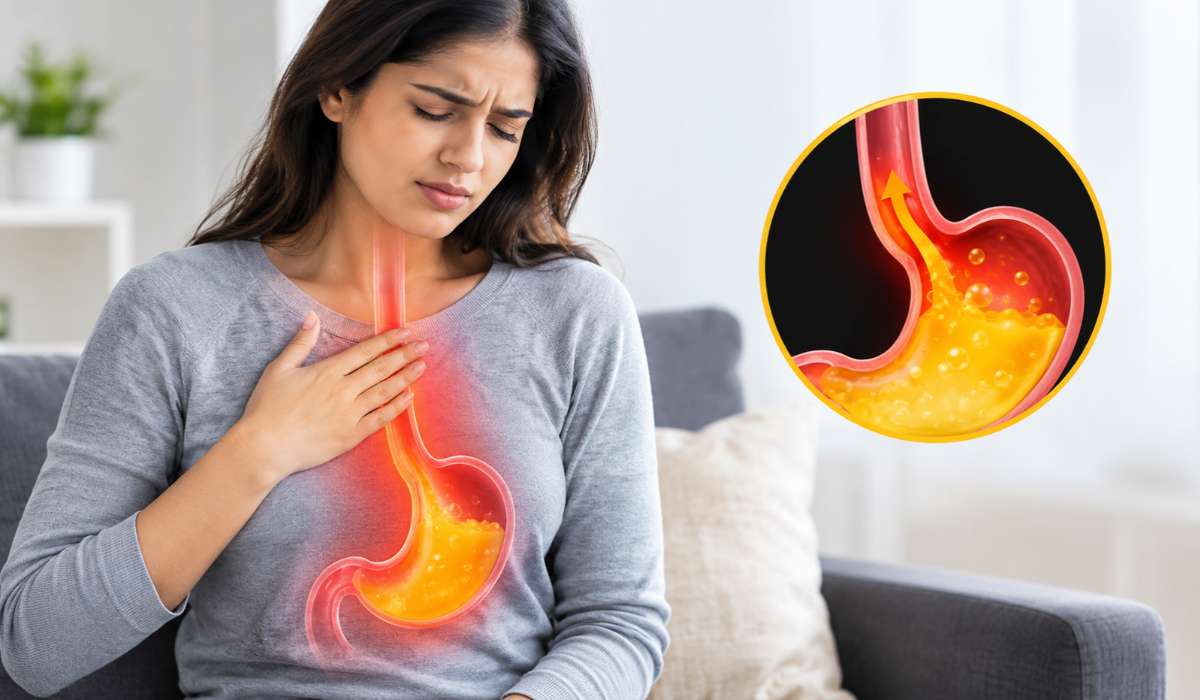
GERD, or Gastroesophageal Reflux Disease, is a chronic disorder of the digestive system, which results in the backing up of stomach acid in the esophagus – the tube through which food moves from your mouth into the stomach. Acid reflux is a normal process that is harmless. However, it is regarded as GERD if it occurs more than twice a week or when the condition is accompanied by constant irritation.
The end portion of the esophagus is encircled by a muscular ring known as the lower esophageal sphincter (LES). This muscle functions by relaxing to allow the passage of food into the stomach, and then closing back after the food moves in. In the case of GERD, the muscle fails to function properly.
Gastroesophageal reflux disease (GERD) is among the most common digestive disorders worldwide, affecting millions of adults. It can appear at any age, but it becomes more common as people get older.
Causes and Risk Factors
GERD rarely has a single cause. It is often developed through a mixture of physical and personal factors.
Medical and physical causes
- A weak or poorly functioning LES
- A hiatal hernia, where part of the stomach pushes up through the diaphragm
- Delayed stomach emptying (gastroparesis)
- Pregnancy, which raises abdominal pressure and changes hormone levels
- Connective tissue disorders such as scleroderma
Lifestyle triggers
- Obesity or recent weight gain
- Smoking or exposure to secondhand smoke
- Eating large meals or lying down soon after eating
- Late-night snacking
- Fatty, fried, spicy, or acidic foods, chocolate, caffeine, mint, and carbonated drinks
- Alcohol
Medications
Some drugs can aggravate reflux, including certain pain relievers (such as aspirin and ibuprofen), some blood pressure medicines, sedatives, and some asthma medications. Never stop a prescribed medicine without speaking to your doctor.
Common Symptoms
The hallmark of GERD is heartburn, a burning feeling in the chest, often after eating and worse when lying down or bending over. Other symptoms include:
- Taste in the mouth that is bitter or sour
- Regurgitation of food or liquid
- Difficulty or pain when swallowing
- A sensation of lump in the throat
- Chronic dry cough, hoarseness, or frequent throat clearing
- Worsening asthma symptoms
- Disrupted sleep caused by nighttime reflux
- Bad breath or tooth enamel erosion
Important: Chest pain can also signal a heart attack. If you have chest pressure with shortness of breath, pain spreading to the arm or jaw, sweating, or dizziness, seek emergency care immediately.
Possible Complications
If left untreated, GERD may result in further complications, such as:
- Esophagitis: inflammation, sores, or bleeding in the esophagus
- Esophageal stricture: narrowing from scar tissue, making swallowing difficult
- Barrett’s esophagus: changes in the esophageal lining that slightly raise the risk of esophageal cancer
- Respiratory problems: aspiration, chronic cough, or recurring pneumonia
Most people with GERD never develop these complications, but persistent symptoms deserve medical attention.
How GERD Is Diagnosed
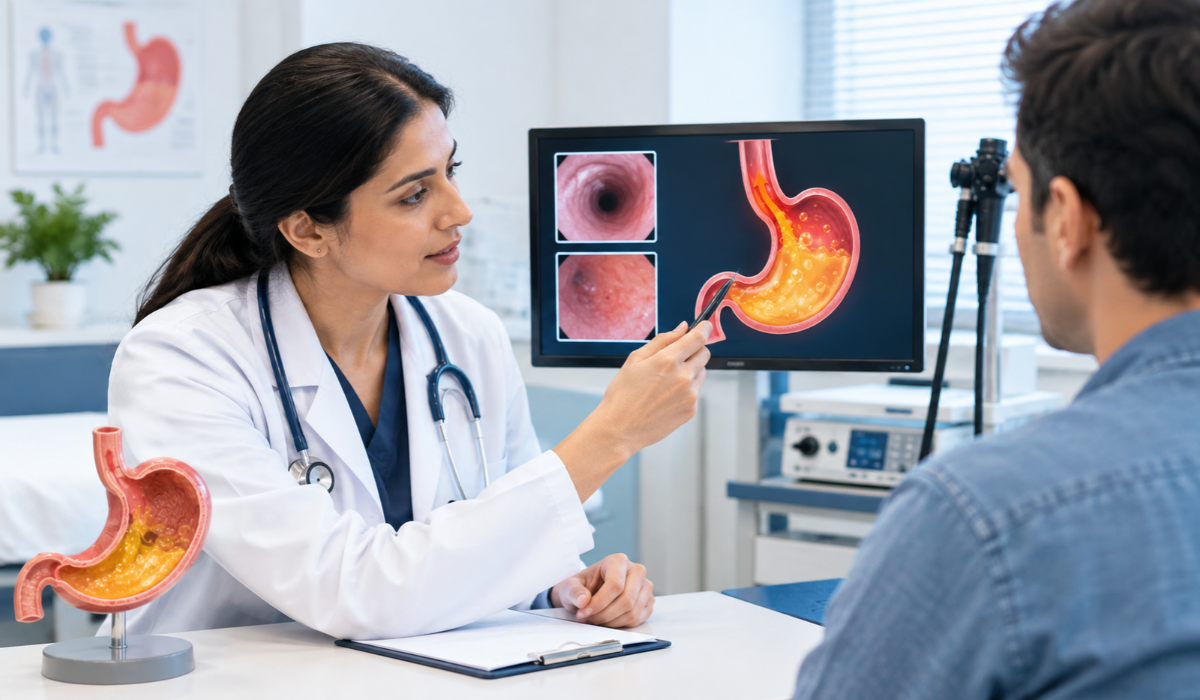
GERD is typically diagnosed by your symptoms and how you respond to treatment. If symptoms are severe, don’t improve, or include warning signs (trouble swallowing, unexplained weight loss, vomiting blood, or black stools), further tests may be recommended:
- Upper endoscopy: a thin camera examines the esophagus and stomach
- Ambulatory pH monitoring: measures acid exposure in the esophagus over 24 hours or more
- Barium swallow X-ray: shows structural problems such as strictures or hernias
- Esophageal manometry: determines muscle strength and coordination in the esophagus
Treatment Options
Lifestyle and Dietary Changes
These are the foundation of GERD management and often bring significant relief:
- Eat smaller, more frequent meals
- Avoid lying down for at least 2 to 3 hours after eating
- Elevate the top of your bed by 6 to 8 inches
- Identify and limit your personal trigger foods
- Lose excess weight if you are overweight
- Quit smoking and limit alcohol
- Wear loose-fitting clothing around the abdomen
Over-the-Counter Medications
- Antacids (such as calcium carbonate) neutralize acid quickly for occasional symptoms
- H2 blockers (e.g., famotidine) inhibit acid formation
- Proton pump inhibitors (PPIs) (e.g., omeprazole) provide more effective and sustained inhibition of acid formation
Prescription Medications
For frequent or severe symptoms, a doctor may prescribe stronger PPIs or H2 blockers, usually for a limited period. Long-term PPI use should be reviewed periodically with your physician.
Surgery and Procedures
When medication fails or isn’t suitable, options include fundoplication (wrapping the top of the stomach around the LES to strengthen it), magnetic sphincter augmentation, and other endoscopic procedures. Such treatments are usually meant for very specific individuals.
Access to Care: The IAMA Charitable Foundation Clinic
Effective management of GERD relies heavily on appropriate assessment, yet cost may be an obstacle in achieving that goal. IAMACF Community Health Clinic in Chicago, Illinois, is a completely free medical clinic for uninsured or underserved populations. Since 1994, this clinic has been offering this kind of assistance.
IAMACF offers primary health services for routine symptoms and chronic diseases, laboratory studies, and even an on-site pharmacy. All that assistance is offered by volunteer physicians and medical students in a culturally sensitive environment. This walk-in clinic can be a good starting point for those people experiencing chronic heartburn who are looking for advice on what to do next. One can find more information about services, working schedule, and volunteering/donating options at iamacf website or call at (773) 275-8630.
Final Thoughts
GERD is common, manageable, and treatable. Recognizing the symptoms early, avoiding your triggers, and working with a healthcare provider can prevent complications and greatly improve your quality of life. If you’ve been living with frequent heartburn, don’t ignore it. Get evaluated and start a plan that works for you.
FAQ’s
Is GERD the same as acid reflux?
Not exactly. Acid reflux is the backflow of acid from the stomach, which occurs in almost all individuals at one time or another. The other condition is called GERD, which is a chronic condition.
Can GERD go away on its own?
Mild cases linked to diet or pregnancy may improve once the trigger is removed. Chronic GERD usually needs ongoing lifestyle changes and sometimes medication.
What foods should I avoid with GERD?
Common triggers include fried and fatty foods, spicy dishes, citrus, tomato-based foods, chocolate, caffeine, mint, and carbonated or alcoholic drinks. There are many triggers; thus, keeping a food journal might be useful.
When should I see a doctor?
See a doctor if you have heartburn more than twice a week, symptoms that persist despite over-the-counter medicine, trouble swallowing, unexplained weight loss, or vomiting. Seek emergency help for chest pain with other heart attack signs.
Is it safe to take antacids or PPIs every day?
Occasional antacids are generally safe. Daily PPIs can be appropriate under medical supervision, but long-term use should be reviewed by your doctor.
Can stress cause GERD?
Stress doesn’t directly cause GERD, but it can worsen symptoms and make you more aware of discomfort, or lead to habits that trigger reflux.
Can I get help for GERD if I don’t have health insurance?
Yes. Free clinics such as IAMACF offer primary care, labs, and medications for uninsured patients. Contact the clinic directly to confirm current services and hours.
Does GERD lead to cancer?
Most people with GERD never develop cancer. Long-standing, untreated GERD can cause Barrett’s esophagus, which slightly raises the risk, so regular follow-up matters.