Cholesterol is a fat-like substance that your liver produces and that you also get from certain foods. Your body needs some of it to build cells, make hormones, and digest fats. The trouble starts when LDL (“bad”) cholesterol runs high. Excess LDL can settle in artery walls, form plaque, and narrow the vessels that carry blood to your heart and brain. Over the years, this raises the risk of heart attack and stroke.
Healthy eating and exercise are the first line of defense, but they don’t always lower cholesterol enough. When they fall short, doctors turn to high cholesterol medication. This guide explains what these drugs are, the main types, the benefits they offer, and the side effects to be aware of.
What Is High Cholesterol Medication?
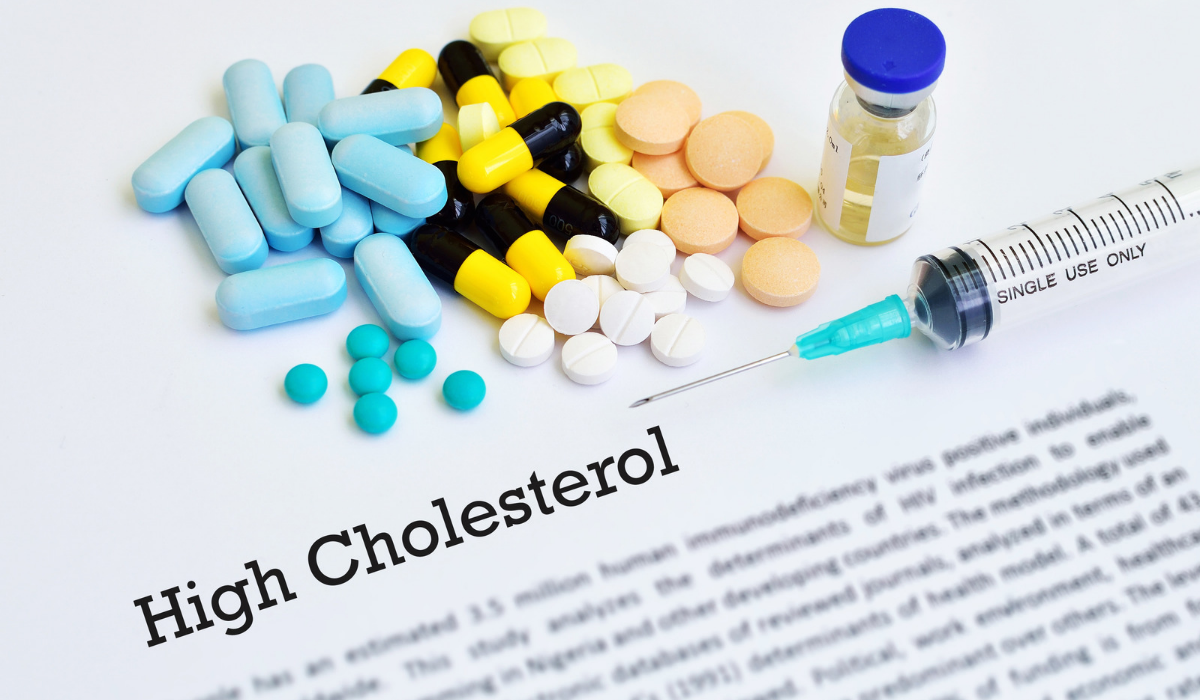
High cholesterol medication is any prescription drug designed to lower harmful blood fats, mainly LDL cholesterol and triglycerides, and in some cases to raise protective HDL cholesterol. These drugs work through different mechanisms. Some reduce how much cholesterol your liver makes, some limit how much your gut absorbs, and others help your liver remove LDL from the blood more efficiently.
Doctors decide on treatment by looking at your overall cardiovascular risk, not just a single number. Age, blood pressure, diabetes, smoking, family history, and any prior heart event all matter. People most likely to benefit include those with existing heart disease, very high LDL (around 190 mg/dL or more), diabetes, inherited cholesterol disorders, or a high estimated 10-year risk.
Types of High Cholesterol Medication
Statins
Definition: Statins are the most widely prescribed class of high cholesterol medication. They block an enzyme (HMG-CoA reductase) that the liver needs to make cholesterol. As production drops, the liver pulls more LDL out of the bloodstream.
Examples: Atorvastatin, rosuvastatin, simvastatin, pravastatin, and lovastatin.
Typical effect: LDL reductions of roughly 20% to 55%, depending on the drug and dose.
Cholesterol Absorption Inhibitors
Definition: These drugs reduce the amount of dietary and bile cholesterol absorbed through the small intestine.
Example: Ezetimibe.
Typical effect: An added 15% to 20% LDL reduction. It’s often combined with a statin or used alone when statins aren’t tolerated.
PCSK9 Inhibitors
Definition: PCSK9 is a protein that causes the liver to destroy LDL receptors. Blocking it leaves more receptors available to clear LDL from the blood. These are injectable medicines.
Examples: Alirocumab and evolocumab, along with inclisiran, which is given only twice a year after the initial doses.
Typical effect: LDL reductions of 50% to 60% or more, which is especially helpful for inherited high cholesterol.
Bempedoic Acid
Definition: An oral drug that inhibits a liver enzyme earlier in the same cholesterol-making pathway targeted by statins. It is activated mainly in the liver rather than muscle tissue.
Typical effect: Moderate LDL lowering, and it can suit some people who develop muscle symptoms on statins.
Bile Acid Sequestrants
Definition: These bind bile acids in the intestine so they’re passed out of the body. The liver then uses more cholesterol to make new bile acids, lowering blood LDL.
Examples: Cholestyramine, colestipol, and colesevelam.
Typical effect: A modest LDL decrease. They can be added to other treatments.
Fibrates
Definition: Fibrates activate a receptor that speeds the breakdown of triglyceride-rich particles.
Examples: Fenofibrate and gemfibrozil.
Typical effect: Strong triglyceride reduction with a smaller effect on LDL.
Prescription Omega-3 Fatty Acids
Definition: Purified fish-oil-derived medicines used in high doses to lower very high triglycerides.
Examples: Icosapent ethyl and omega-3 acid ethyl esters.
Niacin
Definition: A form of vitamin B3 that, at prescription doses, lowers triglycerides and LDL while raising HDL. It’s used less often today because of side effects and limited outcome evidence.
Benefits of High Cholesterol Medication
- Lower risk of heart attack and stroke. The best-documented benefit, especially for statins, is fewer cardiovascular events. Large trials involving many thousands of people show meaningful reductions in heart attacks, strokes, and related deaths.
- Slowing or stabilizing plaque. By lowering LDL, these medicines can slow the growth of artery plaque and make existing plaque less likely to rupture, which is what often triggers a clot.
- Protection for high-risk groups. People with diabetes, chronic kidney disease, or a prior heart event gain particularly large absolute benefits.
- Treatment of inherited conditions. For familial hypercholesterolemia, lifestyle changes alone almost never bring LDL to a safe range. High cholesterol medication is essential from an early age in many cases.
- Flexible, personalized options. With so many drug classes, doctors can combine treatments or switch drugs to match your goals, tolerance, and budget.
- Affordability and accessibility. Many statins and ezetimibe are available as inexpensive generics, which makes long-term treatment realistic for many people.
Side Effects of High Cholesterol Medication
Most people tolerate these drugs well, but each class has its own possible side effects.
Statins
- Muscle aches, tenderness, or weakness (the most common complaint)
- Headache, nausea, or digestive upset
- Mild rises in liver enzymes, usually without symptoms
- A small increase in blood sugar, relevant for people at risk of diabetes
- Rarely, severe muscle breakdown (rhabdomyolysis), which requires urgent care
Ezetimibe
- Diarrhea, stomach discomfort, or fatigue
PCSK9 inhibitors
- Redness or itching at the injection site, cold-like symptoms, and rarely allergic reactions
Bempedoic acid
- Raised uric acid, which may trigger gout, and a small risk of tendon problems
Bile acid sequestrants
- Bloating, gas, and constipation, and they can interfere with absorption of other medicines
Fibrates
- Stomach upset, and a higher chance of muscle problems when combined with a statin
Niacin
- Flushing, itching, and sometimes elevated blood sugar or liver enzymes
When to Call Your Doctor
Seek medical advice promptly if you notice severe or unexplained muscle pain, dark urine, yellowing of the skin or eyes, extreme tiredness, or signs of an allergic reaction. Don’t stop taking your high cholesterol medication on your own, because LDL typically climbs back up once treatment ends. In many cases, adjusting the dose or switching drugs solves the problem.
Tips for Using Medication Safely and Effectively
- Take your medicine at the same time every day, following your doctor’s or pharmacist’s directions.
- Ask about interactions, including grapefruit juice with certain statins and other prescriptions you take.
- Schedule follow-up blood tests, usually a few weeks after starting or changing treatment.
- Keep up the lifestyle basics: more fiber, vegetables, and whole grains; less saturated fat and processed food; regular activity; a healthy weight; and no tobacco.
- Tell your doctor if you’re pregnant, planning pregnancy, or breastfeeding, since some medicines aren’t recommended.
Affordable Care Options: The IAMACF Free Clinic
Cost keeps many people from getting screened or filling prescriptions. Community clinics help close that gap. The Indian American Medical Association Charitable Foundation (IAMACF) Community Health Clinic, at 2645 W. Peterson Avenue in Chicago, has served uninsured and underserved residents since 1994 through volunteer doctors and medical students.
The clinic reports that in 2024 it cared for 1,287 patients, ran 671 lab tests, and dispensed 832 prescriptions. Its offerings include primary care, chronic condition management, lab testing, an on-site pharmacy, specialty clinics, diabetic education, and EKGs. Among its 2026 goals are expanding its free generic medication list and adding more on-the-spot diagnostic testing, both useful for anyone who needs ongoing cholesterol monitoring.
To ask about services or hours, call (773) 275-8630 or visit iamacf Availability can change, so confirm before you go.
Conclusion
High cholesterol medication is one of the most effective tools available for protecting your heart and blood vessels. Statins remain the first choice for most people, while ezetimibe, PCSK9 inhibitors, bempedoic acid, bile acid sequestrants, and other drugs give doctors ways to tailor treatment to your needs. The benefits, mainly fewer heart attacks and strokes, generally outweigh the risks, and side effects can usually be managed with your care team’s help.
If you don’t know your cholesterol numbers, ask for a lipid panel and discuss your options. Medication works best alongside healthy daily habits, so treat the two as partners rather than substitutes.
Frequently Asked Questions
What is the most commonly prescribed high cholesterol medication?
Statins are the most commonly prescribed high cholesterol medication. They reduce the liver’s cholesterol production and help clear LDL from the blood. Atorvastatin and rosuvastatin are two widely used examples.
How long does it take for cholesterol medication to work?
Cholesterol levels often begin improving within a few weeks. Doctors usually repeat a lipid test about 4 to 12 weeks after you start or change a dose to see how well it’s working.
Can I stop taking my medication once my cholesterol is normal?
Usually not. Your numbers are healthy because the medicine is working, and LDL typically rises again after stopping. Talk to your doctor before making any change.
Are statins safe to take for a long time?
For most people, yes. Statins have been studied for decades, and regular checkups help catch problems early. Your doctor weighs your personal risks and benefits, so report any new symptoms such as persistent muscle pain.
What can I do if my medication causes side effects?
Don’t stop on your own. Your doctor may lower the dose, switch to a different statin, or add or substitute another option such as ezetimibe or bempedoic acid. Many side effects improve with a simple adjustment.
Can diet and exercise replace high cholesterol medication?
For some people with mildly raised levels, lifestyle changes alone may be enough. If you have very high LDL, an inherited cholesterol disorder, diabetes, or existing heart disease, medication is usually needed, but healthy habits still make it work better.