Most people visit a doctor only when something feels wrong: a persistent cough, unusual tiredness, or a pain that won’t go away. But many serious conditions develop quietly, with no symptoms for months or even years. By the time warning signs appear, the condition may already have caused damage. Regular blood testing is one of the simplest and most effective ways to catch problems early, track your health over time, and make informed decisions before a small issue becomes a major one.
What Blood Tests Actually Reveal
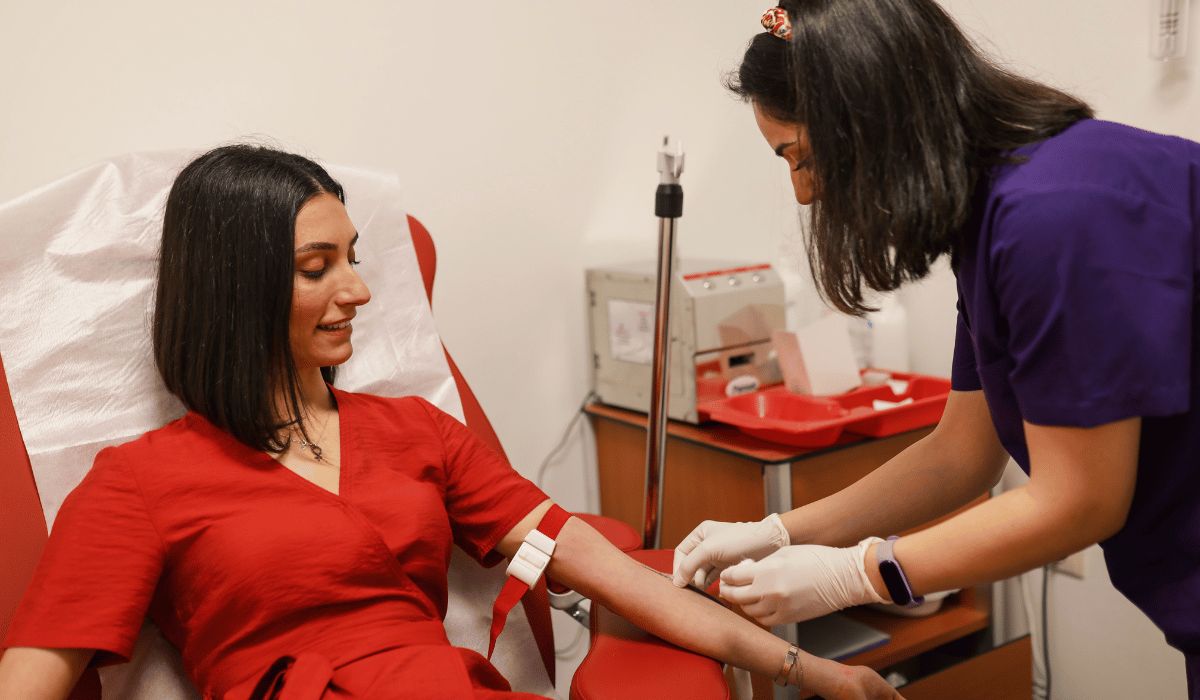
Blood circulates through every organ in your body, which makes it a useful window into your overall health. A small sample can show how well your organs are working, whether your nutrient levels are adequate, and whether your body is fighting an infection or inflammation.
Some of the most common tests include:
- Complete blood count (CBC): Measures red cells, white cells, and platelets. It can point to anemia, infections, clotting problems, and certain blood disorders.
- Lipid profile: Measures cholesterol and triglycerides, which are key indicators of heart and blood vessel health.
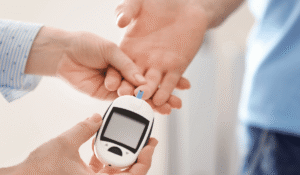
- Blood glucose and HbA1c: Show current blood sugar and average levels over the past two to three months, helping identify prediabetes and diabetes.
- Liver and kidney function tests: Reveal how well these organs filter waste and process substances.
- Thyroid panel: Checks hormone levels that influence metabolism, energy, weight, and mood.
- Vitamin and mineral levels: Commonly vitamin D, vitamin B12, iron, and calcium, since deficiencies are widespread and often go unnoticed.
Together, these results create a detailed snapshot of your internal health that no physical examination alone can provide.
Catching Silent Conditions Early
Many of the most common long-term health problems are “silent” in their early stages. High cholesterol rarely causes symptoms until it contributes to a heart or circulation problem. Type 2 diabetes can develop slowly, with blood sugar creeping upward for years before anyone notices. Early kidney disease often causes no discomfort at all. Anemia may be mistaken for ordinary tiredness.
A routine blood test can flag these changes while they are still manageable. Prediabetes, for example, can often be addressed through diet, physical activity, and weight management before it progresses. Early-stage high cholesterol can be improved through lifestyle changes and, when needed, medication. Catching these conditions sooner generally means simpler treatment, lower costs, and better outcomes.
Tracking Trends, Not Just Single Results
A single test shows where you stand today. A series of tests shows where you are heading. This is one of the strongest arguments for regular testing.
Imagine your fasting blood sugar is within the normal range, but over three years it has risen steadily toward the upper limit. Any single result might look fine, yet the trend tells a different story. Your doctor can spot this pattern and suggest changes before you cross into an unhealthy range.
Having your own baseline also matters. “Normal” ranges are based on population averages, but your personal healthy values may differ slightly. Comparing new results against your own history gives a more accurate picture than comparing them only to a generic reference range.
Supporting Healthy Lifestyle Decisions
Blood tests turn vague health goals into measurable ones. If you have changed your diet, started exercising, or begun taking supplements, follow-up testing shows whether those efforts are working. Seeing cholesterol drop or vitamin levels recover can be a powerful motivator to keep going.
They can also guard against guesswork. Many people take supplements without knowing whether they need them. A test can confirm a deficiency, so you supplement what is actually lacking, and it can show when levels are already adequate, saving money and avoiding unnecessary or excessive intake.
Understanding Your Personal Risk
Family history, age, lifestyle, and existing health conditions all influence which problems you are more likely to face. Someone with a family history of diabetes or heart disease, for instance, may benefit from earlier and more frequent screening. People with demanding jobs, irregular eating habits, limited physical activity, or high stress may also have a higher risk of developing metabolic problems.
Blood testing helps translate these general risk factors into concrete data. Rather than wondering whether you might be at risk, you can see where your numbers stand and work with your doctor on a plan suited to you.
Different Life Stages, Different Needs
The value of blood testing shifts through life:
- Young adults: A baseline check helps establish normal values and may uncover deficiencies, such as low iron or vitamin D, that affect energy and concentration.
- Adults in middle age: Risks for heart disease, diabetes, and thyroid problems rise, making regular screening more important.
- Older adults: Monitoring kidney function, bone health markers, and nutrient levels helps maintain independence and quality of life.
- Women planning pregnancy or during pregnancy: Blood tests help monitor iron, blood sugar, thyroid function, and other factors important for both mother and baby.
How often you should be tested depends on your age, health status, and risk factors, so it is best to ask your doctor for a schedule that fits your situation.
Easing Common Concerns
Some people avoid blood tests because of a fear of needles, worry about bad news, or the belief that feeling healthy means being healthy. These concerns are understandable, but the procedure is quick, usually taking only a few minutes. Learning about a problem early is almost always better than discovering it late, because early detection gives you more options.
Cost can also be a barrier, but preventive testing is often far less expensive than treating an advanced condition. Many clinics and diagnostic centers offer affordable health packages, and some workplaces and insurance plans cover routine screening.
Getting the Most From Your Tests
To make blood testing worthwhile, a few habits help:
- Follow preparation instructions: Some tests require fasting for several hours, and eating beforehand can skew results.
- Share your full history: Tell your doctor about medications, supplements, symptoms, and family history.
- Keep your records: Store reports in one place so you and your doctor can compare results over time.
- Don’t interpret results alone: Values slightly outside a reference range are not always cause for concern, and normal-looking values can still matter in context. A healthcare professional can explain what the numbers mean for you.
- Act on the findings: Testing only helps if it leads to follow-up, whether that means lifestyle changes, further tests, or treatment.
IAMACF (Indian American Medical Association Charitable Foundation) runs a free health clinic in Chicago that has served uninsured and underserved patients since 1994. You can help by donating through the website or Zelle, volunteering as a physician, medical student, translator or intern, or simply spreading the word so more people in need can find free care.
Conclusion
Preventive healthcare is about staying ahead of illness rather than reacting to it. Regular blood testing supports that goal by revealing hidden problems, showing trends over time, guiding lifestyle choices, and helping you and your doctor make well-informed decisions. It is a small investment of time that can protect your long-term health.
FAQ’s
How often should I get a blood test?
It depends on your age, health, and risk factors. Many healthy adults benefit from a check-up once a year, while people with conditions like diabetes or high cholesterol may need more frequent testing. Your doctor can suggest the right schedule.
Do I need to fast before a blood test?
Some tests, such as fasting blood sugar and lipid profile, usually require 8 to 12 hours of fasting. Others, like a CBC, typically do not. Always follow the instructions given for your specific tests.
Which blood tests are most important for preventive care?
Common ones include a complete blood count (CBC), lipid profile, blood glucose or HbA1c, liver and kidney function tests, thyroid panel, and vitamin D and B12 levels.
Can a blood test detect problems before symptoms appear?
Yes. Conditions like prediabetes, high cholesterol, early kidney issues, and anemia often have no obvious symptoms in the early stages, but blood tests can reveal them.
Is a blood test painful or risky?
It causes only brief discomfort from the needle prick. Minor bruising or soreness at the site is the most common side effect, and serious complications are rare.
What should I do if my results are outside the normal range?
Don’t panic. Slightly abnormal values are not always a cause for concern. Discuss the results with your doctor, who may recommend lifestyle changes, a repeat test, or further evaluation.