Diabetes mellitus is one of the most common chronic health conditions in the world, affecting hundreds of millions of people across every age group and background. It develops when the body cannot properly regulate the level of sugar (glucose) in the blood. Glucose is the main fuel for our cells, and the hormone insulin, made by the pancreas, acts as the key that lets glucose move from the bloodstream into those cells. When insulin is missing, too little, or not working well, glucose builds up in the blood. Over time, high blood sugar levels can harm the eyes, kidneys, nerves, heart, and blood vessels.
However, with proper treatment and healthy lifestyle choices, diabetes can be effectively managed. With early detection, informed lifestyle choices, and the right medical care, most people live full and active lives. This article explains the main types of diabetes, what causes them, the warning signs to watch for, and how the condition is treated.
Types of Diabetes
- Type 1 diabetes:- is an autoimmune condition. The immune system mistakenly attacks the insulin-producing beta cells in the pancreas, so the body makes little or no insulin. It often appears in childhood or young adulthood, though it can occur at any age. Individuals with type 1 diabetes require daily insulin therapy to maintain healthy blood sugar levels and support normal body function.
- Type 2 diabetes:- is the most common form, accounting for the large majority of cases. Here the body still makes insulin, but the cells respond poorly to it (insulin resistance), and over time the pancreas may not keep up with demand. It usually develops gradually in adults, although it is increasingly seen in younger people.
- Gestational diabetes:- appears during pregnancy, when hormonal changes make the body less responsive to insulin. It often resolves after delivery, but it raises the mother’s later risk of type 2 diabetes and needs careful monitoring to protect both mother and baby.
- Prediabetes:- is a warning stage in which blood sugar is higher than normal but not yet high enough to be called diabetes. Many people have it without knowing, and it is the best moment to act, because lifestyle changes can often prevent or delay full diabetes.
What Causes Diabetes?
The causes differ by type, and in many cases several factors combine.
For type 1 diabetes, the exact trigger is not fully understood. Researchers believe a mix of genetic susceptibility and an environmental trigger, such as a viral infection, sets off the autoimmune response. Type 1 is not caused by diet or lifestyle.
Common risk factors for type 2 diabetes include:
- Excess body weight, especially fat stored around the abdomen
- A sedentary lifestyle and low physical activity
- A family history of diabetes
- Age, particularly over 45, though risk is rising in younger groups
- A diet high in refined carbohydrates, sugary drinks, and processed foods
- High blood pressure and abnormal cholesterol levels
- History of Gestational Diabetes and Polycystic Ovary Syndrome (PCOS)
- Certain ethnic backgrounds, including South Asian populations, who face a higher risk at lower body weights
Other less common causes include pancreatic disease, hormonal disorders, and long-term use of certain medicines such as corticosteroids.
Common Symptoms
Type 1 diabetes symptoms often appear suddenly, while type 2 diabetes symptoms may develop gradually over time. Because type 2 can be silent for years, regular screening matters. Common signs include:
- Frequent urination, especially at night
- Excessive thirst and a constantly dry mouth
- Increased hunger
- Unexplained weight loss (more typical of type 1)
- Persistent tiredness and low energy
- Blurred vision
- Slow-healing cuts, sores, or frequent infections
- A tingling sensation, numbness, or discomfort in the hands and feet.
- Darkened patches of skin around the neck or armpits
Seek urgent care if someone with diabetes has nausea, vomiting, fruity-smelling breath, rapid breathing, severe drowsiness, or confusion. These can signal diabetic ketoacidosis, a medical emergency.
How Diabetes Is Diagnosed
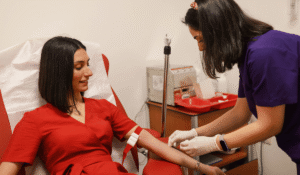
Diagnosis relies on simple blood tests. Commonly used criteria include:
- Fasting plasma glucose: 126 mg/dL or higher
- HbA1c (average blood sugar over about three months): 6.5% or higher
- Oral glucose tolerance test: 200 mg/dL or higher two hours after a glucose drink
- Random blood glucose test: A reading of 200 mg/dL or above, accompanied by typical diabetes symptoms.
An HbA1c between 5.7% and 6.4% generally indicates prediabetes. A doctor will usually repeat an abnormal test to confirm the result.
Complications of Poorly Controlled Diabetes
Persistently high blood sugar harms small and large blood vessels throughout the body. Potential complications include:
- Heart disease and stroke
- Diabetic retinopathy, which can lead to vision loss
- Diabetic nephropathy, or kidney damage
- Neuropathy, causing nerve pain and loss of sensation, especially in the feet
- Foot complications, such as ulcers and infections, which may lead to amputation if left untreated.
- Dental and skin problems
These complications are largely preventable or can be delayed through good glucose, blood pressure, and cholesterol control, plus regular check-ups.
Treatment and Management
There is no single treatment for everyone. Care is personalized and usually combines the following.
1. Healthy eating
There is no one “diabetes diet.” Most people benefit from balanced meals rich in vegetables, whole grains, legumes, lean proteins, and healthy fats, while limiting sugary drinks, sweets, and refined flour. Portion control and consistent meal timing help keep glucose steady. A registered dietitian can create a personalized meal plan based on your dietary preferences, cultural needs, and budget.
2. Regular physical activity
Regular physical activity helps the body use insulin more effectively. Adults are generally advised to aim for about 150 minutes of moderate activity per week, such as brisk walking, cycling, or swimming, along with some strength training. Even short walks after meals can lower blood sugar.
3. Medication
- Type 1 diabetes requires lifelong insulin, given by injections, pens, or an insulin pump.
- Type 2 diabetes may be managed first with lifestyle changes, then with oral medicines such as metformin, and sometimes newer injectable medicines or insulin as the condition progresses. Your doctor chooses treatment based on your health profile, other conditions, and goals.
4. Blood sugar monitoring
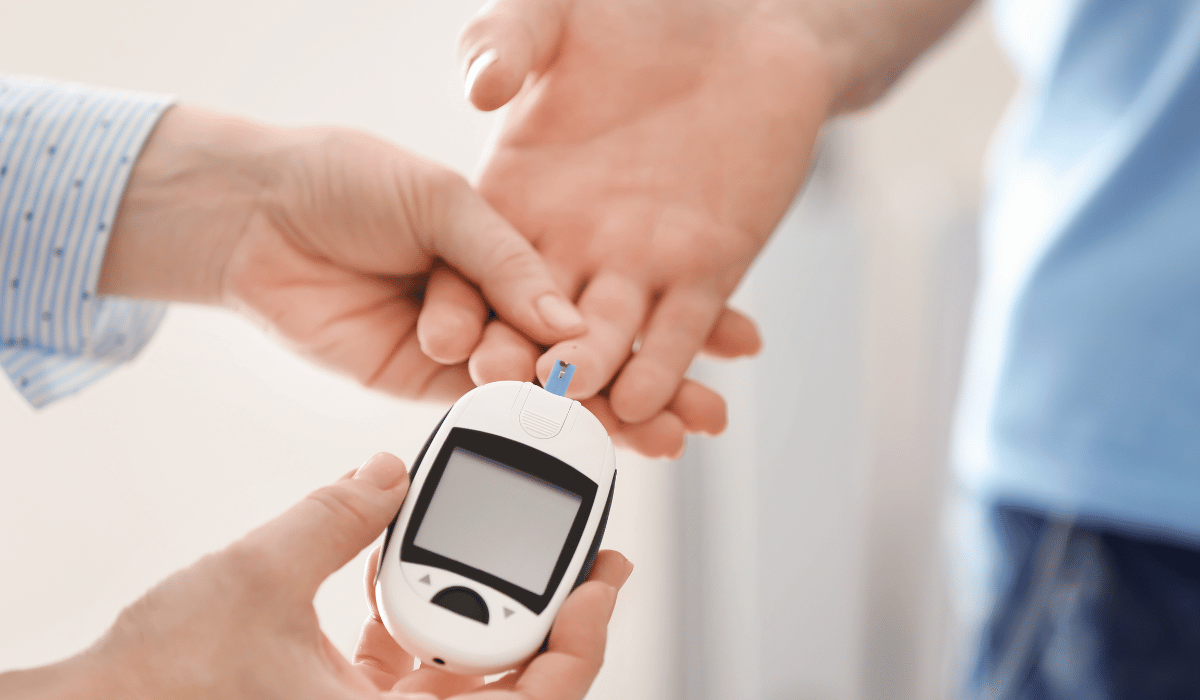
Home glucose meters and continuous glucose monitors (CGMs) show how food, activity, stress, and medicine affect your levels. Regular HbA1c tests, typically every three to six months, show the longer-term picture. Many adults aim for an HbA1c near 7%, but the right target is individual, so discuss yours with your doctor.
5. Routine screenings
Yearly eye exams, kidney function tests, foot checks, and regular blood pressure and cholesterol monitoring help catch problems early.
6. Emotional well-being
Living with a chronic condition can be stressful, and “diabetes distress” is real. Sleep, stress management, and support from family, peers, and counselors all play a role in long-term success.
Prevention: What You Can Do Today
You cannot prevent type 1 diabetes, but the risk of type 2 can often be reduced. Maintain a healthy weight, stay active, choose whole and minimally processed foods, avoid tobacco, limit alcohol, and get screened if you have risk factors. Studies of people with prediabetes have shown that modest weight loss combined with regular exercise can substantially lower the chance of developing diabetes.
Access to Care and Education
Cost and lack of insurance prevent many people from getting regular diabetes care. Community organizations help fill this gap. For example, the Indian American Medical Association Charitable Foundation (IAMACF), described at iamacf, runs a free medical clinic in Chicago that has served underserved and uninsured communities since 1994. Its services include primary care, lab testing, an on-site pharmacy, and specialty clinics, among them diabetic education, podiatry, and ophthalmology. These matter a great deal for diabetes, since education, foot care, and eye screening are core parts of good management. According to the site, the clinic served 1,287 patients in 2024. It also plans to expand its operating days and its free medication formulary. If you live nearby and need affordable care, visiting the foundation’s website is a good first step.
Conclusion
Diabetes mellitus is a serious but manageable condition. Understanding its types, recognizing early symptoms, getting tested, and committing to healthy daily habits can prevent most complications. Whether you are newly diagnosed, living with diabetes for years, or simply at risk, regular medical follow-up and community support make a real difference.
Frequently Asked Questions
What is the difference between type 1 and type 2 diabetes?
Type 1 is an autoimmune condition in which the body makes little or no insulin, so daily insulin is required. Type 2 involves insulin resistance and gradually reduced insulin production, and it is often manageable at first with lifestyle changes and oral medicines.
Can diabetes be cured?
Type 1 diabetes currently has no cure. Type 2 diabetes cannot be considered cured in the usual sense, but it can go into remission in some people through significant weight loss, healthy eating, and exercise. It still requires ongoing monitoring.
What are the early warning signs of diabetes?
Frequent urination, increased thirst, constant hunger, fatigue, blurred vision, slow-healing wounds, and tingling in the hands or feet are common early signs. Some people have no symptoms, so screening is important.
Can people with diabetes eat sweets or rice?
Yes, in moderation and as part of a balanced meal plan. Portion size, the type of carbohydrate, and timing matter more than avoiding a food completely. Pairing carbohydrates with fiber and protein helps slow the rise in blood sugar.
How often should I check my blood sugar?
It depends on your type of diabetes, your medicines, and your doctor’s advice. People on insulin may check several times a day, while others may check less often. Your doctor will also order an HbA1c test every few months.
Does stress affect blood sugar levels?
Yes. Stress hormones such as cortisol and adrenaline can raise blood glucose. Regular exercise, good sleep, relaxation techniques, and social support can help.
Where can I find free or low-cost diabetes care and education?
Community health centers and charitable clinics often provide these services. For instance, the IAMA Charitable Foundation’s free clinic in Chicago offers diabetic education and other services; you can learn more at iamacf.