
Hearing the word “prediabetes” from your doctor can feel alarming, but it’s also one of the most useful warnings your body can give you. Unlike type 2 diabetes, prediabetes is not a permanent diagnosis. It’s a signal — a chance to change course before blood sugar problems become a lifelong condition. The good news is that for many people, prediabetes can be slowed, stopped, or even reversed through everyday lifestyle changes, without needing medication right away.
At IAMA Charitable Foundation Community Health Clinic (IAMACF), a free clinic serving uninsured and underinsured residents of Chicago, prediabetes is one of the most common concerns seen among patients coming in for primary care visits. This article breaks down what prediabetes really means, how it’s diagnosed, and what natural steps can genuinely help reverse it before it progresses into type 2 diabetes.
What Is Prediabetes?
Prediabetes means your blood sugar levels are higher than normal, but not yet high enough to be classified as type 2 diabetes. It develops when the body starts having trouble using insulin effectively, a condition known as insulin resistance. Over time, if left unaddressed, prediabetes often progresses into full type 2 diabetes, along with a higher risk of heart disease and stroke.
The tricky part about prediabetes is that it rarely causes obvious symptoms. Many people walk around with elevated blood sugar for years without knowing it, which is exactly why routine screening matters so much, especially for people with risk factors like excess weight, a sedentary lifestyle, or a family history of diabetes.
Who Is Most at Risk?
Certain factors raise the likelihood of developing prediabetes, including:
- Being overweight or carrying extra weight around the abdomen
- A family history of type 2 diabetes
- Being 45 years of age or older
- Low physical activity levels
- A history of gestational diabetes during pregnancy
- High blood pressure or abnormal cholesterol levels
- Belonging to certain ethnic groups with higher diabetes prevalence, including Black, Hispanic, Native American, and South Asian communities
If any of these apply to you, it’s worth talking to a primary care provider about getting screened, even if you feel completely fine.
How Is Prediabetes Diagnosed?
Prediabetes is confirmed through blood testing, not guesswork. A few key labs help providers see exactly where your blood sugar stands:
- Hemoglobin A1C – shows your average blood sugar over the past two to three months. A result between 5.7% and 6.4% typically indicates prediabetes.
- Fasting blood glucose testing – measures blood sugar after not eating for several hours.
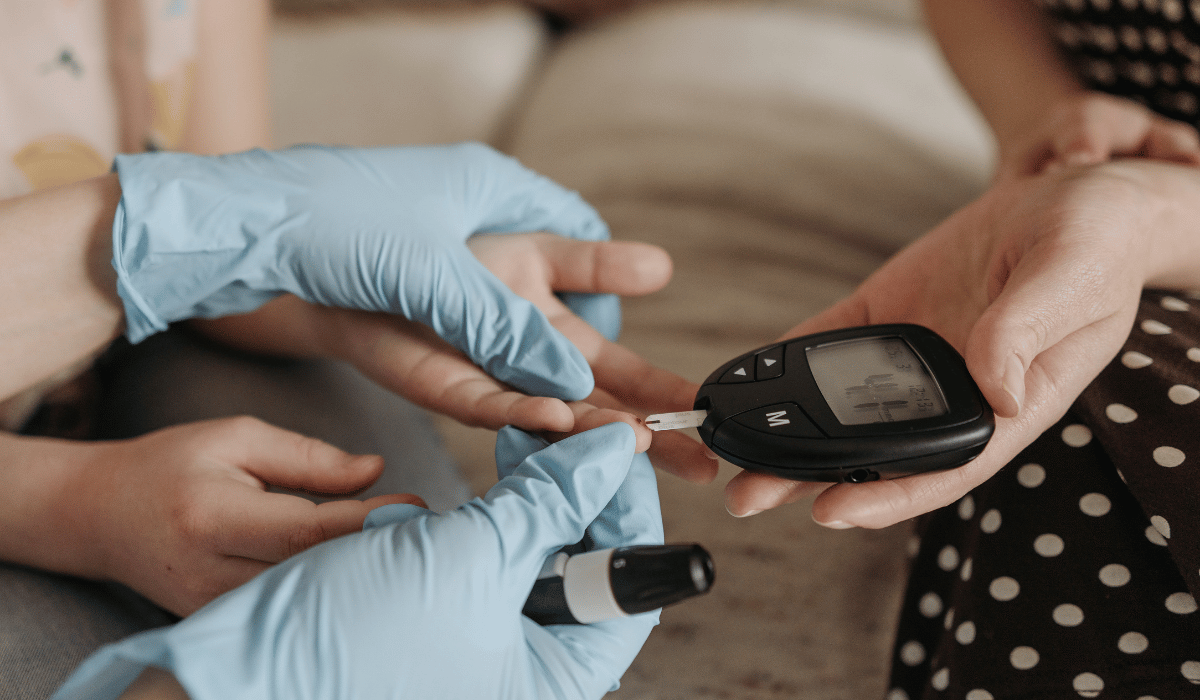
- Finger-stick glucose testing—a quick, on-site check that gives an immediate snapshot of blood sugar levels.
IAMACF’s lab services include hemoglobin A1C testing, a basic metabolic profile, and on-site finger stick glucose testing, giving patients a clear, affordable path to understanding where their blood sugar stands without the high cost that often comes with lab work elsewhere.
Can Prediabetes Be Reversed Naturally?
For a large number of people, yes. Research consistently shows that modest, sustained lifestyle changes can bring blood sugar back into a normal range and meaningfully lower the risk of ever developing type 2 diabetes. The keyword here is “sustained”—small, consistent habits tend to outperform short bursts of extreme effort.
Rethink Your Plate, Not Just Your Diet
You don’t need a rigid or expensive diet plan to improve blood sugar. What matters most is the overall pattern of what you eat:
- Choose whole grains over refined carbohydrates like white bread and white rice
- Fill half your plate with non-starchy vegetables such as leafy greens, broccoli, and peppers
- Favor lean proteins like chicken, fish, beans, and eggs
- Limit sugary drinks, packaged snacks, and fast food
- Pay attention to portion sizes rather than eliminating entire food groups
Small swaps, like trading soda for water or white rice for brown rice, add up significantly over months.
Move Your Body Regularly

Physical activity helps muscles use glucose more efficiently, which directly lowers blood sugar. You don’t need a gym membership to see benefits:
- Aim for at least 150 minutes of moderate activity per week, such as brisk walking
- Break it into manageable chunks, like 20–30 minutes a day
- Add light strength training twice a week, since muscle tissue improves insulin sensitivity
- Simple habits, like taking the stairs or walking after meals, help too
Even a 10-minute walk after eating can measurably lower post-meal blood sugar spikes.
Lose a Modest Amount of Weight
Studies on diabetes prevention have found that losing just 5% to 7% of body weight can significantly reduce the risk of progressing from prediabetes to type 2 diabetes. For someone weighing 200 pounds, that’s roughly 10 to 14 pounds — a realistic, achievable goal rather than a drastic transformation.
Prioritize Sleep
Poor sleep affects the hormones that regulate hunger and blood sugar. Adults who consistently sleep less than six hours a night tend to have higher insulin resistance. Aiming for seven to eight hours of quality sleep supports healthier blood sugar levels.
Manage Stress
Chronic stress raises cortisol, a hormone that can push blood sugar higher over time. Simple stress-reduction habits — deep breathing, short walks, prayer or meditation, or talking with someone you trust—can support both mental well-being and metabolic health.
When Does Medication Become Necessary?
Lifestyle changes are the first line of defense, but for some patients, especially those with additional risk factors or an A1C closer to the diabetes threshold, a healthcare provider may recommend medication such as metformin to help manage blood sugar while lifestyle changes take effect. This isn’t a sign of failure — it’s simply another tool to protect long-term health.
For patients who need it, the IAMACF medications program includes anti-diabetic medications such as Metformin and Glipizide, making treatment accessible for patients who might otherwise be unable to afford it.
How IAMACF Supports Prediabetes Reversal
Reversing prediabetes is rarely something people can do alone, especially without reliable access to healthcare. IAMACF offers several resources that work together to support patients through this process:
- Primary care visits to assess overall health, risk factors, and personalized next steps
- On-site lab testing, including hemoglobin A1C and finger stick glucose checks, to track progress over time
- Diabetes educational classes through the specialty clinics program, covering nutrition, exercise, and lifestyle strategies
- Affordable medications, when lifestyle changes alone aren’t enough
- Healthy lifestyle counseling, helping patients build realistic, sustainable habits rather than short-term fixes
Because IAMACF is a free clinic, cost is never a barrier to getting screened, monitored, or supported through this process.
Building a Realistic, Sustainable Plan
Reversing prediabetes isn’t about perfection. It’s about consistency. A patient who walks most days, eats a bit more mindfully, sleeps better, and checks in regularly with a provider is often in a far stronger position than someone chasing a perfect, unsustainable routine for two weeks before giving up.
If you’ve recently been told your blood sugar is borderline high, take it as an opportunity rather than a setback. With the right support, information, and a few consistent habits, many people successfully bring their blood sugar back into a healthy range and avoid a type 2 diabetes diagnosis altogether.
Frequently Asked Questions
How long does it take to reverse prediabetes?
Most people see measurable improvement in blood sugar within three to six months of consistent lifestyle changes, though results vary by individual. Regular A1C testing helps track progress. Sustainable habits like better eating, regular movement, and weight management matter more than speed, so steady, ongoing effort works better than rushing results.
Can prediabetes go away completely on its own?
Prediabetes rarely resolves without action. While it isn’t guaranteed to progress into type 2 diabetes, it typically won’t reverse itself without lifestyle changes such as improved diet, regular exercise, and modest weight loss. Left unmanaged, it often advances gradually, making early screening and intervention especially important.
What foods should I avoid with prediabetes?
Limit sugary drinks, refined carbohydrates like white bread and pastries, fried foods, and heavily processed snacks. These foods cause rapid blood sugar spikes. Instead, focus on whole grains, vegetables, lean proteins, and healthy fats, which digest more slowly and help keep blood sugar levels steadier throughout the day.
Is exercise really enough to lower blood sugar?
Exercise alone can meaningfully improve insulin sensitivity, especially when combined with dietary changes. Even a short walk after meals helps muscles absorb glucose more efficiently. For best results, combine at least 150 minutes of weekly activity with balanced eating rather than relying on exercise as a standalone solution.
Do I need medication if I have prediabetes?
Not always. Many people manage prediabetes successfully through diet, exercise, and weight loss alone. However, providers may recommend medication like metformin for patients with additional risk factors or higher A1C levels. A primary care visit helps determine which approach fits your specific health situation.
How often should I get tested if I have prediabetes?
Most providers recommend retesting blood sugar, typically through an A1C or fasting glucose test, every three to six months after a prediabetes diagnosis. This allows your care team to track whether lifestyle changes are working and adjust your plan accordingly before the condition progresses further.