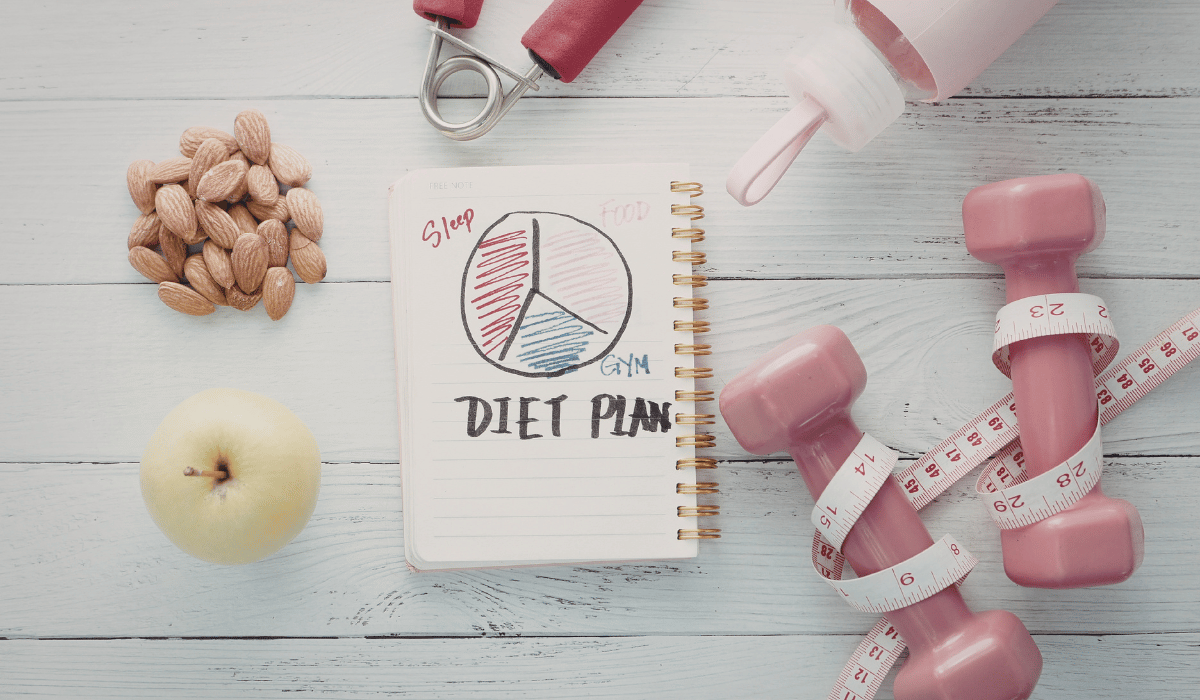
Living a healthy life is not about strict dieting or intense workouts every day. Real well-being comes from building a balanced routine that includes the right mix of exercise & nutrition. When both work together, they help your body function better, improve your energy, and support long-term health.
In today’s busy lifestyle, many people ignore their health until problems arise. Irregular eating habits, lack of physical activity, and stress can slowly affect your body. However, with a simple and consistent plan, you can take control of your health and see real changes over time.
Why Exercise & Nutrition Work Best Together
Exercise and nutrition are two complementary aspects of a healthy lifestyle. One supports the other, and without balance, results can be limited. When you exercise, your body uses energy and needs proper nutrients to recover. At the same time, the food you eat fuels your workouts and daily activities.
A healthy routine that combines both helps improve your metabolism, strengthens your muscles, and keeps your organs functioning properly. It also supports mental health by reducing stress and improving mood. Instead of focusing on quick results, the goal should be long-term improvement through consistent habits.
Key Benefits of a Balanced Lifestyle
A proper exercise and nutrition plan can bring noticeable changes to your overall well-being. Some of the most important benefits include:
- Better heart health and improved blood circulation
- Increased energy levels throughout the day
- Stronger muscles and bones
- Reduced risk of chronic diseases
- Improved mental clarity and reduced stress
Achieving these benefits takes time and consistent effort. They result from consistent effort and a routine that fits your lifestyle.
Understanding Nutrition in Simple Terms
Nutrition does not mean eating less—it means eating right. Your body needs various nutrients to perform daily functions and stay healthy. A balanced diet includes carbohydrates for energy, proteins for muscle repair, and healthy fats for overall body support.
Instead of following strict diets, focus on eating natural and fresh foods. Fruits, vegetables, whole grains, and protein-rich foods should be part of your daily meals. Drinking enough water is equally important, as it helps maintain body balance and supports digestion.
Many people make the mistake of skipping meals or relying heavily on processed foods. Over time, such habits can lead to health issues such as fatigue, weight gain, and digestive problems. Making small improvements in your diet can create a big difference in your overall health.
The Importance of Regular Exercise
Exercise is essential for keeping your body active and strong. It not only helps with weight management but also improves heart health and flexibility. The beneficial thing is that exercise does not always mean going to a gym. Simple activities like walking, cycling, or even household work can contribute to your daily physical activity.
Your body needs movement to stay healthy. When you stay active, your muscles become stronger, and your body becomes more efficient in using energy. Exercise also plays a key role in reducing stress and improving sleep quality.
To maintain a healthy routine, you can include the following:
- Light activities like walking or stretching for daily movement
- Moderate exercises such as jogging or cycling for heart health
- Strength-based exercises to build muscle and improve metabolism
Even 30 minutes of daily activity can make a significant difference over time.
Building a Sustainable Exercise & Nutrition Plan

Creating the right plan does not have to be complicated. It should be simple, realistic, and easy to follow. The first step is to understand your goals. Whether you want to lose weight, gain strength, or simply stay healthy, your plan should match your needs.
A good approach is to start small and gradually build your routine. Instead of making sudden changes, focus on improving one habit at a time. For example, you can begin by adding more vegetables to your meals or taking short daily walks. Over time, these small changes become part of your lifestyle.
Consistency is the most important factor. Many people start with motivation, but lose track after a few weeks. The key is to stay regular and not expect instant results. Health transformation is a gradual process.
Common Mistakes That Can Slow Your Progress
While trying to improve their health, people often make mistakes that affect their results. One of the most common issues is following extreme diets or workout routines that are challenging to maintain. These approaches may show quick results but are not sustainable in the long run.
Another mistake is ignoring rest and recovery. Your body needs time to heal and rebuild after exercise. Without proper rest, you may feel exhausted and lose motivation.
Some common mistakes to avoid include:
- Skipping meals or not eating enough
- Over-exercising without proper recovery
- Not drinking enough water
- Depending too much on processed or fast food
Avoiding these habits can help you stay on the right track and achieve better results.
The Role of Healthcare Support in Your Journey
While lifestyle changes are important, professional guidance can make your journey easier and more effective. Healthcare organizations like IAMACF Charitable Clinic play an important role in helping individuals improve their health through proper care and guidance.
IAMACF focuses on providing primary healthcare services to underserved communities. Many of the health conditions they treat, such as diabetes, high blood pressure, and cholesterol issues, are closely related to poor diet and lack of exercise. By addressing these conditions early, individuals can prevent serious complications.
How IAMACF Supports Healthy Living
IAMACF provides services that align well with improving exercise and nutrition habits. Their approach combines medical care with lifestyle guidance, helping patients make better health choices.
Through regular check-ups and monitoring, patients receive proper guidance on managing their conditions. The clinic also provides support for chronic disease management, which often requires a balanced approach to diet and physical activity.
In addition, IAMACF promotes awareness about healthy living and encourages individuals to take preventive steps. Their community-based services ensure that even those with limited resources can access quality healthcare.
Adapting Exercise & Nutrition for Different Life Stages
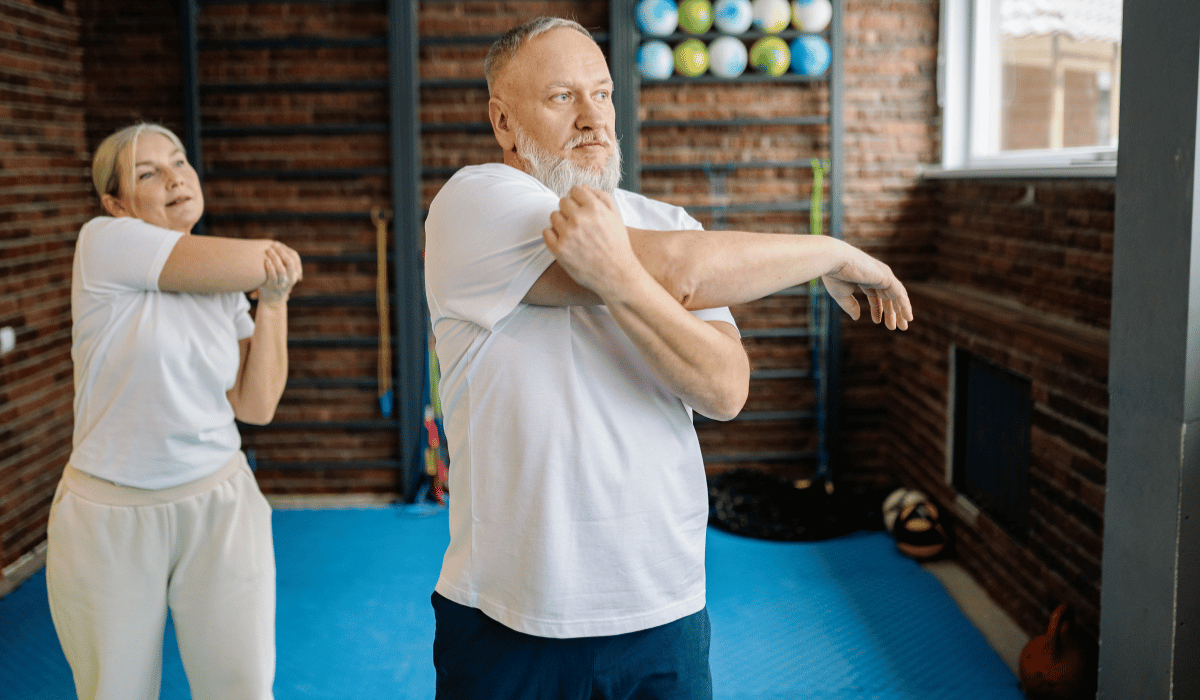
Your body’s needs change as you grow, and your routine should adjust accordingly. Children and teenagers need proper nutrition and active play to support growth and development. Adults should focus on maintaining a balanced routine that includes regular exercise and healthy eating.
For older adults, the focus shifts to maintaining mobility and strength. Light exercises such as walking or yoga, combined with a nutritious diet, can help improve quality of life and reduce the risk of age-related health issues.
Understanding these differences helps in creating a plan that suits your specific stage of life.
Creating a Simple Daily Routine
A healthy lifestyle does not require a strict schedule. It can be as simple as making mindful choices throughout the day. Starting your morning with a healthy meal and some light activity sets a positive tone. Staying hydrated and eating balanced meals during the day keeps your energy levels stable.
In the evening, engaging in physical activity and having a light dinner can support better digestion and sleep. Getting enough rest is equally important, as it allows your body to recover and prepare for the next day.
Focus on Progress, Not Perfection
Many people give up on their health goals because they try to be perfect. In reality, consistency matters more than perfection. Missing a workout or having an unhealthy meal once in a while is normal. What matters is getting back on track and continuing your routine.
Small, consistent efforts lead to long-term success. Instead of aiming for quick results, focus on building habits that you can maintain for life.
Long-Term Impact of a Healthy Lifestyle
When you follow a proper exercise & nutrition plan, the benefits go beyond physical appearance. You feel more energetic, confident, and mentally strong. Over time, you also reduce the risk of serious health conditions and improve your overall quality of life.
A healthy lifestyle also reduces medical expenses and helps you stay active as you age. It allows you to enjoy life without being limited by health problems.
Conclusion
Transforming your health is a journey that starts with simple steps. By focusing on the right balance of exercise & nutrition, you can create a lifestyle that supports both your body and mind.
With consistent effort, mindful eating, and regular physical activity, you can achieve long-term health benefits. Support from healthcare providers like IAMACF can further guide you, especially if you need help managing specific health conditions.
Start small, stay consistent, and remember that every step you take brings you closer to a healthier and happier life.
FAQ’s
Why is exercise & nutrition important for overall health?
Exercise & nutrition work together to keep your body strong and active. While exercise improves fitness and heart health, proper nutrition provides the energy and nutrients your body needs. Together, they help maintain a healthy weight, boost immunity, and reduce the risk of chronic diseases, supporting long-term physical and mental well-being.
How can I start an exercise & nutrition plan as a beginner?
Start with simple and realistic changes. Begin by adding light physical activity, such as walking, and incorporating more fresh fruits and vegetables into your meals. Avoid drastic changes and focus on consistency. Gradually build your routine based on your comfort level, and aim to create habits that you can maintain for a long time.
How much exercise do I need daily for better health?
For most adults, at least 30 minutes of moderate exercise five days a week is recommended. This can include walking, cycling, or light workouts. The goal is to stay active regularly rather than doing intense workouts occasionally. Consistency is key to improving overall health and maintaining a balanced lifestyle.
What are common mistakes in exercise & nutrition routines?
Common mistakes include skipping meals, following extreme diets, over-exercising, and not drinking enough water. Many people also expect quick results and lose motivation. A balanced approach with proper rest, hydration, and realistic goals is important for long-term success and sustainable health improvements.
Can exercise & nutrition help prevent chronic diseases?
Yes, a proper exercise & nutrition plan can significantly reduce the risk of chronic diseases, such as diabetes, heart disease, and high blood pressure. Healthy eating and regular physical activity help control weight, improve metabolism, and maintain overall body function, making it easier to prevent and manage long-term health conditions.
How does IAMACF support exercise & nutrition-based health?
IAMACF supports patients by providing primary care services and guidance for managing conditions like diabetes and hypertension. Their approach includes promoting healthy lifestyle habits, including exercise and nutrition. Through regular check-ups and community-based care, they help individuals make informed choices and improve their overall health effectively.