
Diabetes is a common health condition that affects how your body uses sugar (glucose) for energy. Many people live with diabetes for years without knowing it, simply because the early signs can be mild or easy to ignore. That’s why understanding the symptoms of diabetes mellitus is so important.
Recognizing these warning signs early can help you take action before serious complications develop. Primary care providers play a key role in identifying these symptoms, offering testing, and guiding you through treatment and lifestyle changes.
Below are 10 important warning symptoms of diabetes mellitus in adults, explained in simple, everyday language.
What Is Diabetes Mellitus?
Diabetes mellitus occurs when your body either does not produce enough insulin or cannot use insulin effectively. Insulin is a hormone that helps glucose enter your cells to be used as energy.
There are two common types in adults:
- Type 1 Diabetes – The body does not produce insulin.
- Type 2 Diabetes – The body becomes resistant to insulin or does not use it properly.
Type 2 diabetes is more common in adults and often develops slowly, making the symptoms easy to miss.
10 Warning Symptoms of Diabetes Mellitus
Here are the most common symptoms of diabetes mellitus in adults:
Frequent Urination
One of the most common early symptoms of diabetes mellitus is needing to urinate more often than usual, especially at night.
When blood sugar levels are high, your kidneys try to remove the extra sugar through urine. This leads to more frequent trips to the bathroom. If you notice this happening regularly, it’s worth discussing with a primary care provider who can check your blood sugar levels.
Increased Thirst
If you feel thirsty all the time, even after drinking enough water, it could be a warning sign.
Frequent urination causes your body to lose fluids, making you feel dehydrated. This leads to constant thirst. Many people don’t connect this symptom to diabetes, but it often goes hand in hand with high blood sugar.
Unexplained Weight Loss
Losing weight without trying may sound like a good thing, but it can be a sign of a problem.
When your body can’t use sugar properly for energy, it starts breaking down fat and muscle instead. This can lead to sudden and unexplained weight loss. Primary care providers often look for this symptom when screening for diabetes.
Increased Hunger
Feeling hungry all the time, even after eating, is another common symptom.
Because your body isn’t using sugar effectively, your cells don’t get the energy they need. This makes you feel hungry more often. If you’re eating normally but still feel unsatisfied, it may be time to get checked.
Fatigue and Weakness
Constant tiredness is one of the most overlooked symptoms of diabetes mellitus.
When your body can’t use glucose properly, it doesn’t produce enough energy. This can leave you feeling weak, tired, and low on energy throughout the day. Primary care services can help identify the cause of ongoing fatigue and rule out conditions like diabetes.
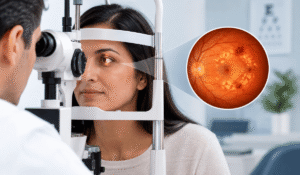
Blurred Vision
High blood sugar can affect your eyesight.
It can cause the lenses in your eyes to swell, leading to blurry vision. This symptom may come and go, which is why many people ignore it. However, untreated diabetes can lead to serious eye problems over time, so early evaluation is important.
Slow-Healing Wounds
If cuts, bruises, or infections take longer than usual to heal, it could be a warning sign.
High blood sugar affects blood flow and weakens the body’s ability to heal itself. Even small wounds can take longer to recover. Primary care providers can assess healing issues and check for underlying conditions like diabetes.
Frequent Infections
People with diabetes are more likely to get infections.
These can include skin infections, urinary tract infections, or yeast infections. High blood sugar creates an environment where bacteria and fungi can grow easily. If you notice repeated infections, it’s important to seek medical advice.
Tingling or Numbness in Hands and Feet
A tingling or “pins and needles” feeling in your hands or feet may be related to nerve damage.
This condition, known as diabetic neuropathy, develops when high blood sugar damages nerves over time. Catching diabetes early through primary care can help prevent or delay this complication.
Darkened Skin Patches
Dark, thickened patches of skin—often around the neck, armpits, or groin—can be a sign of insulin resistance.
This condition is called acanthosis nigricans and is often linked to type 2 diabetes. While it may seem like a skin issue, it can actually be an early warning sign that your body is struggling to manage blood sugar.
Why Early Detection Matters
These symptoms of diabetes mellitus are warning signs—not a diagnosis. Many of them can also be linked to other health conditions. That’s why it’s important not to self-diagnose.
Primary care services, like those offered through IAMACF, are designed to help people identify health concerns early. Through routine check-ups, blood sugar testing, and ongoing monitoring, primary care providers can:
- Detect diabetes in its early stages
- Help you understand your symptoms
- Create a personalized care plan
- Guide diet, exercise, and lifestyle
- Manage related conditions like high blood pressure or cholesterol
Early diagnosis can make a big difference. It can help prevent complications such as heart disease, kidney problems, and nerve damage.
How Primary Care Services Help in Diabetes Management

Managing diabetes is not just about medication. It requires regular monitoring, lifestyle changes, and ongoing medical support.
Primary care services play a key role in helping individuals manage diabetes effectively.
Early Screening and Diagnosis
Primary care providers can:
- Perform blood sugar tests
- Identify early signs of diabetes
- Diagnose prediabetes before it becomes serious
Personalized Treatment Plans
Every patient is different. A primary care provider can create a plan based on:
- Your health condition
- Lifestyle
- Medical history
This may include medications, diet changes, and exercise routines.
Chronic Disease Management
Diabetes is a long-term condition that needs continuous care. Primary care services help with:
- Regular check-ups
- Blood sugar monitoring
- Adjusting treatment plans
Lifestyle Counseling
Healthy habits are essential for managing diabetes. Patients receive guidance on:
- Balanced diet
- Physical activity
- Weight management
Access to Lab Testing and Medications
Primary care services often provide the following:
- Blood tests (glucose, cholesterol, etc.)
- Basic medications for diabetes management
Diabetes Care at IAMACF Primary Care Services
The primary care services at IAMACF are designed to support individuals with chronic conditions like diabetes, especially those who may not have access to regular healthcare.
Key Diabetes-Related Services Include:
Free or Low-Cost Medical Care
Patients can receive care regardless of insurance status, making it easier to manage diabetes without financial stress.
Chronic Disease Management
IAMACF provides ongoing care for conditions like the following:
- Diabetes
- Hypertension
- High cholesterol
Regular Health Monitoring
Patients receive:
- Blood sugar checks
- Lab testing
- Routine health evaluations
Medication Support
Basic medications are available to help control blood sugar levels.
Preventive Care and Education
Patients are educated about:
- Recognizing symptoms
- Healthy eating habits
- Preventing complications
Access to Specialty Clinics
If needed, patients may be referred to specialty services such as:
- Eye care (important for diabetic patients)
- Mental health support
- Nutrition guidance
Community-Focused Care
The clinic focuses on serving underserved communities and provides compassionate, patient-centered care.
Tips to Prevent or Manage Diabetes
If you are at risk or already experiencing symptoms, here are some simple steps to manage your health:
- Eat a balanced diet with fewer sugary foods
- Exercise regularly (at least 30 minutes a day)
- Maintain a healthy weight
- Avoid smoking and limit alcohol
- Monitor your blood sugar levels
- Visit a primary care provider regularly
Final Thoughts
The symptoms of diabetes mellitus may start small, but they can lead to serious health problems if ignored. Paying attention to early warning signs like frequent urination, fatigue, blurred vision, and slow healing can help you take action early.
Primary care services, such as those offered by IAMACF, play an important role in early detection, treatment, and long-term management of diabetes. With the right care and lifestyle changes, diabetes can be effectively controlled, allowing you to live a healthy and active life.
If you or someone you know is experiencing these symptoms, don’t wait. Seek medical care and take the first step toward better health.
FAQ’s
What are the early symptoms of diabetes mellitus in adults?
The early symptoms of diabetes mellitus in adults include frequent urination, increased thirst, unusual hunger, fatigue, and blurred vision. These signs often develop slowly, especially in type 2 diabetes. Recognizing them early is important because timely diagnosis and treatment can help prevent serious health complications and improve overall health outcomes.
How can I confirm if I have diabetes mellitus?
To confirm diabetes mellitus, a doctor will perform blood tests such as fasting blood sugar, HbA1c, or glucose tolerance tests. These tests measure how your body handles sugar. If you notice symptoms like excessive thirst or fatigue, it is important to visit a healthcare provider for proper diagnosis and early management.
Why does diabetes cause frequent urination and thirst?
High blood sugar levels force the kidneys to work harder to remove excess glucose from the body through urine. This leads to frequent urination. As the body loses more fluids, dehydration occurs, causing increased thirst. These two symptoms often appear together and are among the most common early signs of diabetes.
Can diabetes symptoms appear suddenly in adults?
In some cases, especially with type 1 diabetes, symptoms can appear suddenly and become severe quickly. However, in most adults with type 2 diabetes, symptoms develop gradually over time. This slow progression often makes it harder to notice early warning signs, which is why regular health check-ups are important.
What complications can occur if diabetes is untreated?
If diabetes is left untreated, it can lead to serious complications such as heart disease, kidney damage, nerve damage, and vision problems. Over time, high blood sugar can affect multiple organs. Early detection, regular monitoring, and proper management through lifestyle changes and medical care can significantly reduce these risks.
How do primary care services help manage diabetes?
Primary care services help manage diabetes by offering early diagnosis, regular monitoring, and personalized treatment plans. They provide guidance on diet, exercise, and medication. Continuous support from healthcare providers ensures better blood sugar control and helps prevent complications, making it easier for patients to maintain long-term health and stability.
Can diabetes be managed without medication?
In the early stages, especially in prediabetes or mild type 2 diabetes, lifestyle changes like healthy eating, regular exercise, and weight management can help control blood sugar levels. However, some individuals may still require medication. It is important to follow a doctor’s advice for the best and safest approach to diabetes management.
Who is at higher risk of developing diabetes mellitus?
Adults who are overweight, physically inactive, or have a family history of diabetes are at higher risk. Other risk factors include an unhealthy diet, high blood pressure, and increasing age. Regular screening and adopting a healthy lifestyle can help reduce the chances of developing diabetes or delay its onset.