
Getting sick without insurance is one of the most stressful experiences a person can go through. Do you skip the doctor’s visit and hope it goes away? Do you risk a bill you can’t pay? For thousands of people across Illinois, these questions come up more often than they should. The good news is that free and low-cost healthcare options do exist in this state, and many of them are more accessible than people realize.
This guide walks through the kinds of free healthcare resources available in Illinois, who typically qualifies, and how to start using them. Whether you’re uninsured, underinsured, or simply looking for a more affordable way to manage a chronic condition, there are real options worth knowing about.
Why Free Healthcare Resources Matter
Illinois has one of the largest uninsured populations in the Midwest, and Chicago alone is home to a significant number of residents who fall through the cracks of traditional insurance. Some people make too much to qualify for Medicaid but not enough to afford private coverage. Others are recent immigrants, part-time workers, or people between jobs. Whatever the reason, going without care doesn’t make health problems disappear — it usually makes them worse and more expensive to treat later.
That’s exactly why free clinics, community health centers, and public health programs exist. They fill the gap between “can’t afford insurance” and “still needs to see a doctor.”
Types of Free Healthcare Resources in Illinois
Free and Charitable Clinics
Free clinics are staffed by volunteer physicians, nurses, and medical students, and they typically don’t bill patients at all. These clinics usually focus on primary care — checkups, chronic disease management, and basic treatment for common illnesses.
The IAMA Charitable Foundation Community Health Clinic, located at 2645 W Peterson Ave in Chicago, is one example. Patients are first seen by a team of medical students who complete the initial evaluation, and an attending physician then reviews the case and finalizes the treatment plan. This model allows the clinic to serve a high number of patients while still keeping physician oversight on every visit. The clinic is open Tuesday through Sunday, with hours varying by day, and it accepts both scheduled appointments and walk-ins when space allows.
Federally Qualified Health Centers (FQHCs)
FQHCs are community health centers that receive federal funding to serve low-income and uninsured patients. They charge on a sliding fee scale based on income, so even if a visit isn’t completely free, it’s often just a few dollars. Illinois has dozens of these centers spread across Chicago and the surrounding suburbs, and many offer dental, behavioral health, and women’s health services alongside primary care.
Chronic Disease Management Programs
A large share of free healthcare resources in Illinois are built around managing chronic conditions, since these are the illnesses that cause the most long-term harm when left untreated. Common areas of focus include:
- Hypertension (high blood pressure) — regular monitoring and medication management to prevent stroke and heart disease
- Diabetes mellitus — blood sugar tracking, dietary counseling, and medication support
- High cholesterol — lipid panel testing and guidance on reducing cardiovascular risk
- Thyroid disorders — evaluation and treatment for hypothyroidism, hyperthyroidism, and thyroid nodules
- Gastroesophageal reflux disease (GERD) — diagnosis and management of chronic acid reflux
These five conditions are among the most common reasons patients seek ongoing primary care, and free clinics across the state are often built to handle exactly this kind of long-term follow-up rather than just one-time visits.
Free or Low-Cost Prescription Medications

One of the biggest hidden costs of managing a chronic illness is the medication itself. Many free clinics maintain an in-house supply of commonly needed prescriptions so patients don’t have to choose between filling a prescription and paying rent. This often includes:
- Blood pressure medications like lisinopril, amlodipine, and metoprolol
- Diabetes medications such as metformin and glipizide
- Cholesterol-lowering drugs like simvastatin
- Common antibiotics for infections
- General medications for allergies, inflammation, and other everyday health issues
Having access to these medications on-site, rather than needing a separate pharmacy trip and out-of-pocket cost, makes a real difference for patients who are already stretching a tight budget.
Basic and Diagnostic Lab Testing
Diagnosing a condition accurately requires lab work, and this is another area where cost often keeps people from getting answers. Free clinics that offer lab services typically provide blood draws for a basic or comprehensive metabolic panel, a complete blood count, a lipid panel to check cholesterol, hemoglobin A1C for diabetes monitoring, and thyroid function testing. Many also offer same-day, on-site testing such as urine dipstick tests, pregnancy testing, finger-stick glucose checks, and EKGs to evaluate heart rhythm. Having these tests available without a lab bill removes one of the biggest barriers to catching a health problem early.
Specialty Clinics and Educational Classes
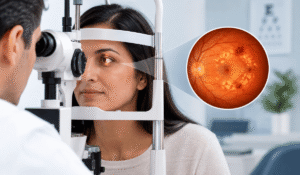
Beyond general checkups, some Illinois clinics coordinate specialty services that patients would otherwise struggle to access without insurance. These can include diabetic eye screenings to catch retinopathy before it threatens vision, dermatology and dental referrals, women’s health services, mental health support, and bone density testing. Alongside direct care, many clinics also run educational classes on topics like hypertension, diabetes, cholesterol management, and general nutrition and exercise — giving patients the tools to manage their health between visits, not just during them.
Community Education and Preventive Care
Prevention is often the most overlooked piece of free healthcare, but it’s arguably the most valuable. Catching high blood pressure before it causes a stroke, or catching prediabetes before it becomes type 2 diabetes, saves both health and money down the line. Many clinics build preventive screenings directly into a regular visit, so patients aren’t just being treated for what’s already gone wrong—they’re being checked for what could go wrong next. This kind of proactive care is one of the biggest advantages of building an ongoing relationship with a free clinic rather than only seeking help during an emergency.
Who Qualifies for These Services?
Eligibility varies by organization, but free clinics generally aim to serve people who are uninsured or underinsured, regardless of income documentation requirements at larger institutions. Community health clinics like IAMA Charitable Foundation Community Health Clinic are set up specifically to serve the surrounding neighborhood without turning people away over paperwork. It’s always worth calling ahead, since some specialty services or medications may have limited availability on a given day.
How to Access Free Healthcare in Illinois
Getting started is usually simpler than people expect:
- Call ahead to confirm hours and ask what to bring — most clinics only need a form of ID and won’t require proof of insurance.
- Arrive early if you have an appointment, since many clinics ask patients to arrive around 15 minutes beforehand for check-in.
- Ask about walk-in availability. Many free clinics accept walk-ins, though same-day service isn’t always guaranteed if the schedule is full.
- Bring a list of current medications and symptoms so the medical team can get a full picture during your first visit.
- Follow up consistently, especially for chronic conditions like diabetes or hypertension, where ongoing monitoring matters more than a single visit.
Final Thoughts
Free healthcare resources in Illinois exist precisely because the cost of care shouldn’t be the reason someone avoids treatment. From primary care visits to lab testing, medications, and specialty referrals, clinics across the state — including community health clinics like IAMACF in Chicago — are working to make sure that a lack of insurance doesn’t mean a lack of care. If you or someone you know has been putting off a doctor’s visit because of cost, it’s worth looking into what’s available close to home.
Frequently Asked Questions
Are free clinics in Illinois really free, or is there a hidden cost?
Most free and charitable clinics don’t charge patients for visits, basic lab work, or on-site medications. Some federally funded health centers use a sliding fee scale instead, meaning costs are based on income rather than being completely free, so it’s best to ask directly.
Do I need insurance to visit a free clinic in Illinois?
No. Free clinics are specifically designed for people who are uninsured or underinsured. You typically just need a form of identification, and staff can walk you through what documentation, if any, is required for your visit.
Can free clinics help manage chronic conditions like diabetes or high blood pressure?
Yes. Many free clinics specialize in ongoing chronic disease management, including regular monitoring, medication refills, and lab testing for conditions like diabetes, hypertension, high cholesterol, and thyroid disorders.
What should I bring to my first visit at a free clinic?
Bring a photo ID, a list of any medications you’re currently taking, and notes on your symptoms or medical history. If you’ve had recent lab work done elsewhere, bringing those results can also help the medical team.
Do free clinics accept walk-in patients?
Many do, though availability depends on how full the schedule is that day. It’s usually best to call ahead, and if walk-in slots aren’t open, staff can often help you find the next available appointment.