
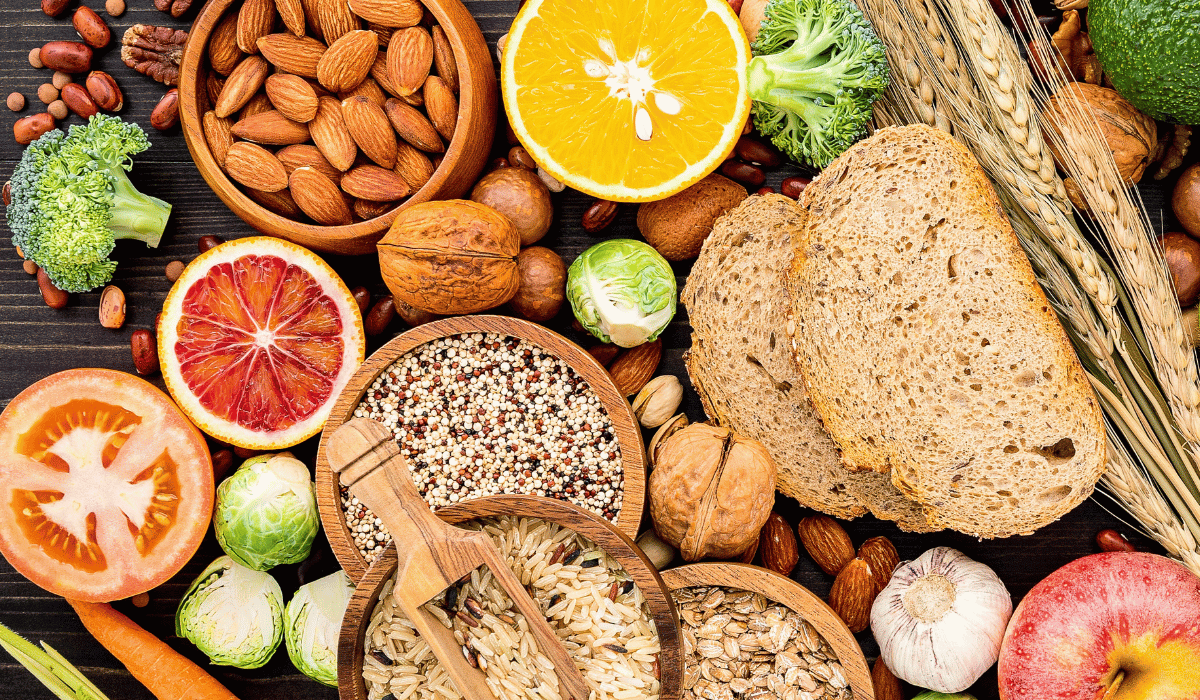
Hypertension — commonly called high blood pressure — is one of the most prevalent yet preventable chronic conditions in the world. Left unmanaged, it significantly raises the risk of heart attack, stroke, and kidney failure. The encouraging truth is that one of the most effective ways to control blood pressure is not found in a pharmacy but rather in your diet.
A well-structured nutritional diet for hypertension can reduce systolic blood pressure as effectively as some first-line medications, without the side effects. At the IAMA Charitable Foundation Free Health Clinic, we see firsthand how targeted dietary changes transform our patients’ cardiovascular health. This complete guide breaks down exactly what to eat, what to limit, and how to build a sustainable heart-healthy eating plan.
Understanding Hypertension and the Role of Diet
Blood pressure is measured as two numbers—systolic pressure (when the heart beats) over diastolic pressure (when the heart rests between beats). A reading of 120/80 mmHg is considered normal. Hypertension is diagnosed when readings consistently exceed 130/80 mmHg, placing relentless strain on arterial walls and vital organs.
The connection between nutrition and blood pressure is direct and well-established. Excess sodium causes the body to retain water, expanding blood volume and raising pressure in the arteries. Conversely, potassium, magnesium, calcium, and dietary fiber all work to relax blood vessels and support healthy cardiovascular function. Chronic inflammation—driven largely by poor dietary choices—further damages the arterial lining over time.
Following the right nutritional diet for hypertension addresses all these mechanisms simultaneously. Multiple large-scale clinical trials have confirmed that dietary intervention alone can achieve meaningful, lasting reductions in blood pressure, making it the first-line recommendation from major cardiology and health organizations worldwide.
The DASH Diet: The Gold Standard for Blood Pressure
The Dietary Approaches to Stop Hypertension (DASH) diet was specifically developed through National Institutes of Health-funded research as an evidence-based eating plan to lower blood pressure. It consistently ranks among the top dietary frameworks endorsed by the American Heart Association and the World Health Organization.
Rather than eliminating entire food groups, the DASH diet focuses on increasing the intake of heart-protective nutrients while moderating sodium. Studies show it can reduce systolic blood pressure by up to 11 mmHg in people with hypertension — results comparable to prescription medication.
DASH Diet: Daily Servings Guide
| Food Group | Daily Servings | Example Serving |
| Vegetables | 4–5 | 1 cup raw leafy greens or ½ cup cooked vegetables |
| Fruits | 4–5 | 1 medium fruit or ½ cup fresh/frozen fruit |
| Whole Grains | 6–8 | 1 slice whole-grain bread or ½ cup cooked oats |
| Low-Fat Dairy | 2–3 | 1 cup low-fat yogurt or 1½ oz reduced-fat cheese |
| Lean Proteins | 6 oz or less | 3 oz cooked fish, chicken, or plant proteins |
| Nuts, Seeds & Legumes | 4–5 per week | 1/3 cup nuts, 2 tbsp seeds, or ½ cup cooked beans |
| Fats & Oils | 2–3 | 1 tsp vegetable oil or 1 tbsp low-fat mayo |
| Sweets & Added Sugars | 5 or fewer/week | 1 tbsp sugar or ½ cup sorbet |
| Clinical Tip
The standard DASH diet targets 2,300 mg of sodium per day. The lower-sodium version targets 1,500 mg daily and produces even greater blood pressure reductions, particularly in adults over 50. |
Best Foods for a Hypertension-Friendly Nutrition Diet
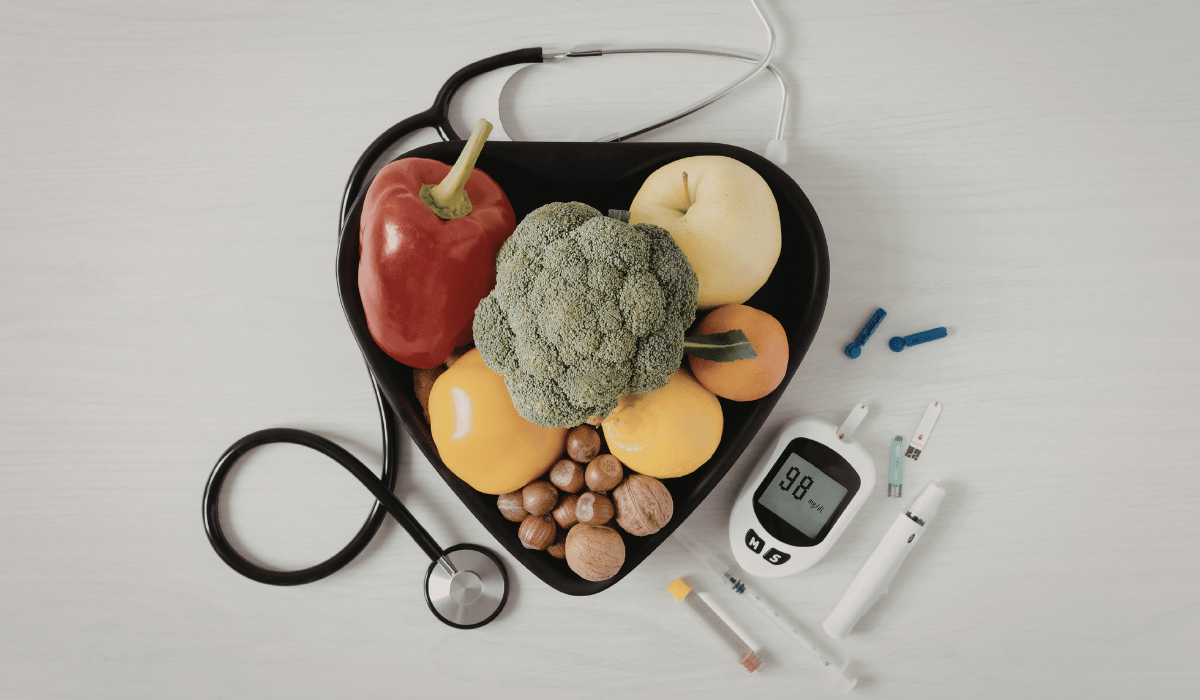
When constructing your daily nutrition diet for hypertension, focus on whole, minimally processed foods rich in the nutrients that support vascular health. Below are the most clinically recommended food groups.
- Leafy Green Vegetables: Spinach, kale, arugula, and Swiss chard are packed with potassium, which helps the kidneys flush excess sodium and relax blood vessel walls. Aim for at least one large serving daily.
- Berries: Blueberries, strawberries, and raspberries are rich in flavonoids — natural compounds shown to reduce the risk of hypertension by improving endothelial function and reducing arterial stiffness.
- Avocados: A nutrient-dense source of potassium and heart-healthy monounsaturated fats, avocados support healthy blood lipid levels alongside blood pressure management.
- Fatty Fish: Salmon, mackerel, sardines, and trout provide omega-3 fatty acids that reduce arterial inflammation and help lower both blood pressure and triglyceride levels. Aim for at least two servings per week.
- Legumes and Beans: Lentils, chickpeas, black beans, and kidney beans deliver potassium, magnesium, and soluble fiber—a triple benefit for cardiovascular health. They are also an excellent low-cost protein source.
- Nuts and Seeds: Unsalted walnuts, flaxseeds, and sunflower seeds provide magnesium and healthy fats that support arterial flexibility and lower LDL cholesterol. Keep portions to about one small handful per day.
- Whole Grains: Oats, quinoa, brown rice, and whole-wheat bread reduce systolic blood pressure through their fiber content and slow-releasing carbohydrates that prevent glucose spikes and associated inflammation.
- Garlic: Allicin in garlic has been shown in clinical studies to produce modest but meaningful reductions in blood pressure, making it one of the most effective and affordable dietary additions for hypertension management.
Key Nutrients That Lower Blood Pressure
Understanding the nutritional science behind a hypertension diet helps you make smarter food choices every day. Four nutrients stand out as particularly critical.
- Potassium: Potassium counteracts the blood-pressure-raising effect of sodium by prompting the kidneys to excrete more sodium in urine. Adults with hypertension should aim for 3,500 to 5,000 mg of potassium daily from food sources such as bananas, sweet potatoes, tomatoes, and leafy greens. Note that individuals with kidney disease should consult their physician before significantly increasing potassium intake.
- Magnesium: Magnesium acts as a natural calcium channel blocker, relaxing blood vessels and lowering vascular resistance. Low magnesium levels are strongly associated with hypertension. Rich dietary sources include dark chocolate (70%+ cacao), pumpkin seeds, almonds, and black beans.
- Calcium: Adequate calcium intake from low-fat dairy, fortified plant milks, tofu, and broccoli supports the muscle contractions and relaxations that regulate blood pressure. Research shows that diets low in calcium are linked to higher blood pressure, especially in women.
- Omega-3 Fatty Acids: EPA and DHA from fatty fish suppress inflammatory pathways in arterial walls and improve arterial compliance. Regular consumption of at least two servings per week is associated with a 5 to 8 percent reduction in the risk of cardiovascular events in people with hypertension.
Foods to Avoid or Strictly Limit
An effective nutrition diet for hypertension is as much about what you remove as what you add. The following food categories have the strongest evidence linking them to elevated blood pressure.
- Sodium-rich processed foods — canned soups, deli meats, fast food, soy sauce, and pickles
- Added sugars — sugary drinks, pastries, candy, and sweetened breakfast cereals
- Saturated and trans fats — fatty red meat, full-fat dairy, fried foods, and margarine with hydrogenated oils
- Alcohol—more than 1 drink per day for women or 2 drinks per day for men raises blood pressure significantly
- Excess caffeine—more than 400 mg per day may cause temporary blood pressure spikes
- Refined carbohydrates—white bread, white rice, and pastries—spike blood sugar and promote inflammation
| Sodium Watch
The average American consumes over 3,400 mg of sodium daily — more than double the recommended limit for hypertension patients. Over 70% of that sodium comes from packaged and restaurant foods, not the salt shaker. Always read nutrition labels carefully. |
3-Day Sample Hypertension Meal Plan
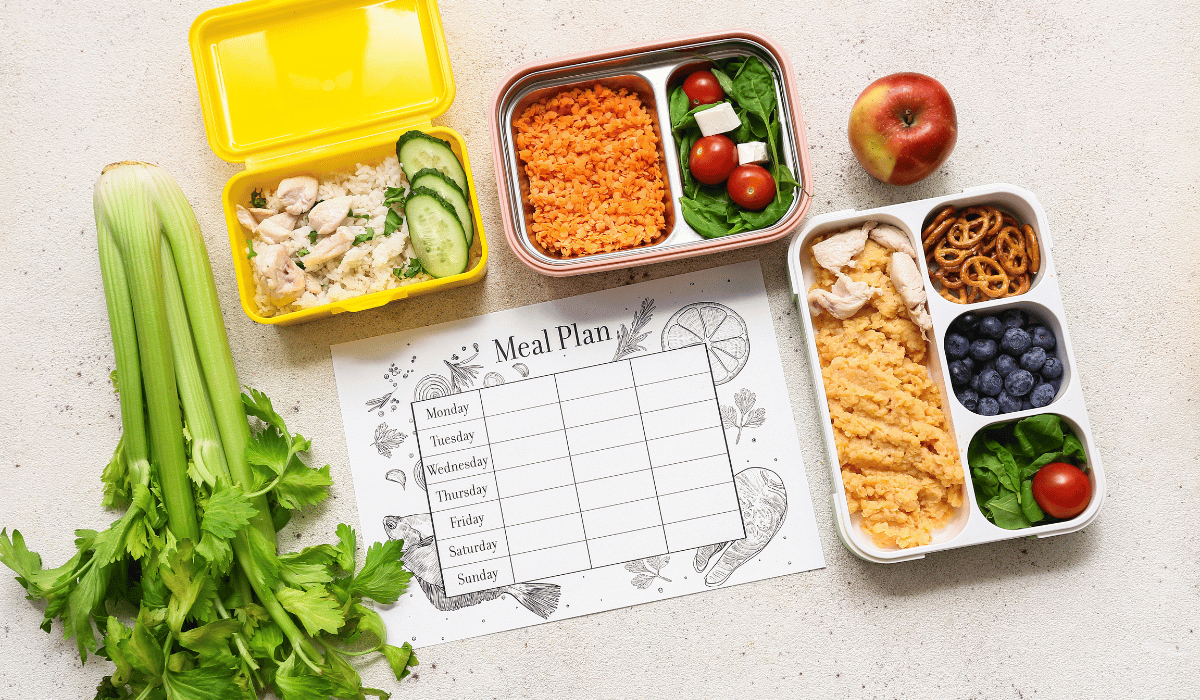
The following meal plan puts the principles of a nutritious diet for hypertension into practical, flavorful daily menus. Each day stays under 2,000 mg of sodium and prioritizes the key nutrients discussed above.
Day 1 — Monday
Breakfast
Steel-cut oatmeal topped with fresh blueberries, sliced banana, and a sprinkle of ground flaxseed. Unsweetened green tea.
Lunch
Grilled salmon over a bed of spinach, cherry tomatoes, cucumber, and avocado slices, dressed with lemon juice and olive oil.
Snack
A small handful of unsalted almonds and a sliced apple.
Dinner
Baked chicken breast with roasted sweet potato and steamed broccoli. Brown rice on the side. Water with lemon.
Day 2 — Tuesday
Breakfast
Low-fat Greek yogurt parfait with mixed berries and a small drizzle of honey. Whole-grain toast with mashed avocado.
Lunch
Lentil soup with spinach and garlic. A slice of whole-grain bread. Fresh orange on the side.
Snack
Carrot and celery sticks with a small bowl of low-sodium hummus.
Dinner
Stir-fried tofu with bell peppers, broccoli, bok choy, and garlic in sesame oil with minimal soy sauce. Served over quinoa.
Day 3 — Wednesday
Breakfast
Two scrambled eggs with sauteed spinach and tomatoes. One slice of whole-grain toast. A cup of fresh fruit.
Lunch
Chickpea and vegetable wrap in a whole-wheat tortilla with lettuce, cucumber, and a yogurt-herb dressing.
Snack
A small square of dark chocolate (72%+ cacao) and a handful of walnuts.
Dinner
Baked mackerel with herbs, roasted asparagus drizzled with lemon and olive oil, and a side of mashed cauliflower.
| Meal Prep Tip
Batch-cooking whole grains, legumes, and proteins on Sundays makes it easier to stick to your hypertension diet throughout the busy workweek without reaching for high-sodium convenience foods. |
Nutrition Efforts
Even the best nutritional diet for hypertension works best when paired with supportive lifestyle habits. Think of diet as the foundation—these practices multiply the results.
- Regular Physical Activity: Aerobic exercise — brisk walking, swimming, or cycling for at least 150 minutes per week — can independently reduce systolic blood pressure by 5 to 8 mmHg. It complements dietary efforts by improving arterial elasticity, reducing inflammation, and helping with weight management.
- Stress Management: Chronic stress activates the sympathetic nervous system, triggering the release of cortisol and adrenaline that constrict blood vessels and raise blood pressure. Practices such as deep breathing, meditation, yoga, and adequate sleep (7 to 9 hours per night) help regulate this stress response.
- Home Blood Pressure Monitoring: Regular self-monitoring with a validated blood pressure monitor helps you understand how specific meals and lifestyle choices affect your readings in real time. This data also empowers more productive conversations with your healthcare provider.
- Limit Alcohol and Quit Smoking: Alcohol raises blood pressure with consistent heavy use, and tobacco directly damages arterial walls. Both undermine the benefits of even an excellent nutrition plan. Reducing or eliminating both is among the highest-impact non-dietary changes you can make for cardiovascular health.
Final Thoughts
High blood pressure does not have to define your future. With a well-designed nutrition diet for hypertension—centered on the DASH principles, nutrient-dense whole foods, and intentional reduction of sodium, sugar, and saturated fat — you can take meaningful control of your cardiovascular health starting with your very next meal.
At IAMACF’s free community health clinic in Chicago, we believe that access to evidence-based nutritional guidance should not be a privilege. It should be available to everyone. Our volunteer physicians, dietitians, and health educators are here to work with you on a personalized plan that fits your life, culture, and health goals—completely free of charge.
Remember: consistency matters far more than perfection. Small, sustained changes in what you eat—adding one extra serving of vegetables, swapping white rice for brown, choosing unsalted nuts over chips—accumulate into profound improvements in blood pressure over weeks and months. Your heart is worth the investment.
FAQ’s
What is the best nutritional diet for hypertension?
The best nutrition diet for hypertension is the DASH diet, which focuses on whole, nutrient-rich foods like fruits, vegetables, whole grains, lean proteins, and low-fat dairy. It emphasizes reducing sodium intake while increasing potassium, magnesium, and fiber. This balanced approach helps relax blood vessels and supports long-term blood pressure control without relying only on medication.
How much sodium should I consume with high blood pressure?
If you have high blood pressure, it’s recommended to limit sodium intake to around 1,500 to 2,300 mg per day. Lower sodium intake often leads to better results, especially for older adults. Avoid processed and packaged foods, as they contain hidden salt. Reading food labels and cooking meals at home can help manage sodium effectively.
Which foods help lower blood pressure quickly?
Foods rich in potassium, magnesium, and healthy fats can help lower blood pressure naturally over time. Leafy greens, bananas, berries, fatty fish, nuts, and seeds are excellent choices. These foods improve blood vessel function and reduce sodium effects. While results are not instant, consistent consumption supports steady and noticeable improvements in blood pressure levels.
Can diet alone control hypertension?
Often, diet alone can significantly reduce blood pressure, especially in the early stages of hypertension. Following a structured nutrition plan like the DASH diet, along with reducing sodium and processed foods, can bring measurable improvements. However, some individuals may still require medication, depending on their condition and overall health status.
Is the DASH diet effective for high blood pressure?
Yes, the DASH diet is one of the most researched and recommended eating plans for managing high blood pressure. Studies show it can lower systolic blood pressure by up to 11 mmHg. It works by focusing on nutrient-dense foods while reducing sodium intake, making it both effective and sustainable for long-term heart health improvement.
Are bananas good for hypertension?
Bananas are highly beneficial for people with hypertension because they are rich in potassium, a mineral that helps balance sodium levels in the body. This reduces pressure on blood vessel walls and supports healthy circulation. Including bananas as part of a balanced diet can contribute to better blood pressure control over time.
What foods should be avoided in hypertension?
People with hypertension should avoid foods high in sodium, added sugars, and unhealthy fats. This includes processed snacks, fast food, sugary beverages, fried items, and refined carbohydrates like white bread. These foods can increase blood pressure and promote inflammation. Limiting them while focusing on whole foods is essential for better heart health.