
Most people have heard their doctor mention cholesterol at some point during a routine checkup. You may have even received a lab report with numbers and walked away wondering what any of it actually means.
The truth is, understanding your cholesterol numbers is one of the most important things you can do for your long-term health. And it does not have to be complicated.
At the IAMA Charitable Foundation Community Health Clinic (IAMACF) in Chicago, cholesterol screening and management are among the core primary care services offered to every patient — completely free of charge. Whether you have never had your cholesterol checked or you have been managing high cholesterol for years, this guide will help you understand exactly what LDL and HDL mean and what you can do about them.
What Is Cholesterol, Really?
Before jumping into LDL vs. HDL, it helps to understand what cholesterol actually is.
Cholesterol is a fatty, waxy substance found naturally in your blood. Your liver produces it, and you also absorb it from certain foods. Despite its bad reputation, your body actually needs cholesterol to do the following:
- Build healthy cells
- Produce essential hormones
- Support normal organ function
- Help the body digest food properly
The problem is not cholesterol itself—it is when certain types rise too high or drop too low. That is where LDL and HDL come in.
LDL Cholesterol — The “Bad” One
LDL (Low-Density Lipoprotein) is commonly called “bad” cholesterol—and for very good reason.
Here is what LDL does inside your body:
- Carries cholesterol from the liver and deposits it into the artery walls
- Causes a dangerous buildup of plaque over time
- Narrows and hardens the arteries—a condition called atherosclerosis
- Restricts blood flow to the heart and brain
- Significantly raises the risk of heart attack and stroke
The scariest part? High LDL usually has no symptoms. Most people have no idea their arteries are being damaged until a major cardiac event occurs.
LDL Number Guide:
| LDL Level | What It Means |
| Below 100 mg/dL | Optimal |
| 100 – 129 mg/dL | Near optimal |
| 130 – 159 mg/dL | Borderline High |
| 160 – 189 mg/dL | High |
| 190 mg/dL and above | Very High — Action Needed |
HDL Cholesterol — The “Good” One
HDL (High-Density Lipoprotein) is the type of cholesterol you actually want MORE of.
Here is what HDL does for you:
- Acts as a cleanup crew for your bloodstream
- Picks up excess cholesterol deposited by LDL
- Carries it back to the liver to be broken down and removed
- Acts as a natural shield against heart disease
- Helps keep arteries clear and functioning properly
Think of HDL as your body’s built-in defense system working around the clock to undo the damage that LDL causes.
HDL Number Guide:
| HDL Level | What It Means |
| 60 mg/dL and above | Protective — Great! |
| 40 – 59 mg/dL | Acceptable but improvable |
| Below 40 mg/dL (men) | Too Low — Risk Increases |
| Below 50 mg/dL (women) | Too Low — Risk Increases |
Why the Ratio Between LDL and HDL Matters
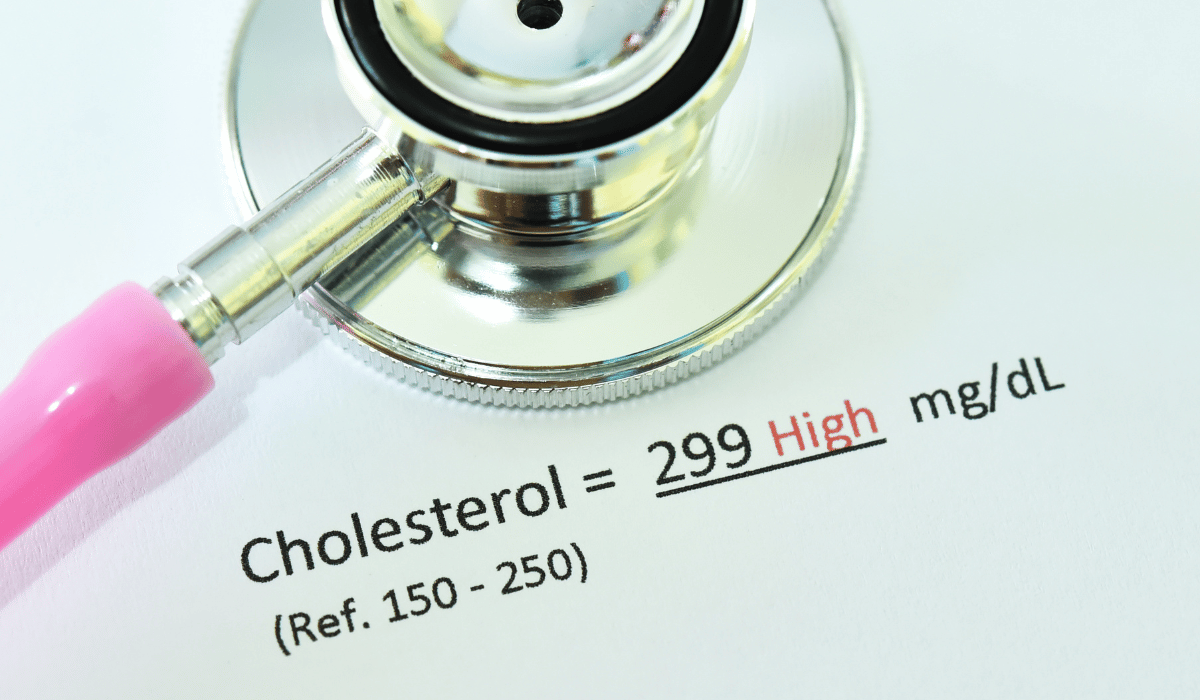
Your doctor does not just look at one number—they look at the full picture. Here is why:
- High LDL alone is concerning
- Low HDL alone is a warning sign
- High LDL + Low HDL together = significantly elevated heart disease risk
This is why a complete lipid panel test is so important. It measures:
- LDL cholesterol
- HDL cholesterol
- Total cholesterol
- Triglycerides
At IAMACF’s Lab Services, patients have access to this full lipid panel at absolutely no cost. It is one of the most powerful and simple steps you can take to understand your cardiovascular health — especially if you have a family history of heart disease, diabetes, or obesity.
What Causes Unhealthy Cholesterol Levels?
Several factors push LDL up and HDL down — and many of them are within your control:
Diet
- Foods high in saturated fats (red meat, full-fat dairy, processed snacks) raise LDL
- Trans fats found in fried and packaged foods raise LDL AND lower HDL simultaneously
- Eating more fiber, healthy fats, and vegetables can meaningfully improve your numbers
Physical Inactivity
- A sedentary lifestyle raises LDL and lowers HDL
- Regular aerobic exercise—even 30 minutes of brisk walking most days—raises HDL and helps the body process LDL more efficiently
Body Weight
- Excess weight, especially around the abdomen, raises LDL and triglycerides
- Even modest weight loss leads to measurable improvements across all cholesterol numbers
Smoking
- Smoking actively lowers HDL levels
- It also damages artery walls, making it easier for LDL plaques to take hold
- Quitting smoking leads to a relatively quick improvement in HDL
Genetics
- Some people are genetically predisposed to high LDL regardless of diet or lifestyle
- This condition—called familial hypercholesterolemia—almost always requires medication alongside lifestyle changes
The Connection Between Cholesterol and Other Chronic Conditions
High cholesterol rarely travels alone. It is closely connected to several other chronic conditions that IAMACF manages every day through its primary care services:
Diabetes Mellitus
People with Type 2 diabetes commonly experience the following:
- Higher LDL levels
- Lower HDL levels
- Elevated triglycerides
IAMACF provides anti-diabetic medications, including metformin and glipizide, to help patients manage blood sugar, which in turn supports better cholesterol control.
Hypertension
High blood pressure and high cholesterol together are an especially dangerous combination because:
- Both damage blood vessels independently
- Together, they multiply the risk of heart attack and stroke
IAMACF’s medications clinic offers antihypertensive medications, including lisinopril, amlodipine, and metoprolol, to help manage both conditions as part of a coordinated care plan.
Thyroid Disorders
An underactive thyroid (hypothyroidism) directly affects cholesterol because
- It slows metabolism
- Causes LDL to rise significantly
- Often goes undiagnosed for years
Treating the underlying thyroid condition through primary care frequently helps bring cholesterol back toward a healthier range—another reason comprehensive evaluation matters.
How Cholesterol Is Treated at IAMACF

Treatment at IAMACF follows a clear, step-by-step approach tailored to each patient:
Step 1 — Screening
- Full lipid panel through IAMACF’s free lab services
- Baseline evaluation of overall cardiovascular risk
Step 2 — Lifestyle Guidance
- Personalized dietary recommendations
- Physical activity guidance
- Weight management support
- Smoking cessation counseling
Step 3—Medication (when needed)
IAMACF’s medications clinic provides access to proven cholesterol-lowering drugs at no cost, including the following:
- Simvastatin — a statin medication with decades of evidence for reducing LDL and cardiovascular risk
- Gemfibrozil — used for patients with elevated triglycerides alongside high cholesterol
Step 4 — Ongoing Monitoring
- Regular follow-up lab work through IAMACF’s lab services
- Adjustments to treatment based on results
- Educational classes on cholesterol management through IAMACF’s Specialty Clinics
Get Your Cholesterol Checked at IAMACF — For Free
High cholesterol affects tens of millions of Americans, and a large number of them have no idea. There are no pain signals, no visible warning signs — just silent damage building up over time. Routine screening is the only reliable way to catch it early.
At the IAMA Charitable Foundation Community Health Clinic, the door is open to anyone in the Chicago community who needs quality primary care but lacks the financial means or insurance coverage to access it elsewhere.
📍 Visit Us:
2645 W Peterson Ave, Chicago, Illinois 60659
📞 Call to Schedule:
(872) 330-3627
🕐 Clinic Hours:
- Tuesday – Thursday: 10 AM – 4 PM
- Friday: 5 PM – 9 PM
- Saturday – Sunday: 10 AM – 2 PM
- Closed Monday
💬 “Your heart health is worth prioritizing — and at IAMACF, you never have to face it alone.”
The IAMA Charitable Foundation Community Health Clinic provides free primary care services, including chronic disease management, lab testing, medications, and specialty clinics, to uninsured and underserved residents of Chicago, Illinois.
FAQ’s
What is the difference between LDL and HDL cholesterol?
LDL (Low-Density Lipoprotein) is known as “bad” cholesterol because it deposits fat in your artery walls, increasing the risk of heart disease. HDL (High-Density Lipoprotein) is “good” cholesterol because it carries excess cholesterol back to the liver for removal. Having high LDL and low HDL together is the most dangerous combination for your heart.
What are healthy LDL and HDL cholesterol levels?
A healthy LDL level is below 100 mg/dL, while anything above 160 mg/dL is considered high and needs medical attention. For HDL, 60 mg/dL or above is protective against heart disease. Levels below 40 mg/dL in men and below 50 mg/dL in women are considered too low and increase cardiovascular risk significantly.
Can high cholesterol cause any symptoms?
Unfortunately, high cholesterol produces almost no noticeable symptoms in most people. There is no pain, no visible warning sign, and no obvious physical change — which is exactly what makes it so dangerous. The only reliable way to know your cholesterol levels is through a simple blood test called a lipid panel.
How can I lower my LDL and raise my HDL naturally?
Several lifestyle changes can improve both numbers. Eating less saturated fat and more fiber-rich foods helps lower LDL. Regular aerobic exercise, like brisk walking, raises HDL effectively. Quitting smoking also improves HDL levels quickly. Even losing a small amount of body weight can make a measurable difference in your overall cholesterol profile.
Is high cholesterol connected to diabetes or high blood pressure?
Yes, very closely. People with Type 2 diabetes often have higher LDL and lower HDL levels. High blood pressure and high cholesterol together multiply cardiovascular risk significantly. At IAMACF, both conditions are managed together through primary care, ensuring patients receive coordinated treatment rather than addressing each condition separately without considering the bigger picture.
What cholesterol medications are available at IAMACF?
IAMACF provides free access to proven cholesterol-lowering medications for eligible patients. Simvastatin, a widely trusted statin drug, is available to help lower LDL and reduce heart disease risk. Gemfibrozil is also offered for patients dealing with elevated triglycerides alongside high cholesterol. All medications are provided at no cost through the clinic.
How do I get my cholesterol checked at IAMACF?
Getting your cholesterol checked at IAMACF is simple and completely free. The clinic offers full lipid panel testing through its lab services with no insurance required. Simply call (872) 330-3627 to schedule an appointment or walk in during clinic hours at 2645 W Peterson Ave, Chicago, Illinois 60659. The clinic is open Tuesday through Sunday.