
Hypertension, commonly known as high blood pressure, is often called the “silent killer” — and for good reason. It can quietly damage your heart, kidneys, and other vital organs without showing obvious symptoms. While we often associate hypertension with older adults, an alarming number of young adults today are facing high blood pressure. Early detection is crucial, and understanding the early warning signs of hypertension in young adults can save lives.
At IAMACF, we are committed to providing free primary care and chronic disease management, including hypertension screening and treatment, especially for underserved young adults in the West Ridge community and beyond.
What is Hypertension?
First, what exactly is hypertension? Simply put, hypertension happens when the pressure of blood pushing against your arteries is too high. Over time, this can damage your heart, kidneys, and even your eyes. Think of it like water flowing through a garden hose—too much pressure can wear out the hose over time.
Why Young Adults Are at Risk
Many people believe high blood pressure only happens to older adults, but stressful lifestyles, unhealthy eating, lack of exercise, and family history are causing more young people to develop hypertension. Even if you feel healthy, your blood pressure may be quietly creeping up.
Here’s what makes young adults more at risk:
- Poor diet – Too much salt, processed food, and sugary drinks
- Stress – Work pressure, studies, or personal stress
- Lack of exercise – Sitting most of the day
- Family history – Genetics can play a role
- Weight issues – Being overweight can strain your heart
Early Warning Signs to Watch For

Now, here’s the key part—the early warning signs of hypertension in young adults. Some signs are subtle, so don’t ignore anything unusual.
- Frequent Headaches – Headaches, especially in the morning, can be a sign that your blood pressure is high. They might feel dull, throbbing, or pressure-like.
- Feeling Dizzy or Lightheaded – Sometimes, high blood pressure can affect your brain’s blood flow, making you feel dizzy or lightheaded.
- Shortness of Breath – If you notice you get tired or out of breath doing simple activities, it could be your heart working too hard because of high blood pressure.
- Chest Tightness – Any recurring tightness or discomfort in the chest should be taken seriously. This can be an early warning that your heart is under strain.
- Vision Changes – Blurred vision, seeing spots, or sudden eye problems can be linked to hypertension, affecting the blood vessels in your eyes.
- Fatigue and Trouble Concentrating – Feeling unusually tired or having difficulty focusing can also be a subtle sign of high blood pressure.
- Nosebleeds – Although rare, sudden nosebleeds can sometimes indicate very high blood pressure.
What Can You Do to Protect Yourself?
The good news is that hypertension can be managed and even prevented with simple steps:
- Check your blood pressure regularly – Even once a year can help catch problems early.
- Eat healthy – More fruits, vegetables, and whole foods; less salt and processed foods.
- Exercise regularly – 30 minutes a day of walking, running, or cycling helps keep your heart strong.
- Maintain a healthy weight – Even losing a little weight can lower your blood pressure.
- Reduce stress – Meditation, deep breathing, or hobbies can help.
- Avoid smoking and limit alcohol – Both can raise your blood pressure.
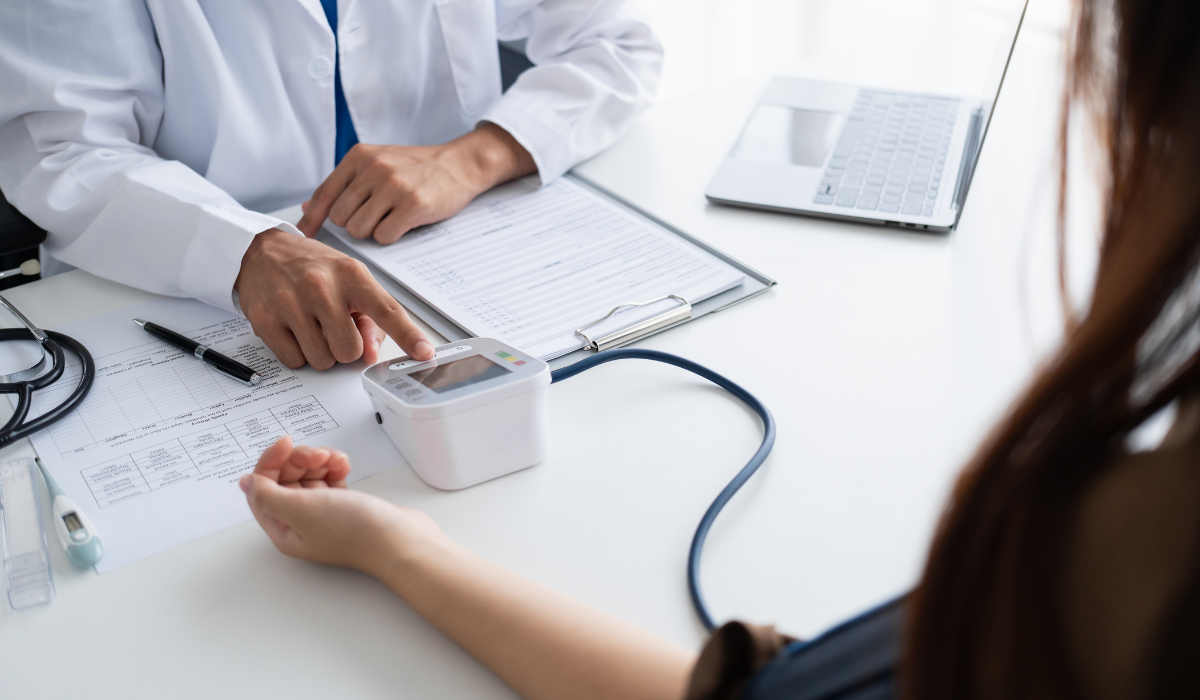
At IAMACF, we provide free blood pressure checks, medication guidance, lifestyle counselling, and educational workshops to help young adults prevent and manage hypertension.
When to See a Doctor
Don’t wait if you see any of the warning indicators. Seek medical attention right away, particularly if you have:
- Severe headaches
- Chest pain
- Sudden dizziness or fainting
- Vision problems
Early intervention is key to preventing heart disease, strokes, and kidney problems.
Why IAMACF Can Help
At IAMACF, we understand that young adults often face barriers to healthcare. That’s why we offer:
- Free primary care and hypertension screening
- Specialty clinics for chronic conditions
- On-site lab testing and medications
- Lifestyle workshops and nutritional guidance
We focus on culturally sensitive care, especially for underserved communities, making it easier for young adults to take charge of their health.
Takeaway
To sum it up, hypertension in young adults is real, and it can be silent. Recognising the early warning signs, knowing your risk factors, and getting regular check-ups are essential. With proper care and lifestyle choices, high blood pressure can be managed and prevented.
Remember, it’s never too early to take your heart health seriously. Visit IAMACF for a free check-up today—early detection could save your life.
FAQ’s
What is hypertension in young adults?
Hypertension in young adults is high blood pressure before age 40. It often develops silently due to lifestyle, stress, or genetics. Early detection is essential, as untreated hypertension can lead to serious complications like heart disease, stroke, and kidney problems.
What are the early warning signs?
Look for headaches, dizziness, chest tightness, shortness of breath, fatigue, blurred vision, or occasional nosebleeds. Many young adults show no symptoms, so regular blood pressure checks are important for early detection and prevention.
How can I prevent high blood pressure?
Preventing hypertension involves healthy eating, regular exercise, maintaining a healthy weight, managing stress, avoiding smoking, and limiting alcohol. Simple lifestyle changes can significantly lower the risk of high blood pressure and improve overall heart health.
For young adults, how often should they take their blood pressure?
Young adults should check their blood pressure at least once a year. If you have risk factors like family history, obesity, or a sedentary lifestyle, more frequent checks are recommended. Home monitoring or clinic visits can help catch hypertension early.
Can hypertension in young adults be treated?
Yes. Hypertension can be managed through lifestyle changes, medications, and regular monitoring. Early treatment helps prevent complications. IAMACF provides guidance, free medications, and counseling to help young adults manage their blood pressure effectively.