Every year, when flu season comes, many of us hear the same question again and again: “Is influenza really dangerous?” For some, the flu is simply a nasty cold. Others are very concerned, particularly concerning youngsters and elderly people.
As a parent, carer, or family member, this question feels very personal. We want to protect the people we love the most. This article shares a simple, user-friendly view on why influenza can be serious for children and seniors, what risks they face, and what we can do to keep them safe.
What is influenza?
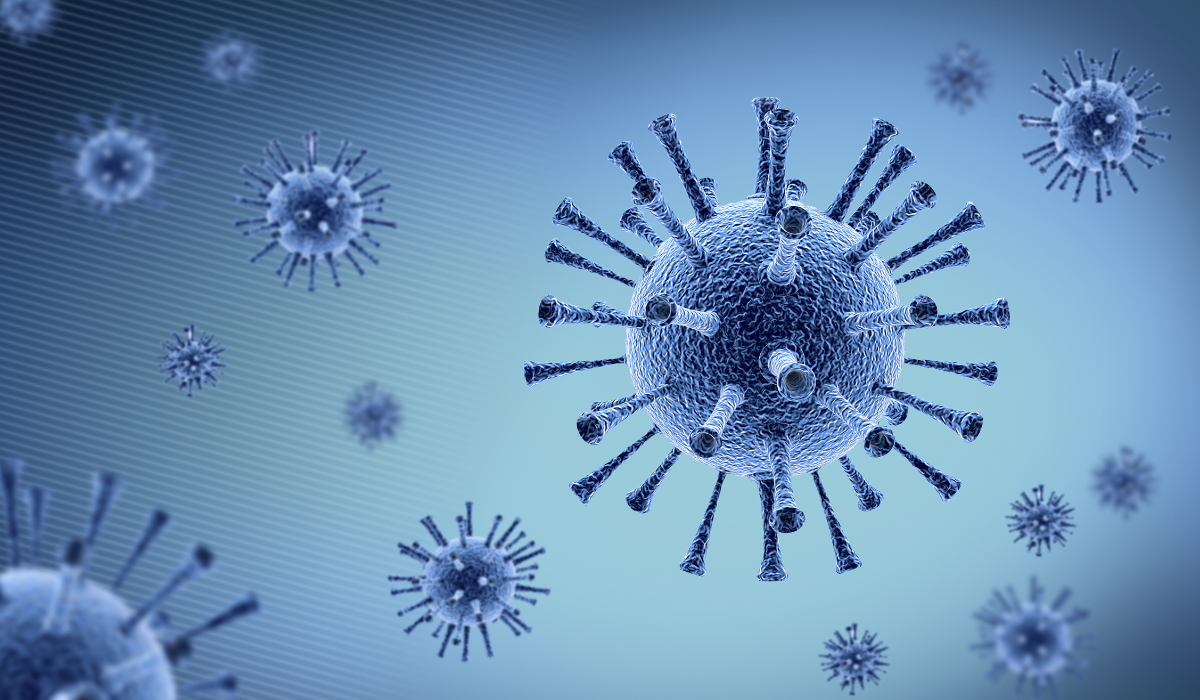
The nose, throat, and lungs are the primary organs affected by influenza, sometimes known as the flu. It spreads easily through:
- Coughing and sneezing
- Talking closely
- Touching infected surfaces and then touching the face
Common flu symptoms include:
- Fever
- Cough
- Sore throat
- Runny or blocked nose
- Body pain
- Headache
- Extreme tiredness
For many healthy adults, the flu feels bad but gets better in a week or two. But for children and seniors, the story can be very different.
Why Children and Seniors Are at Higher Risk
Not everyone’s body fights infections in the same way.
For children
- Their immune system is still developing.
- They touch everything and often forget to wash their hands.
- They stay close to other kids in schools and daycares, where germs spread fast.
For seniors
- The immune system becomes weaker with age.
- Many older adults have other health problems like diabetes, heart disease, or lung disease.
- Recovery from illness takes longer.
Because of this, influenza can become more than just a fever. It can turn into something serious.
How Dangerous Is Influenza for Children?

Most children recover from the flu without problems. But some children can get very sick.
Possible complications in children
- Pneumonia
The flu virus can infect the lungs, making it hard to breathe.
- Ear infections
Very common in young children after the flu.
- Dehydration
When a child refuses to eat or drink because they feel weak.
- Worsening of existing conditions
Children with asthma may have more breathing trouble.
- Hospitalization
In severe cases, children may need oxygen or IV fluids.
Real-life concern
Many parents think, “My child is strong. It’s just the flu.”
But flu can change quickly. A child who looks okay in the morning may have a high fever at night. That’s why it’s important to take flu symptoms seriously in children.
How Dangerous Is Influenza for Seniors?
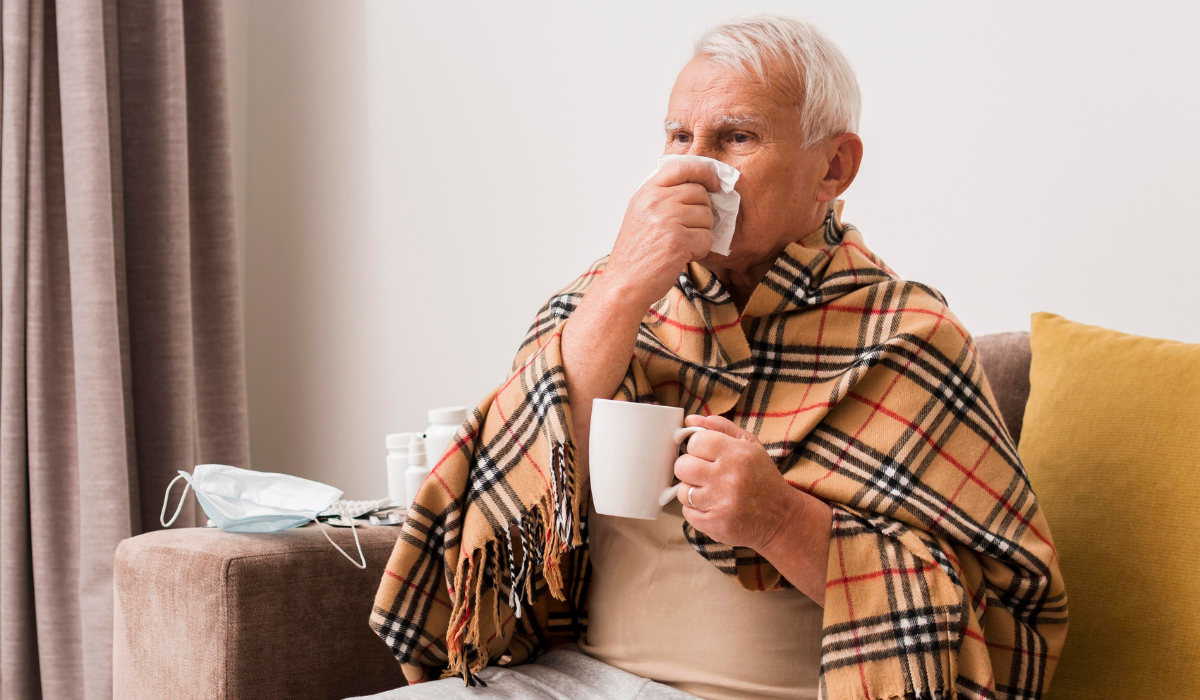
For older adults, flu can be even more dangerous.
Why do seniors suffer more
- Their bodies fight infection more slowly.
- Healing takes more time.
- The flu can worsen existing health problems.
Common complications in seniors
- Pneumonia
This is one of the biggest dangers for seniors with the flu.
- Heart problems
The flu can trigger heart attacks or worsen heart failure.
- Stroke risk
Infection puts stress on the body.
- Long recovery
Even after the flu is gone, weakness can last for weeks.
- Higher chance of death
Sadly, most flu-related deaths happen in older adults.
For seniors, the flu is not just uncomfortable — it can be life-threatening.
How Influenza Spreads in Families
Flu often starts with one person and then spreads to everyone else.
A child brings the flu from school
A grandparent catches it at home
Soon, the whole house is sick
This is why protecting children and seniors also means protecting the entire family.
Signs You Should Never Ignore
In children
- Fast or difficult breathing
- Bluish lips or face
- High fever that doesn’t go down
- Not drinking fluids
- Extreme sleepiness or irritability
- Seizures
In seniors
- Shortness of breath
- Chest pain
- Sudden dizziness
- Confusion
- Very low energy
- A fever that lasts more than 3 days
If you see these signs, seek medical help immediately.
Is Flu More Dangerous Than a Cold?
Yes, absolutely.
A cold usually causes:
- Mild runny nose
- Light cough
- No serious fever
Flu causes:
- High fever
- Severe body pain
- Extreme tiredness
- Risk of complications
People often mix up cold and flu. But flu hits harder and faster, especially in children and seniors.
The Role of Vaccination
One of the best ways to protect against influenza is the flu vaccine.
Why flu vaccine matters
- It reduces the chance of getting the flu
- If you still get the flu, symptoms are usually milder
- It lowers the risk of hospitalisation and death
Who should get vaccinated?
- Children above 6 months
- Seniors over 60
- Pregnant women
- People with chronic diseases
- Caregivers of children and the elderly
Many families skip the flu shot, thinking it is not necessary. But for children and seniors, it can be a life-saving decision.
Daily Habits That Reduce Flu Risk
Simple habits can make a big difference.
Handwashing
Wash your hands with soap for at least 20 seconds
Cover coughs and sneezes
Use a tissue or an elbow, not your hands
Keep a distance from sick people
If someone has the flu, limit close contact
Clean surfaces
Door handles, phones, and tables carry germs
Healthy lifestyle
Good food, sleep, and water help the body fight infection
Caring for a Child with Flu at Home
If your child gets the flu, here’s what helps:
- Let them rest
- Give plenty of fluids
- Use doctor-recommended medicine for fever
- Keep them away from school until fully better
- Watch for danger signs
Never give children medicine without checking the right dose.
Caring for a Senior with the Flu at Home

For older adults:
- Ensure they drink enough water
- Help them take medicines on time
- Keep the room warm and clean
- Watch breathing and energy levels
- Call a doctor if symptoms worsen
Sometimes seniors hide pain or discomfort. Gentle checking makes a big difference.
Emotional Impact on Families
When a child or elder is sick, the whole family feels stressed.
Parents worry:
“What if my child gets worse?”
Carers worry:
“What if I miss something important?”
This fear is natural. But knowledge reduces fear. When you understand flu risks and signs, you feel more prepared.
Common Myths About Influenza
Myth 1: The flu is just a seasonal fever
Truth: The flu can cause serious complications
Myth 2: Healthy people don’t need the vaccine
Truth: Anyone can get the flu and spread it
Myth 3: Once you had the flu, you won’t get it again
Truth: You can get the flu again next season
Myth 4: Home remedies are enough
Truth: Home care helps, but medical advice is important for children and seniors
Why Awareness Matters
Many serious flu cases happen because people wait too long to act.
They think:
- “It will go away”
- “It’s just a cold”
But early care saves lives — especially for children and seniors.
A Realistic View: Should We Panic?
No, we should not panic
But we should not ignore the flu either
Think of influenza like this:
For some people, it’s a bad week
For others, it can be a turning point
Preparedness is better than fear
What Families Can Do Together
- Get vaccinated as a family
- Teach children hygiene habits
- Check on elders regularly
- Keep emergency numbers ready
- Trust doctors and seek help early
These small steps build a strong safety net.
Final Thoughts
Yes, influenza can be dangerous for children and seniors — not always, but often enough that we must take it seriously.
Influenza is not something we should ignore when it comes to children and seniors. While it may seem like a common seasonal illness, it can quickly become serious for these age groups because their bodies are less able to fight infection. The good news is that with simple steps like timely vaccination, good hygiene, early medical care, and close attention to warning signs, most of the risks can be reduced. By staying aware and prepared, families can protect their loved ones and make flu season safer for everyone.
As parents, carers, and family members, our role is not to fear the flu but to respect it, prepare for it, and respond to it wisely.
Because when it comes to children and seniors, even small care today can mean a healthier tomorrow.
FAQ’s
Why is influenza more dangerous for children and seniors?
Children have developing immune systems, and seniors have weaker immunity due to age. This makes it harder for their bodies to fight the flu virus. As a result, they face a higher risk of complications like pneumonia, dehydration, and hospital stays.
How can I tell if flu symptoms are serious in my child or parent?
If you notice breathing trouble, high fever that won’t go down, confusion, extreme weakness, or refusal to drink fluids, these are warning signs. In such cases, it is important to contact a doctor immediately for proper medical care.
Is the flu vaccine really necessary every year?
Yes, the flu virus changes every year, so vaccination is needed annually. The flu shot helps reduce the chance of getting sick and lowers the risk of serious complications. It is especially important for children, seniors, and people with weak immunity.
Can home care alone treat influenza in children and seniors?
Home care, like rest, fluids, and fever control, is helpful, but it may not be enough in serious cases. Children and seniors can worsen quickly, so medical advice is important if symptoms become severe or do not improve within a few days.
How does influenza spread so easily in families?
Influenza spreads through coughs, sneezes, talking closely, and touching infected surfaces. When one family member gets sick, others can catch it quickly, especially children and seniors. That’s why hygiene, isolation, and early care are very important at home.
What is the best way to protect children and seniors from the flu?
The best protection includes yearly flu vaccination, regular handwashing, healthy food, enough sleep, and avoiding close contact with sick people. Early medical care and watching for danger signs can prevent the flu from turning into a serious health problem.