
If you have ever felt a burning sensation rising from your chest after a meal, you are not alone. Gastroesophageal reflux disease — better known as GERD — affects millions of Americans every single day. The uncomfortable truth is that many people reach for antacids or over-the-counter medications without ever understanding why the symptoms keep coming back.
At the IAMA Charitable Foundation Community Health Clinic (IAMACF), our primary care team sees patients struggling with GERD regularly. One of the most common questions we hear is, “How do I treat GERD naturally, without depending on pills every day?”
The good news is that natural treatment for GERD is not only possible—for many patients, it is highly effective. The right combination of lifestyle adjustments, dietary changes, and simple home remedies can significantly reduce symptoms and improve your overall quality of life. Here is what our team recommends.
What Is GERD and Why Does It Happen?
Before exploring natural treatments, it helps to understand what is actually going on inside your body.
GERD occurs when the lower esophageal sphincter (LES)—a ring of muscle that acts as a valve between your esophagus and stomach—becomes weak or relaxes at the wrong time. When this happens, stomach acid flows backward into the esophagus, causing that familiar burning feeling we call heartburn. Over time, if left unmanaged, GERD can lead to more serious complications, including esophageal inflammation, ulcers, or a condition called Barrett’s esophagus.
Common symptoms of GERD include:
- A burning sensation in the chest or throat (heartburn)
- Regurgitation of sour liquid or food
- Difficulty swallowing
- A chronic cough or hoarseness
- A feeling of a lump in the throat
- Disrupted sleep due to nighttime reflux
Understanding your triggers is the first and most important step in learning how to treat GERD naturally.
How to Treat GERD Naturally: Lifestyle Changes That Make a Real Difference
Adjust What and How You Eat
Diet is one of the most powerful tools you have when it comes to managing GERD naturally. Certain foods directly trigger reflux by relaxing the LES or increasing stomach acid production. Common culprits include:
- Spicy foods and hot peppers
- Fried and fatty foods
- Citrus fruits and tomatoes
- Chocolate and peppermint
- Caffeinated beverages like coffee and soda
- Alcohol
Rather than eliminating everything at once, we encourage patients to keep a simple food diary for one to two weeks. Track what you eat and when symptoms appear. Patterns emerge quickly, and it becomes much easier to identify your personal triggers.
Beyond the what, the how of eating matters too. Eating large meals puts more pressure on the LES. Instead, try eating five to six smaller meals throughout the day rather than two or three large ones. Eat slowly, chew thoroughly, and avoid lying down for at least two to three hours after eating.
Maintain a Healthy Body Weight
Excess body weight — particularly around the abdomen — puts physical pressure on the stomach. This pressure pushes stomach acid upward through the LES and into the esophagus. Research consistently shows that even modest weight loss (5 to 10 percent of body weight) can significantly reduce the frequency and severity of GERD symptoms.
At IAMACF, we often work with patients on gradual, sustainable approaches to healthy weight management as part of their chronic disease care plan. Losing weight does not have to be dramatic to produce meaningful relief from GERD.
Elevate the Head of Your Bed
Nighttime GERD is particularly disruptive. When you lie flat, gravity no longer helps keep stomach acid where it belongs. Elevating the head of your bed by six to eight inches is a practical and effective strategy. You can do this using bed risers under the frame or a wedge pillow designed for this purpose.
Note that propping yourself up with extra pillows under your head is not the same thing—it can actually increase abdominal pressure and worsen symptoms. The elevation needs to start at the torso, not just the neck.
Quit Smoking
If you smoke, this one step may offer more relief than almost anything else. Nicotine weakens the lower esophageal sphincter directly, and smoking reduces saliva production—saliva actually helps neutralize acid in the esophagus. Quitting smoking supports your entire digestive system and significantly reduces GERD frequency for most people.
At IAMACF, we understand that quitting is rarely easy. Our care team can connect you with resources and support to make the process more manageable.
Wear Comfortable, Loose Clothing
This is a small change that patients often overlook. Tight waistbands, belts, and shapewear can increase pressure on the abdomen, pushing acid upward. Opting for looser, more comfortable clothing — especially after meals — helps reduce this physical pressure on the stomach.
Manage Stress Actively
The gut-brain connection is real, and stress plays a surprisingly large role in GERD. Psychological stress does not cause acid reflux directly, but it can make your perception of pain and discomfort much more intense. It can also cause behavioral changes — eating faster, eating more, consuming more caffeine or alcohol — that worsen GERD symptoms.
Simple stress management techniques that our patients find helpful include:
- Diaphragmatic (belly) breathing exercises are practiced daily
- Light yoga or stretching, particularly poses that avoid bending forward
- Short mindfulness or meditation sessions before meals
- Consistent sleep schedules that allow seven to eight hours of rest
Home Remedies That May Help with GERD Symptoms
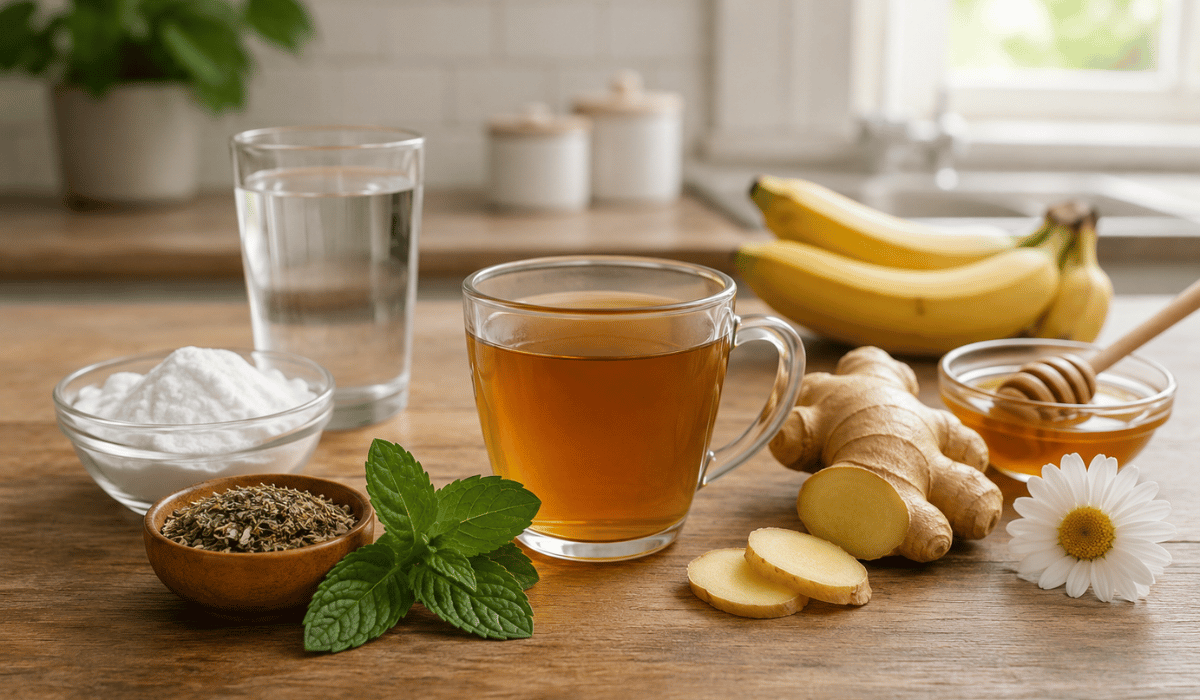
Alongside lifestyle changes, several home remedies have helped GERD patients find natural relief. While none of these are replacements for professional medical care, they can serve as useful tools in your symptom management routine.
Ginger Tea
Ginger has natural anti-inflammatory properties and has been used for digestive discomfort for centuries. Sipping a mild ginger tea (not too concentrated) before or after meals may help calm the digestive tract and reduce nausea associated with GERD. Avoid ginger ale, however, as carbonated drinks can worsen symptoms.
Aloe Vera Juice
Aloe vera is well known for its soothing properties on inflamed tissue. Some people with GERD find that drinking a small amount of food-grade aloe vera juice before meals helps reduce the burning sensation. If you try this, choose a product specifically intended for internal use and start with a small amount to assess tolerance.
Chewing Sugar-Free Gum After Meals
Chewing gum stimulates saliva production, and saliva is alkaline — it helps neutralize acid that has splashed into the esophagus. Studies have found that chewing sugar-free gum for thirty minutes after eating can reduce acid exposure in the esophagus. It is a simple, inexpensive, and surprisingly effective habit.
Baking Soda (Sodium Bicarbonate)
A small amount of baking soda dissolved in water acts as a fast-acting antacid. Because it is alkaline, it temporarily neutralizes stomach acid and provides quick relief from heartburn. However, this is not a long-term solution — baking soda is high in sodium and should not be used frequently, especially by patients managing hypertension or kidney issues.
Apple Cider Vinegar—Use with Caution
You will find many online recommendations to drink diluted apple cider vinegar for GERD. The idea is that in some people, GERD may be triggered by too little stomach acid, not too much. The evidence here is very limited, and for many patients with GERD, apple cider vinegar makes symptoms significantly worse. We advise caution with this remedy and recommend speaking with a physician before trying it.
What Foods May Help Soothe GERD?
Just as certain foods trigger GERD, others tend to be gentler on the esophagus. Building more of these into your diet can help reduce symptom frequency:
- Oatmeal—filling and low in acid, it absorbs stomach acid effectively
- Non-citrus fruits—bananas, melons, and pears are generally well-tolerated
- Leafy green vegetables — low in acid and high in fiber
- Whole grains — brown rice and whole wheat bread
- Herbal teas—chamomile and licorice root tea may have soothing effects (avoid mint teas)
When Natural Treatments Are Not Enough: When to See a Doctor
Learning how to treat GERD naturally is empowering, and for many patients, these strategies provide meaningful and lasting relief. However, GERD is a chronic condition, and there are situations where professional medical evaluation is not optional — it is necessary.
You should seek care promptly if you experience:
- Frequent symptoms more than twice a week that do not improve with lifestyle changes
- Difficulty or pain when swallowing
- Unexplained weight loss alongside reflux symptoms
- Vomiting blood or passing dark, tarry stools
- Chest pain that could indicate something beyond GERD (always rule out cardiac causes)
- Chronic cough or hoarseness that has not resolved
- Symptoms disrupting your sleep regularly
Untreated or undertreated GERD can progress to serious complications. Esophageal strictures, Barrett’s esophagus, and, in rare cases, esophageal cancer are all associated with long-term uncontrolled acid exposure. Early care makes a significant difference in outcomes.
At IAMACF’s Free Health Clinic in Chicago, our primary care team provides professional evaluation and a personalized treatment plan for patients managing GERD. We believe that access to quality healthcare should not be limited by financial barriers, which is why our services are available to uninsured and underserved community members at no cost.
How IAMACF Can Help You Manage GERD
Our clinic offers comprehensive primary care services, including management of chronic conditions like GERD, hypertension, diabetes mellitus, high cholesterol, and thyroid disorders. When you visit our clinic, you will meet with a team of trained medical students who conduct the initial assessment, followed by a review with an attending physician who creates your care plan.
We also provide access to lab services and medications as part of our commitment to whole-person community health. Whether you are just beginning to experience GERD symptoms or have been living with chronic reflux for years, our team is here to support you.
Frequently Asked Questions
Can GERD really be treated naturally without medication?
Yes, for many patients — especially those with mild to moderate GERD — consistent lifestyle changes and dietary adjustments can significantly reduce or even eliminate symptoms. However, the effectiveness varies by individual, and some people will need medication or other treatments alongside natural approaches. Always consult a physician for a proper diagnosis.
What is the fastest natural remedy for GERD relief?
Chewing sugar-free gum, drinking a small glass of water, or taking a baking soda solution can provide relatively quick relief during a reflux episode. For lasting management, lifestyle changes remain the most effective long-term strategy.
Are there sleeping positions that help with GERD?
Yes. Sleeping on your left side has been shown to reduce acid reflux compared to sleeping on your right side or on your back. Elevating the head of your bed by six to eight inches is also highly recommended for nighttime GERD.
How long does it take for lifestyle changes to improve GERD symptoms?
Many patients notice improvement within two to four weeks of making consistent dietary and lifestyle changes. However, it depends on the severity of your condition and how strictly the changes are followed. Full relief may take several months of sustained effort.
Is GERD the same as heartburn?
Heartburn is a symptom—the burning sensation in the chest or throat. GERD is the underlying chronic condition that causes recurring heartburn and other symptoms. Not everyone who experiences occasional heartburn has GERD, but frequent, persistent heartburn is the most common sign of GERD.
Can GERD come back after being treated naturally?
GERD is a chronic condition, which means symptoms can return if lifestyle habits slip back to old patterns. The key to long-term management is maintaining consistent habits rather than treating GERD as a short-term problem that gets “fixed” and forgotten.
Does IAMACF offer free care for GERD and other digestive conditions?
Yes, IAMACF is a free community health clinic serving uninsured and underserved patients in the Chicago area. Our primary care team manages a range of chronic conditions, including GERD. Call (872) 330-3627 or visit us at 2645 W Peterson Ave, Chicago, IL 60659.