
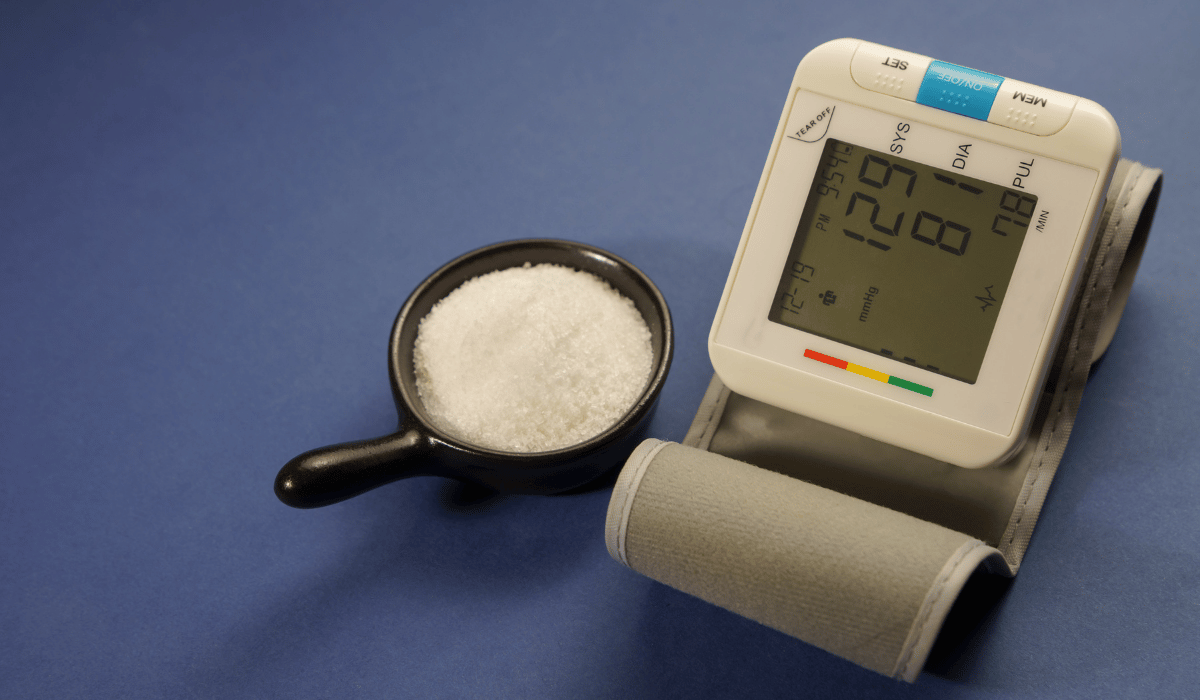
Salt is one of those ingredients we barely think about—a shake here, a pinch there—but it has an outsized effect on one of the body’s most important systems: the cardiovascular system. If you’ve ever been told to “watch your salt” by a doctor, there’s real science behind that advice, and understanding it can help you make small changes that add up to a healthier heart.
What Happens in the Body When You Eat Too Much Salt
Salt, or sodium chloride, plays a natural role in keeping fluid balance and nerve function in check. The problem starts when we consistently consume more than the body needs. Most of the sodium in the average American diet doesn’t come from the salt shaker—it comes from packaged, processed, and restaurant food, where sodium is used as a preservative and flavor enhancer.
When there’s excess sodium in the bloodstream, the body holds onto extra water to dilute it. That added fluid increases the total volume of blood moving through your blood vessels. More volume means more pressure pushing against the artery walls — and that’s essentially what blood pressure is measuring. Over time, this added strain can stiffen and narrow the arteries, making the heart work harder with every beat.
The Direct Link Between Sodium and Hypertension
Hypertension, or high blood pressure, rarely causes obvious symptoms in its early stages, which is part of why it’s often called a “silent” condition. But silent doesn’t mean harmless. Persistently high blood pressure gradually damages artery walls, forces the heart muscle to thicken and work harder, and raises the risk of serious complications including heart attack, stroke, and kidney disease.
Reducing sodium intake is one of the most well-established, non-medication ways to lower blood pressure. Even modest reductions — cutting back gradually rather than all at once — can lead to measurable drops in blood pressure readings over just a few weeks. For people who already have hypertension, or who are borderline, this single dietary change can make a real difference alongside any treatment plan a provider recommends.
Why Heart Health and Blood Pressure Are So Closely Connected
The heart and blood vessels work as one system. When blood pressure stays elevated for months or years, the heart has to pump against greater resistance constantly. This extra workload can lead to an enlarged heart muscle, reduced pumping efficiency, and eventually heart failure if left unmanaged. High sodium intake has also been linked to increased risk of stroke, independent of its effect on blood pressure, because of how it affects blood vessel function and fluid retention throughout the body.
This is why managing salt intake isn’t just about a number on a blood pressure cuff — it’s about protecting the long-term health of your heart, brain, and kidneys all at once.
Everyday Sources of Hidden Sodium
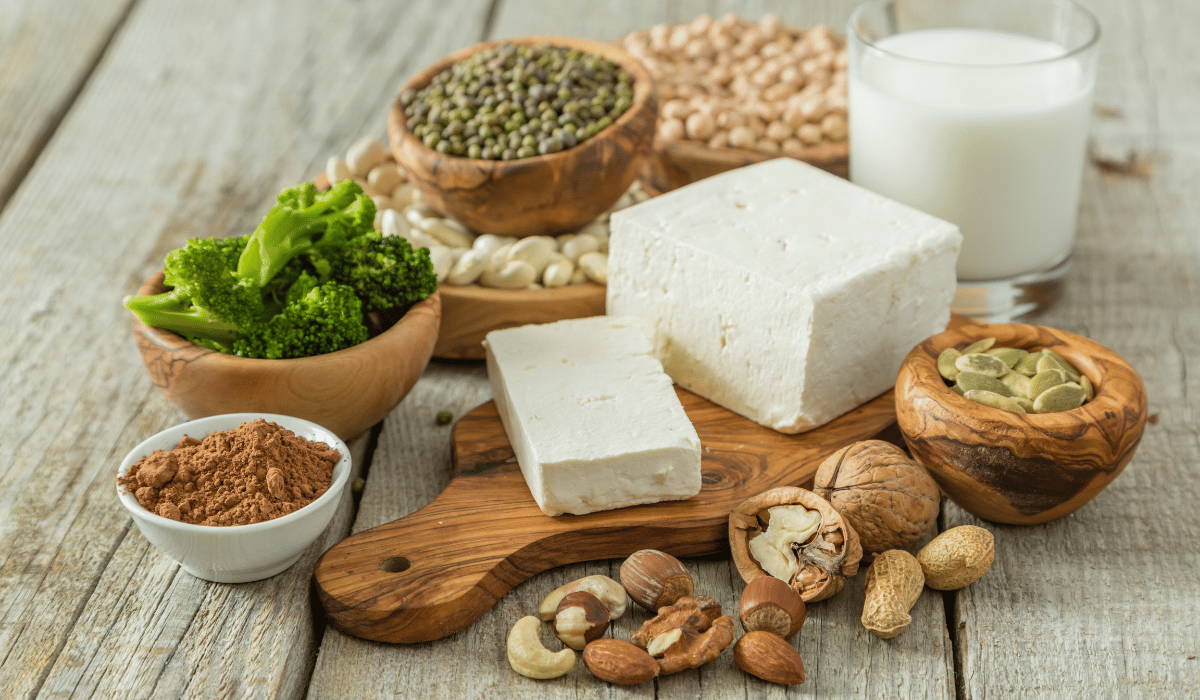
Many people are surprised to learn how much sodium is hiding in foods that don’t taste particularly salty. Common contributors include:
- Canned soups, broths, and vegetables
- Deli meats and cured meats
- Frozen dinners and packaged snacks
- Bread and bakery products (small amounts per serving that add up)
- Condiments like soy sauce, ketchup, and salad dressings
- Restaurant and fast food meals
Reading nutrition labels and comparing sodium content between similar products is one of the simplest ways to start cutting back without overhauling your entire diet.
Practical Ways to Reduce Salt Intake
- Cook more meals at home, where you control how much salt goes in.
- Rinse canned beans and vegetables under water to wash away a portion of added sodium.
- Season with herbs, spices, citrus, and garlic instead of relying on salt for flavor.
- Choose fresh or frozen produce over canned when possible.
- Compare labels and pick lower-sodium versions of everyday staples like bread, sauces, and canned goods.
- Limit fast food and processed snacks, which are typically the largest sodium contributors in a modern diet.
Small, consistent swaps tend to be more sustainable than dramatic changes, and your taste buds do adjust over time to prefer less salty food.
How IAMACF Supports Patients Managing Blood Pressure
At the IAMA Charitable Foundation Community Health Clinic, hypertension management is one of our core primary care services. Our team — medical students working under the supervision of attending physicians — takes time to review each patient’s blood pressure history, discuss diet and lifestyle factors like sodium intake, and build a manageable plan for care. For patients who need medication as part of their treatment, our on-site medications program helps make ongoing management more accessible. We also offer lab testing to help monitor related markers like cholesterol, which often needs attention alongside blood pressure for overall heart health.
Because IAMACF is a free clinic serving Chicago’s north-side communities, cost is never a barrier to getting checked, getting answers, and getting a plan in place.
Take Control of Your Blood Pressure Today
Managing sodium intake is one of the simplest, most effective steps you can take for your heart. If you’d like your blood pressure checked or want guidance on managing hypertension, the team at the IAMA Charitable Foundation Community Health Clinic is here to help—free of charge.
Frequently Asked Questions
How much sodium should I eat per day to protect my heart?
Health guidelines generally recommend limiting sodium intake and being especially mindful if you already have high blood pressure. Rather than counting every milligram, focus on cutting back processed and restaurant foods, since they contribute the majority of sodium in most diets, and season meals at home with herbs and spices instead.
Can cutting salt actually lower blood pressure that quickly?
Yes, for many people. Reducing sodium intake can lead to noticeable improvements in blood pressure readings within a few weeks, especially when combined with other habits like regular movement, adequate sleep, and limiting alcohol. Results vary by individual, so it helps to track changes with a provider over time.
Is sea salt or pink Himalayan salt healthier than regular table salt?
Not meaningfully. All forms of salt contain sodium chloride in similar proportions, so switching salt types doesn’t reduce your sodium intake. What matters more is the total amount used in cooking and how much comes from packaged or processed foods you eat.
I don’t add salt to my food. Could I still be eating too much sodium?
Absolutely. Most dietary sodium comes from processed, packaged, and restaurant meals rather than the salt shaker at home. Reading nutrition labels and comparing sodium content between brands is often more useful than simply avoiding the salt shaker.
When should I get my blood pressure checked?
Since high blood pressure often has no symptoms, regular checks are the only reliable way to catch it early. If you haven’t had your blood pressure checked recently, or if you have a family history of hypertension or heart disease, it’s a good idea to schedule a visit.