
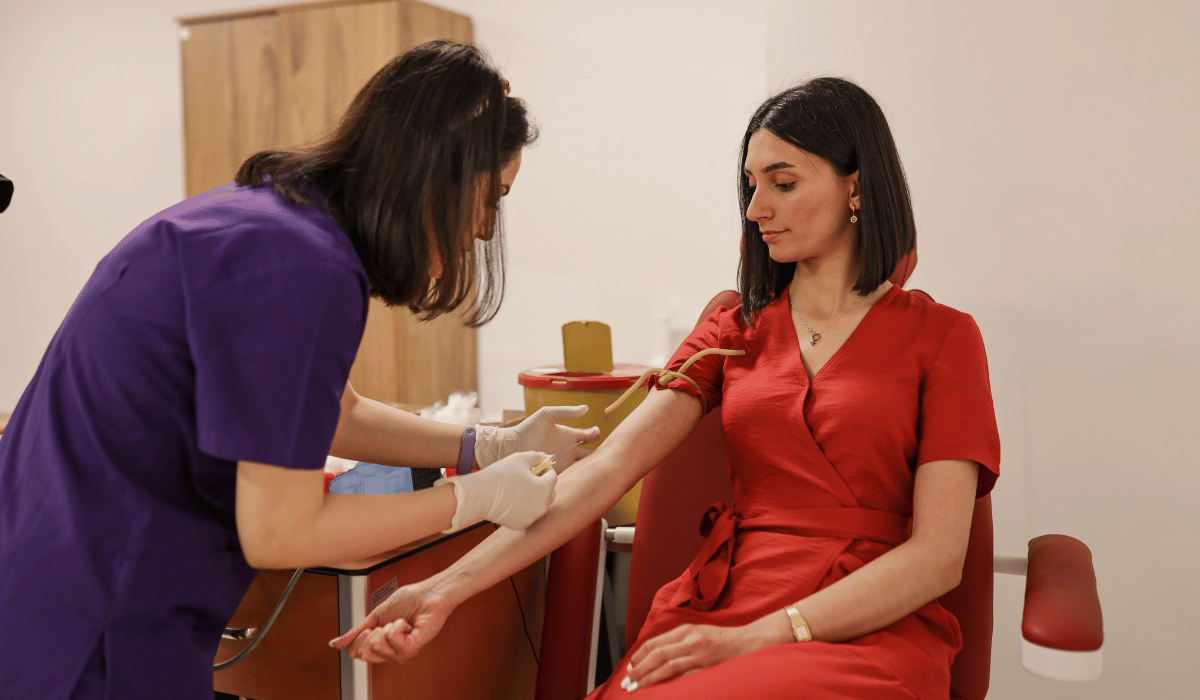
If you have been putting off checking your cholesterol because of cost, you are not alone. Millions of Americans skip routine blood work every year simply because they cannot afford it. But here is the thing — a lipid panel test is one of the most important tools your doctor uses to protect your heart. The good news? You do not need insurance or a lot of money to get one. Free community health clinics, like the IAMA Charitable Foundation Community Health Clinic (IAMACF) in Chicago, offer this test as part of their lab services — completely free of charge.
This guide walks new patients through everything they need to know: what a lipid panel actually measures, why it matters, and exactly how to get one at a free clinic without any confusion or stress.
What Is a Lipid Panel Test?
A lipid panel — sometimes called a lipid profile or cholesterol panel — is a simple blood test that measures the levels of different fats (lipids) circulating in your bloodstream. The test typically checks four key values:
- Total Cholesterol — the overall amount of cholesterol in your blood
- LDL (Low-Density Lipoprotein) — often called “bad” cholesterol because high levels can build up in artery walls
- HDL (High-Density Lipoprotein) — known as “good” cholesterol because it helps clear LDL from the arteries
- Triglycerides — a type of fat linked to diet, alcohol use, and metabolic health
Together, these four numbers give your care provider a clear picture of your cardiovascular risk. Abnormal results can signal high cholesterol, a condition known as hyperlipidemia, which significantly raises your risk for heart disease, stroke, and other serious health events if left unmanaged.
Why Getting Your Lipid Panel Matters
High cholesterol is a silent condition. There are no obvious symptoms — no pain, no fever, no warning signs you can feel. Many people walk around with dangerously high LDL levels for years without knowing it. By the time symptoms of heart disease appear, significant damage has often already occurred.
Routine cholesterol screening is how we catch the problem early. Medical guidelines generally recommend that adults get a lipid panel at least once every four to five years and more frequently if they have risk factors such as the following:
- A family history of heart disease or stroke
- Type 2 diabetes or prediabetes
- High blood pressure (hypertension)
- Being overweight or living a sedentary lifestyle
- Smoking
At IAMACF, high cholesterol is one of the five primary care conditions the clinic manages on an ongoing basis, alongside hypertension, diabetes mellitus, thyroid disorders, and gastroesophageal reflux disease (GERD). The lipid panel test is a core part of how the team monitors and manages these conditions for uninsured and underinsured patients.
Step-by-Step: How to Get a Lipid Panel Test at IAMACF
Step 1: Confirm Your Eligibility
IAMACF is a free community health clinic serving uninsured or underinsured patients in the Chicago area. If you do not have health insurance or cannot afford regular medical care, you are likely eligible for services. You do not need to be referred by another doctor. New patients are welcome.
Step 2: Know the Clinic Hours
Before you head in, check the schedule. IAMACF operates on the following hours:
- Tuesday – Thursday: 10 AM – 4 PM
- Friday: 5 PM – 9 PM
- Saturday – Sunday: 10 AM – 2 PM
- Closed on Mondays
One important detail for new patients: patient registration occurs only during the first 30 minutes of each open session. If you arrive after that window, you may not be seen that day. Plan to arrive early, especially on your first visit.
Step 3: Call Ahead or Walk In
You can schedule an appointment by calling (872) 330-3627, or you can walk in during clinic hours. Calling ahead is always a good idea if you have specific questions about fasting requirements or what to bring. The clinic is located at 2645 W Peterson Ave, Chicago, Illinois 60659.
Step 4: Prepare for the Test — Fasting Instructions
This is a step many first-time patients miss. A standard lipid panel test requires fasting for 9 to 12 hours before your blood draw. This means no food or calorie-containing drinks — just water — in the hours leading up to your appointment.
Why does fasting matter? The food you eat directly affects your triglyceride levels and can slightly influence your total cholesterol reading. Fasting ensures the results reflect your baseline lipid levels rather than a temporary spike from a recent meal.
What you can do before the test:
- Drink plain water freely — staying hydrated is fine
- Take your regular medications unless your doctor has told you otherwise
- Get a good night’s sleep
What to avoid:
- Food or snacks
- Coffee, juice, or any drink with calories
- Alcohol for at least 24 hours before the test
If you forget to fast and still come in, let the clinic staff know. They may still be able to draw blood and note that the sample was non-fasting, or they may ask you to return on another day.
Step 5: The Blood Draw
At the clinic, a trained member of the lab team will draw a small sample of blood from a vein in your arm. The process takes only a few minutes. You may feel a brief pinch, but it is generally quick and straightforward.
IAMACF’s lab services include a full lipid panel as part of their blood work offerings, alongside a basic metabolic profile, a comprehensive metabolic profile, a complete blood count, a haemoglobin A1C, and TSH testing. This means that on the same visit, your provider may order additional tests based on your health history — saving you time and multiple trips.
Step 6: Wait for Your Results
Lab results are typically reviewed by a volunteer physician at the clinic. Once your results are ready, your provider will go over the numbers with you directly, explaining what each value means in the context of your overall health.
This is not a situation where you receive a printout and are left to interpret it alone. The physicians at IAMACF provide real, face-to-face primary care — meaning they will discuss your results, answer your questions, and create a management plan if your numbers are outside the healthy range.
Step 7: Understand Your Results
Here are the general reference ranges your provider will likely discuss:
| Measurement | Desirable Level |
|---|---|
|
Total Cholesterol |
Less than 200 mg/dL |
|
LDL Cholesterol |
Less than 100 mg/dL |
|
60 mg/dL or higher |
|
|
Triglycerides |
Less than 150 mg/dL |
These ranges can shift depending on your individual health profile. Someone with diabetes or existing heart disease, for example, may have a lower LDL target. Your doctor will give you personalized guidance.
Step 8: Follow Up With a Care Plan
If your lipid panel comes back with elevated levels, the conversation does not stop there. IAMACF’s primary care team can help you develop a realistic plan to bring your cholesterol under control. This might include:
- Lifestyle recommendations — dietary changes, increasing physical activity, and stopping smoking
- Medication management — IAMACF provides access to medications through their on-site pharmacy program, which may include statins and other cholesterol-lowering treatments
- Ongoing monitoring — repeat lipid panels to track your progress over time
The clinic also connects patients with specialty care when needed through their specialty clinics programme, which covers a broader range of health conditions beyond primary care.
Who Should Prioritise Getting a Lipid Panel?
While everyone benefits from knowing their cholesterol numbers, certain groups have an especially urgent reason to get tested:
- Adults over 40 who have never had a cholesterol check
- Anyone managing diabetes, hypertension, or thyroid disorders
- People with a first-degree relative who had a heart attack before age 55
- Patients who have noticed unexplained weight gain or fatigue
- Individuals dealing with chronic stress or poor sleep, both of which can affect lipid levels
If you fall into any of these categories and have been avoiding the test because of cost, IAMACF removes that barrier entirely.
Final Thoughts
A lipid panel test is a small step with a big impact. Knowing your cholesterol numbers gives you and your care team the information you need to protect your heart — before a problem becomes a crisis. At IAMACF, that step is completely accessible, no matter your financial situation.
If you are a new patient in the Chicago area, walk through the doors at 2645 W Peterson Ave during registration hours, or call (872) 330-3627 to get started. The team is there to help you understand your health and take meaningful action — one test at a time.
Frequently Asked Questions
Do I need insurance to get a lipid panel test at IAMACF?
No, you do not need insurance. IAMACF is a free community health clinic serving uninsured and underinsured patients. The lipid panel test is offered at no cost as part of their lab services. Simply arrive during patient registration hours, and the team will assist you.
How long does it take to get lipid panel results at the clinic?
The blood draw itself takes only a few minutes. Results are reviewed by a physician during your visit or shortly after, depending on clinic volume. Your provider will walk you through the findings and explain what your cholesterol numbers mean for your health.
Can I eat or drink before my lipid panel test?
You should fast for 9 to 12 hours before a standard lipid panel. Drinking plain water is encouraged. Avoid food, juice, coffee, or alcohol before the test so your triglyceride and cholesterol results accurately reflect your baseline levels and are not influenced by recent meals.
What happens if my cholesterol levels are high after the test?
Your IAMACF provider will discuss the results with you and recommend next steps. This may include dietary changes, exercise guidance, or medication. The clinic has an on-site medication programme and can support ongoing management of high cholesterol through regular follow-up visits.
How often should I get a lipid panel test?
For most adults, every four to five years is the standard recommendation if results are normal. If you have risk factors like diabetes, hypertension, or a family history of heart disease, your doctor may recommend annual testing. IAMACF can help establish an appropriate monitoring schedule.