
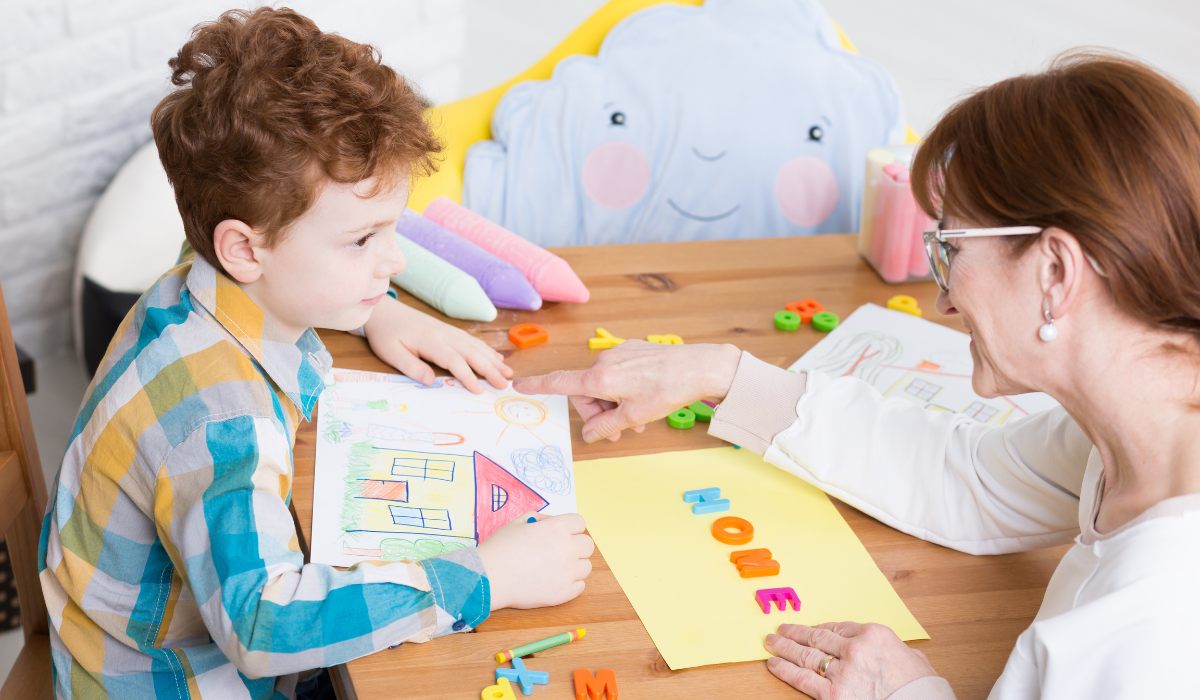
Community healthcare is about more than treating illness. It is about understanding people, families, culture, and daily life challenges. For many underserved and underprivileged families, access to consistent and personalised healthcare can be difficult. This is where in-home Applied Behaviour Analysis (ABA) therapy plays an important role. It brings professional behavioural support directly into the home and becomes a natural extension of community-based healthcare services.
In this article, we will talk simply and clearly about what in-home ABA therapy is, why it matters in community healthcare, and how it supports families, children, and healthcare organisations working together for better outcomes.
Understanding In-Home ABA Therapy
ABA therapy is a scientifically proven approach that helps individuals, especially children with autism and developmental delays, learn positive behaviours and reduce challenging ones. It focuses on improving communication, social skills, daily living skills, and emotional regulation.
In-home ABA therapy means these services are provided in the child’s own home instead of a clinic. This allows therapy to happen in a familiar and comfortable environment. Children feel more relaxed, parents can observe and participate, and therapists can work on real-life situations that happen every day.
The goal is not just short-term improvement but long-lasting skills that help the child function better at home, in school, and in the community.
Why Community Healthcare Needs In-Home ABA Therapy
Community healthcare centres often serve families who face multiple challenges. These may include limited financial resources, lack of insurance, language barriers, transportation issues, and cultural differences. In such situations, travelling to therapy clinics several times a week is not always possible.
In-home ABA therapy helps bridge this gap by:
- Bringing care directly to the family
- Reducing missed appointments due to travel issues
- Supporting families who may feel overwhelmed
- Offering culturally sensitive care within the home
This approach supports the core mission of community healthcare, which is to provide accessible, respectful, and effective care for everyone.
Supporting Underserved and Uninsured Families
Many families in underserved communities delay or avoid behavioural therapy due to cost and accessibility concerns. Community healthcare organisations aim to reduce these barriers, and in-home ABA therapy fits well into this goal.
By partnering with community clinics, ABA providers can help families understand autism and behaviour challenges in a supportive way. Parents learn how to respond to behaviours, encourage positive actions, and create routines that work for their household.
This support can reduce stress, improve family relationships, and create a more stable home environment.
Family-Centered Care at Its Best
One of the biggest strengths of in-home ABA therapy is that it is family-centred. Parents, carers, and siblings are not just observers; they are part of the process.
Therapists can:
- Teach parents simple strategies they can use every day
- Help families build consistent routines
- Address behaviors where they actually happen
- Adjust therapy plans based on family needs
This collaboration builds confidence in parents and empowers them to support their child beyond therapy hours.
Cultural Sensitivity in Community Healthcare

Community healthcare serves people from many cultural backgrounds. Beliefs about health, child development, and therapy can vary widely. In-home ABA therapy allows providers to better understand and respect these differences.
When therapy happens at home, professionals gain insight into:
- Family values and traditions
- Communication styles
- Household routines
- Cultural expectations
This understanding helps therapists provide care that feels respectful and relevant. Families are more likely to trust and engage with services that acknowledge their culture and experiences.
Collaboration Between Medical and Behavioral Care
Community healthcare works best when different services support each other. In-home ABA therapy complements primary care, speciality clinics, and preventive health programmes.
For example:
- Pediatricians can refer children for behavioral support early
- Clinics can coordinate care plans with ABA providers
- Therapists can share progress updates with healthcare teams
This teamwork ensures that children receive holistic care that supports both physical and behavioural health.
Reducing Long-Term Healthcare Burden
Early and consistent ABA therapy can reduce the need for more intensive services later in life. When children learn communication and coping skills early, they are less likely to experience severe behavioral challenges in the future.
These benefits:
- Families, by reducing stress and uncertainty
- Schools, by supporting better learning outcomes
- Healthcare systems, by lowering long-term care costs
In-home ABA therapy is not just a treatment option. It is an investment in healthier futures.
Helping Children Thrive in Real-Life Settings
Skills learnt in a clinic do not always transfer easily to home or school. In-home ABA therapy solves this problem by teaching skills that are actually used.
Children can practise:
- Daily routines like dressing and eating
- Communication during family interactions
- Social skills with siblings
- Managing emotions during real situations
This practical approach leads to meaningful progress that families can see and feel.
Strengthening Community Health Outcomes
When families receive the right support, communities grow stronger. In-home ABA therapy helps children become more independent and confident, which positively impacts schools, neighbourhoods, and community programmes.
Community healthcare organisations that support behavioural services show a commitment to whole-person care. This builds trust and encourages families to seek help early rather than waiting for problems to grow.
The Role of Professional ABA Providers
The best ABA therapy service providers bring training, experience, and compassion into the home. They work closely with families, respect community values, and follow ethical standards.
A quality in-home ABA programme focuses on:
- Individualized treatment plans
- Clear communication with families
- Ongoing assessment and improvement
- Collaboration with healthcare providers
This professional approach ensures that services are effective and aligned with community healthcare goals.
Looking Toward the Future of Community Healthcare
As community healthcare continues to evolve, the integration of behavioural health services will become even more important. In-home ABA therapy is a model that works because it is flexible, personal, and practical.
By meeting families where they are, healthcare providers can deliver care that truly makes a difference. This approach supports early intervention, family education, and long-term well-being.
Conclusion
In-home ABA therapy plays a meaningful role in community healthcare by supporting underserved families, improving access to care, and strengthening collaboration between medical and behavioural services. It brings professional support into the home, respects cultural differences, and empowers families to help their children succeed.
For community healthcare organisations, embracing in-home ABA therapy means extending care beyond clinic walls and into the everyday lives of the people they serve. It is a powerful step toward healthier families and stronger communities.