

Winter arrives with cosy blankets, warm drinks, holiday celebrations, and snow-covered streets. It’s a season many people look forward to, but it also brings challenges for our health. Short days, cold winds, indoor gatherings, and the prevalence of seasonal viruses make winter a time when people fall ill more often. Across the U.S., many people report higher cases of the common cold and flu, as well as lower energy levels, during these months.
So, how can you enjoy winter without constant sickness, fatigue, or low immunity?
The answer lies in strengthening your immune system. Think of immunity as your body’s defence team. When it is strong, it fights off infections easily. When it’s weak, even a simple cold can knock you down for days.
This article is a simple, user-friendly winter immunity guide created especially for people in the USA, where winters can vary from extreme snowstorms to mild cold, depending on the state. Here you will learn how winter affects your immune system and practical habits you can follow to stay healthy without overcomplicating your routine.
Why Does Immunity Drop in Winter?
In winter, several factors make the body more vulnerable to illness:
- Cold air dries out the nose and throat, making it easier for germs to enter.
- People spend more time indoors, increasing the spread of viruses.
- Reduced sunlight leads to lower Vitamin D levels.
- Holiday stress, overeating, and irregular sleep patterns weaken immunity.
- Motivation to exercise decreases due to cold weather.
These challenges are natural, but they can be managed with daily habits that support immunity and overall wellness.
Boost Your Diet With Immunity-Building Foods
- Winter is the perfect time to improve your nutrition. Instead of depending only on supplements, focus on whole foods that warm the body and strengthen immunity.
- Foods rich in Vitamin C are powerful cold fighters: oranges, lemons, strawberries, broccoli, bell peppers, and kiwis should be part of your meals frequently.
- Healthy fats such as avocados, nuts, seeds, and olive oil help your body absorb nutrients better. Many Americans enjoy adding nuts to breakfast or salads — a simple step that supports immune function.
- Complex carbohydrates like oats, quinoa, brown rice, and sweet potatoes provide slow energy release, keeping you fuller for longer and preventing winter fatigue.
- Bone broth and soups are widely loved winter foods across U.S. households. They improve gut health, soothe the throat, and keep the body warm.
- Garlic, ginger, and turmeric have natural anti-inflammatory and antibacterial properties. Add them to soups, teas, or curry for daily immune support.
- Fermented foods like yoghurt, kefir, sauerkraut, and kimchi promote gut health. Since much of our immunity lives in the gut, this becomes especially important.
- You don’t need to change your entire diet overnight. Start simple: add one immune-boosting food to your meals each day.
Stay Hydrated Even If You Don’t Feel Thirsty
During winter, the body tends to feel less thirsty, but dehydration can still occur. This leads to dry skin, tiredness, and weaker immune function. Keeping a warm drink nearby makes it easy to stay hydrated throughout the day.
Hydrating winter drinks include warm water with lemon and honey, herbal tea, green tea, turmeric milk, chicken broth, vegetable broth, or even a lighter version of hot chocolate.
Aim for six to eight cups of water or hydrating fluids daily. The key is to drink regularly, even when you don’t feel thirsty.
Increase Your Vitamin D Intake

Many people in the U.S., especially in northern states with long winters, experience low sunlight exposure. Reduced sunlight means lower Vitamin D production, which affects immunity, bone health, and even mood.
Ways to increase Vitamin D naturally:
- Spend 10 to 20 minutes in sunlight whenever possible.
- Eat foods like eggs, salmon, tuna, fortified cereals, and fortified milk.
- Ask a healthcare professional about supplements if needed.
Vitamin D is essential for winter wellness, so pay attention to it throughout the season.
Keep Moving — Exercise is a Natural Immunity Booster
Cold weather often reduces motivation, but staying active is one of the most effective ways to boost immunity. Exercise improves circulation, releases feel-good hormones, maintains weight, and strengthens the body.
You don’t need a gym membership or intense workout plans. Small daily movement makes a big difference.
Try morning walks, indoor yoga, online workout sessions, stretching, dancing, Zumba, skipping rope, home training routines, or winter outdoor sports. Ice skating, sledding, and snow hiking are popular winter activities in many U.S. regions.
Aim for 20–30 minutes of physical activity daily. The goal is to avoid long hours of sitting and keep your body active.
Prioritize Good Sleep
Sleep plays a major role in immunity. During deep rest, the body repairs tissues, builds immunity cells, and restores energy. Winter often tempts us to stay up late, especially during holiday excitement or when binge-watching shows.
To sleep better during winter:
- Maintain a regular sleep schedule.
- Reduce screen time before bed.
- Keep your bedroom dark and comfortably warm.
- Drink calming beverages such as chamomile tea.
- Avoid heavy late-night meals.
Seven to nine hours of sleep daily supports a strong immune system.
Manage Stress for a Stronger Immune System
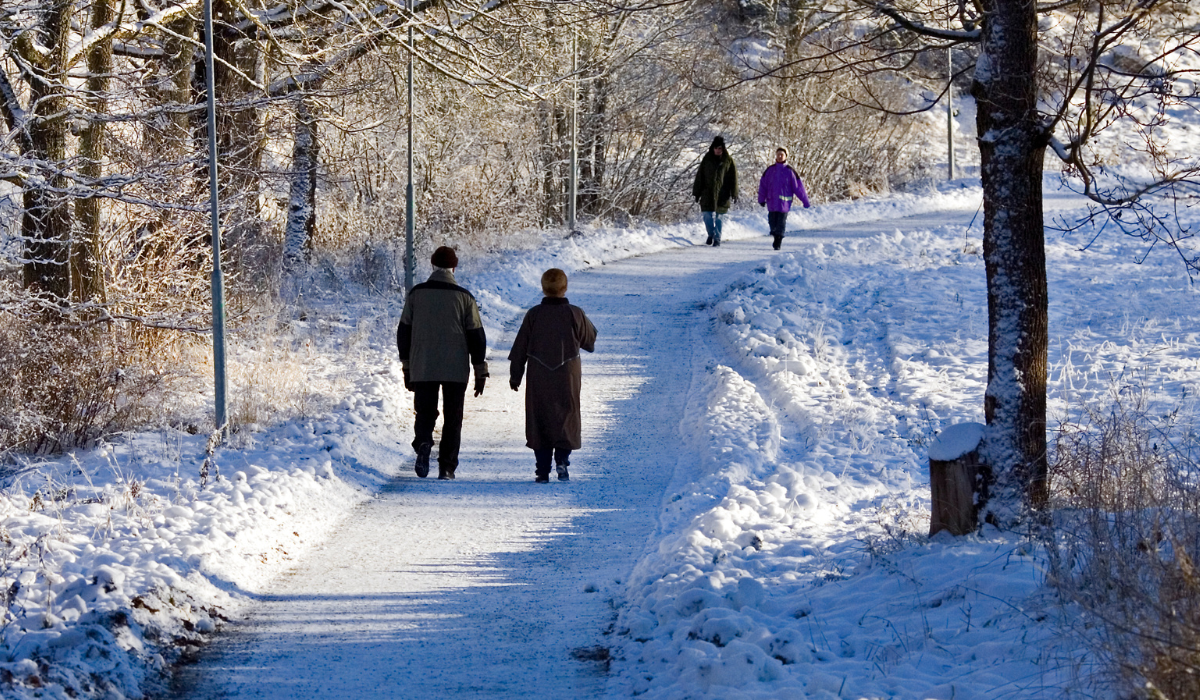
Winter can bring emotional challenges, from seasonal mood changes to holiday stress. Stress has a direct impact on immunity — when the mind is tense, the body’s defense system weakens.
Incorporate simple relaxation practices:
- Deep breathing or meditation
- Reading a book
- Listening to soothing music
- Spending time outdoors
- Talking to loved ones
- Practicing gratitude journaling
Joy and relaxation are underrated immunity boosters. Make time for things that make you feel good.
Practise Basic Winter Hygiene
Winter is also flu season in the U.S., so simple hygiene can prevent infections effectively.
Good practices include:
- Washing hands frequently with soap
- Using sanitizer while traveling or shopping
- Avoid touching your face with unwashed hands
- Cleaning frequently used surfaces
- Covering the mouth while coughing or sneezing
- Replace masks when sick or crowded indoors
Small hygiene habits offer big protection.
Dress Warmly and Protect Your Body From Cold Air
Exposure to cold weather can weaken the immune system. Dressing in layers is the best approach, especially in states experiencing snow and freezing temperatures.
Winter dressing essentials include warm coats, thermals, scarves, socks, gloves, boots, and insulated outerwear. A comfortable layered outfit helps maintain body warmth and prevent seasonal illness.
Reduce Excess Sugar and Processed Foods
Winter cravings are real, especially during the festive season filled with cookies, cakes, and holiday meals. While enjoying treats occasionally is perfectly fine, too much sugar weakens immunity and contributes to inflammation.
You can make healthier choices by:
- Replacing soda with tea or warm flavored water
- Choosing dark chocolate over high-sugar candy
- Preparing snacks at home rather than buying packaged ones
- Satisfying sweet cravings with fruits when possible
Balance, not extreme restriction, is the goal. Enjoy treats mindfully.
Treat Early Symptoms Instead of Ignoring Them
If you notice signs like sore throat, chills, runny nose, or body ache, take them seriously. Early care prevents mild issues from turning into severe infections.
Steps to take:
- Rest well
- Increase warm fluids
- Eat nourishing meals
- Try warm salt-water gargles
- Contact a doctor if symptoms worsen
Timely response speeds up recovery.
Final Thoughts
Staying healthy in winter is not about complex routines. Simple, consistent habits can strengthen your immunity naturally. Eat nourishing foods, stay hydrated, get sunlight, keep your body moving, sleep well, dress warmly, manage stress, and maintain hygiene.
When you take care of yourself step-by-step, your body becomes stronger, winter feels lighter, and your days become more enjoyable.
Winter can be beautiful — snowy landscapes, cozy evenings, family gatherings, warm drinks, and peaceful, quiet mornings. You deserve to experience it feeling healthy, energetic, and confident.
FAQ’s
Why do people fall sick more often in winter?
People get sick more often in winter due to cold air, low Vitamin D from less sunlight, staying indoors more, and reduced hydration. These conditions allow viruses to spread easily and weaken immunity, making the body more vulnerable to infections like cold and flu.
What are the best foods to boost immunity in winter?
Foods rich in Vitamin C, like oranges, berries, bell peppers, and kiwis, help. Add garlic, ginger, turmeric, nuts, seeds, yoghurt, soups, bone broth, and whole grains. These provide antioxidants and nutrients to support the immune system and keep the body warm.
How can I stay hydrated in winter when I’m not thirsty?
Keep a warm drink like herbal tea or lemon water near you throughout the day. Sip regularly even without thirst. Aim for six to eight cups of fluids, including soups and broth, to maintain hydration and support immune function.
How does Vitamin D help during winter?
Vitamin D strengthens immunity, supports bones, and improves mood. In winter, sunlight decreases, so intake must be maintained through brief sun exposure, foods like eggs and salmon, or supplements if needed. Low Vitamin D is common in colder U.S. regions.
What type of exercise is good for winter?
Any regular movement helps, like brisk walking, home workouts, yoga, stretching, or winter sports. Aim for 20–30 minutes daily to boost blood circulation, energy, and immunity. Indoor routines work well when outdoor conditions are too cold or snowy.
How can I sleep better in the winter season?
Maintain a fixed sleep schedule, reduce screen time at night, create a cozy sleeping environment, and avoid late heavy meals. Herbal teas like chamomile can relax you. Proper rest allows the body to repair itself and supports immunity.
What can I do if I start developing cold or flu symptoms?
Rest well, increase warm fluids, eat light nutritious food, and consider salt-water gargles for sore throat relief. Treat symptoms early instead of ignoring them. If conditions worsen or persist, consult a healthcare professional for proper guidance.