
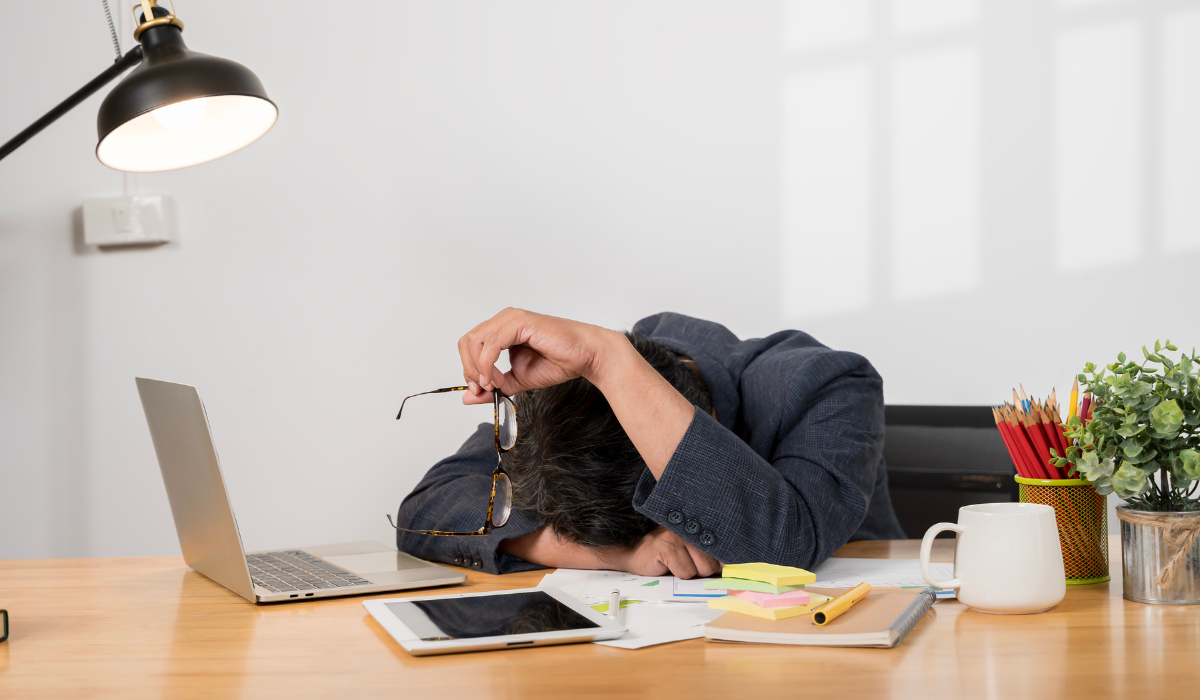
For a long time, I thought I was just tired.
Not “I need a good night’s sleep” tired—but the kind of tired that stays even after resting. My body felt heavy. My mind felt foggy. Simple tasks felt overwhelming. I was always irritated, emotionally drained, and strangely disconnected from myself.
People around me said, “Everyone is stressed.”
So I told myself to push harder.
That’s when I learnt about Stress-Related Exhaustion Disorder (SRED)—and realised what I was going through had a name, a reason, and most importantly, a way to heal.
This is my story, and if you’re reading this feeling exhausted in ways sleep can’t fix, you might see yourself in it too.
What Is Stress-Related Exhaustion Disorder?
Stress-Related Exhaustion Disorder is not just normal stress. It’s what happens when long-term stress overloads your mind and body until they can’t cope anymore.
This doesn’t happen overnight.
It builds slowly—day by day—until one day you wake up and feel like you have nothing left to give.
Unlike regular tiredness, exhaustion disorder affects:
- Your energy
- Your memory
- Your emotions
- Your physical health
- Your ability to enjoy life
And no matter how hard you try, you just can’t “push through” it.
How It Started for Me (And Maybe for You)
Looking back, the signs were always there.
I was:
- Working constantly
- Always saying “yes”.
- Carrying responsibilities without breaks
- Ignoring my emotions
- Putting everyone else first
At first, stress felt manageable. Then it became normal. Then it became overwhelming.
I noticed:
- I was always tired, even after sleeping
- My concentration was poor
- Small problems felt huge
- I became forgetful
- My patience disappeared
- I didn’t feel like myself anymore
But I kept going.
Until my body forced me to stop.
Common Symptoms of Stress-Related Exhaustion Disorder
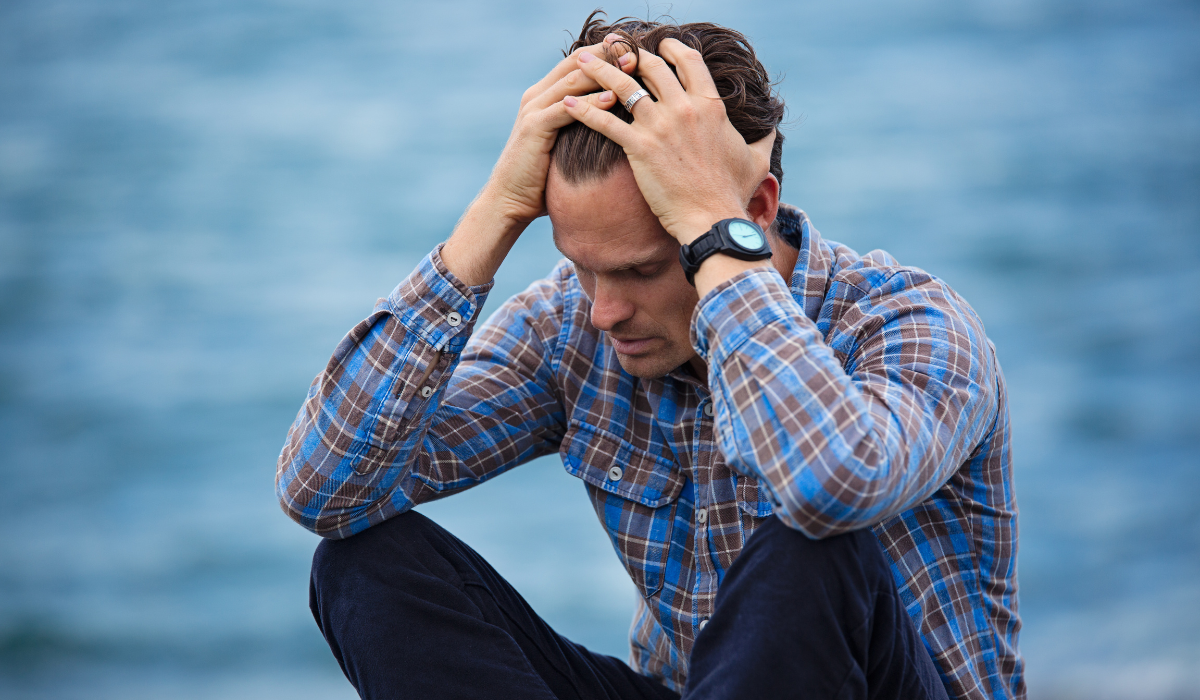
Everyone experiences it differently, but these are some common signs I experienced—and many others do too:
Mental and Emotional Symptoms
- Constant mental fatigue
- Brain fog
- Anxiety or panic
- Feeling emotionally numb
- Irritability and mood swings
- Feeling overwhelmed easily
- Loss of motivation
Physical Symptoms
- Extreme tiredness
- Headaches
- Muscle pain
- Dizziness
- Digestive problems
- Sleep disturbances
- Frequent illnesses
Daily Life Struggles
- Difficulty focusing at work
- Trouble making decisions
- Forgetting simple things
- Avoiding social interaction
- Feeling guilty for resting
The hardest part?
You often look fine on the outside, while everything inside feels broken.
Why Stress-Related Exhaustion Is Often Ignored
One of the reasons I didn’t get help sooner was that stress is normalised.
We’re told:
- “Be strong.”
- “Hustle harder.”
- “Everyone is busy.”
- “Rest later.”
So we ignore warning signs.
But exhaustion disorder isn’t weakness.
It’s your body saying, “I can’t keep doing this.”
And ignoring it only makes recovery harder.
The Turning Point: Accepting That I Needed Help
The biggest step toward healing was acceptance.
I had to admit:
- I wasn’t okay
- I couldn’t do everything
- Rest was not laziness
- Healing takes time
This wasn’t easy. I felt guilty for slowing down. I felt scared of losing control. But continuing the same way was no longer an option.
That’s when healing truly began.
How to Heal from Stress-Related Exhaustion Disorder
Healing is not fast.
And it’s not linear.
But it is possible.
Here’s what helped me—and what many professionals recommend.
Slow Down Without Guilt
This was the hardest lesson.
Healing requires real rest, not scrolling on your phone or thinking about work while lying in bed.
I had to:
- Reduce workload
- Say ‘no’ more often
- Take breaks seriously
- Stop multitasking constantly
Rest is not optional during recovery.
It’s treatment.
Rebuild Your Energy Gently
When you’re exhausted, pushing harder only drains you more.
I started with:
- Short walks
- Light stretching
- Breathing exercises
- Simple routines
Not intense workouts.
Not productivity goals.
Just gentle movement to reconnect with my body.
Improve Sleep (Without Pressure)
Sleep problems are common with exhaustion disorder.
Instead of forcing sleep, I focused on:
- Going to bed at the same time
- Reducing screen time before bed
- Creating a calm night routine
- Letting go of perfection
Some nights were still hard—and that’s okay.
Healing sleep takes patience.
Learn to Manage Stress Differently
Stress won’t disappear—but how you respond to it can change.
Helpful tools included:
- Mindfulness
- Meditation
- Journaling
- Therapy or counseling
- Deep breathing techniques
I learnt to notice stress before it overwhelmed me.
That awareness changed everything.
Set Healthy Boundaries
This was life-changing.
I learnt to:
- Say no without explaining
- Stop overcommitting
- Take breaks without apologising.
- Protect my time and energy
Boundaries are not selfish.
They’re necessary for survival and healing.
Talk to Someone You Trust
Exhaustion disorder can feel lonely.
Talking helped me realise:
- I wasn’t weak
- I wasn’t alone
- Others understood more than I expected
Whether it’s:
- A friend
- A family member
- A therapist
- A support group
Sharing your experience lightens the emotional load.
Be Patient with the Healing Process
This is not a quick fix.
Some days I felt better.
Some days I felt stuck again.
Healing from stress-related exhaustion happens in small steps, not big leaps.
And that’s okay.
What Healing Really Looks Like
Healing doesn’t mean:
- Never feeling stressed again
- Being productive all the time
- Becoming a “new person”.
Healing means:
- Listening to your body
- Respecting your limits
- Feeling present again
- Finding joy in small moments
- Living without constant exhaustion
It’s about balance—not perfection.
If You Think You Might Have Stress-Related Exhaustion Disorder
Please hear this:
You are not lazy.
You are not broken.
You are not failing.
Your body is responding to prolonged stress, the only way it knows how.
And with the right care, support, and patience, you can recover.
A Message to Anyone Reading This
If this article feels personal, that’s not a coincidence.
Stress-related exhaustion disorder often affects people who:
- Care deeply
- Work hard
- Carry responsibility
- Put others first
But even the strongest people need rest.
Healing starts when you stop fighting your exhaustion—and start listening to it.
You deserve rest.
You deserve support.
You deserve to feel like yourself again.
And step by step, you can get there.
FAQ’s
Is Stress-Related Exhaustion Disorder a medical diagnosis?
Yes, in some countries, it is recognised by healthcare professionals as a stress-related condition. Doctors assess symptoms, stress history, and daily functioning before diagnosis. A proper evaluation helps rule out other conditions like depression, thyroid problems, or chronic fatigue syndrome.
How long does it usually take to recover from exhaustion disorder?
Recovery time varies from person to person. Some people feel improvement in a few months, while others need a year or more. Healing depends on stress reduction, lifestyle changes, emotional support, and how early the condition is addressed.
Can Stress-Related Exhaustion Disorder return after recovery?
Yes, relapse is possible if old stress patterns return. That’s why learning stress management, setting boundaries, and recognising early warning signs is important. Recovery is not just about resting—it’s about changing how you handle pressure long-term.
Is Stress-Related Exhaustion Disorder the same as burnout?
They are closely related but not exactly the same. Burnout mainly affects work life, while stress-related exhaustion impacts the entire body and mind. Exhaustion disorder often includes physical symptoms and continues even after work-related stress is reduced.
Should I take medication for stress-related exhaustion?
Medication is not always required. Some people benefit from treatment for sleep, anxiety, or depression if symptoms are severe. A healthcare professional decides this based on individual needs. Lifestyle changes and therapy are usually the main parts of recovery.
Can stress-related exhaustion affect young adults or students?
Yes, it can affect anyone, including students and young professionals. Academic pressure, career uncertainty, financial stress, and constant performance expectations can overload the nervous system. Age does not protect against long-term stress and emotional exhaustion.
Can diet and nutrition help with exhaustion recovery?
Proper nutrition supports recovery by stabilising energy levels and brain function. Eating regular meals, staying hydrated, and avoiding excessive caffeine or sugar can help reduce fatigue. While diet alone won’t cure exhaustion, it plays an important supportive role.