

When it comes to taking care of your eyes, you may find yourself wondering, “Do I need to see an optometrist or an ophthalmologist?” In actuality, each of these specialists is crucial to eye care, but their backgrounds, services, and areas of speciality are different. Understanding these differences can help you make better decisions for your eye health and avoid unnecessary confusion or appointments.
Let’s break it down in a simple, user-friendly way so you know exactly who to visit and when.
Understanding the Basics
Your eyes are delicate, complex organs. They’re responsible not only for vision but also for processing information that impacts your overall health. Eye care professionals are trained to help keep your eyes healthy and your vision clear, but not all eye care providers offer the same services.
Optometrists and ophthalmologists are the two primary categories of eye care professionals. There are also opticians, who play a different but important role. Let’s start by understanding what each does.
What Is an Optometrist?
A medical practitioner who specialises in primary vision care is an optometrist. They usually hold a Doctor of Optometry (OD) degree and are trained to examine your eyes, diagnose vision problems, prescribe corrective lenses, and detect certain eye conditions.
Services an optometrist provides:
- Comprehensive eye exams: Checking your vision and overall eye health.
- Prescription lenses: Glasses or contact lenses for vision correction.
- Vision therapy: Exercises to improve focusing, eye coordination, or binocular vision.
- Early detection of eye diseases, Such as glaucoma, macular degeneration, or diabetic retinopathy.
- Management of certain eye conditions, Like dry eye, eye infections, or minor injuries.
What optometrists don’t typically do:
- They generally do not perform complex eye surgeries.
- While they can detect serious conditions, they often refer patients to an ophthalmologist for treatment of major eye diseases.
When to see an optometrist:
- You need a routine eye exam.
- Your vision has changed, and you need glasses or contacts.
- You have mild eye irritation or dry eyes.
- You want preventative eye care or advice on maintaining eye health.
What Is an Ophthalmologist?
A medical doctor (MD) or doctor of osteopathy (DO) with a focus on eye and vision treatment is known as an ophthalmologist. Compared to an optometrist, they have received more intensive instruction. After medical school, they complete a residency in ophthalmology, and many also complete additional fellowship training in areas like retina, glaucoma, cornea, or paediatric ophthalmology.
Services an ophthalmologist provides:
- Medical eye care: Treating eye diseases and infections with medication or therapy.
- Surgical procedures: Performing surgeries for cataracts, glaucoma, LASIK, retinal disorders, or eye injuries.
- Comprehensive eye exams: Detecting eye diseases and vision problems.
- Management of complex conditions: Diabetic retinopathy, macular degeneration, eye cancers, or trauma cases.
What ophthalmologists don’t typically do:
Routine vision correction can be done by ophthalmologists, but it’s often handled by optometrists unless it involves a medical issue.
When to see an ophthalmologist:
- You have an eye disease that may require surgery or advanced treatment.
- You experience sudden changes in vision, eye pain, or trauma.
- You need specialised care for conditions like cataracts, glaucoma, or macular degeneration.
- Your optometrist refers you for advanced treatment.
Optometrist vs. Ophthalmologist: Key Differences
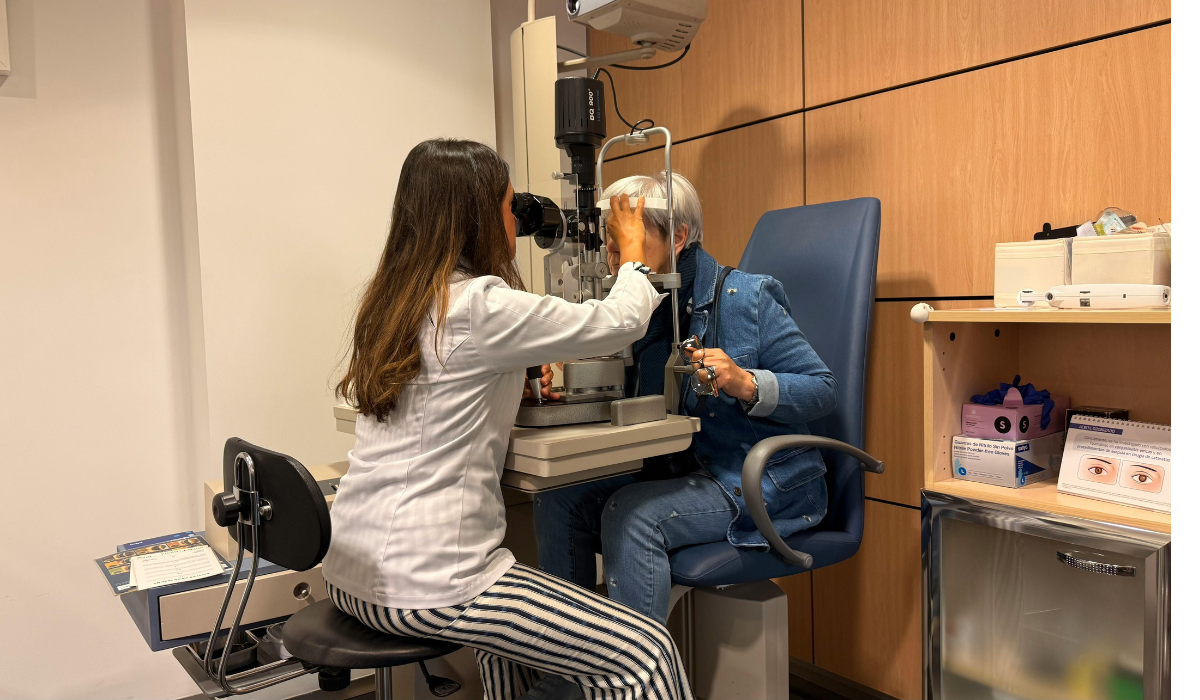
To make it even clearer, here’s a side-by-side comparison:
| Feature | Optometrist | Ophthalmologist |
| Education | Doctor of Optometry (OD) | Medical Doctor (MD) or Doctor of Osteopathy (DO) |
| Training | 4 years post-college in optometry school | Medical school + 4+ years residency + optional fellowship |
| Eye Exams | Yes | Yes |
| Glasses & Contacts | Yes | Yes (but less commonly primary role) |
| Eye Diseases | Diagnose & manage minor conditions | Diagnose & treat complex conditions |
| Surgery | No | Yes |
| Referral | May refer to an ophthalmologist if needed | Can provide full care, including surgery |
While optometrists and ophthalmologists handle medical care, opticians are technicians who help you select, fit, and adjust eyeglasses or contact lenses. They do not examine your eyes or prescribe treatment. Think of them as the practical side of vision correction—they ensure your lenses are correctly fitted so you can see clearly.
How to Decide Who to See
Many people wonder if they should start with an optometrist or go straight to an ophthalmologist. Here’s a simple approach:
- Routine vision check-ups: Start with an optometrist. They can handle exams, vision correction, and early detection of eye conditions.
- Complex eye problems or surgery needs: Go directly to an ophthalmologist, especially if referred by an optometrist.
- Specialised eye conditions: Ophthalmologists with fellowship training can handle specific diseases like retinal detachment, paediatric eye disorders, or glaucoma surgery.
Tip: Even if you regularly see an optometrist, an ophthalmologist should be part of your healthcare network for serious or complex eye conditions. Many patients benefit from a collaborative approach, where both professionals are involved in care.
What to Expect During Your Visit
Visiting an optometrist:
- Eye chart test to measure vision.
- Refraction test to determine your prescription.
- Slit-lamp exam to check for eye health.
- Pupil dilation if needed to examine the retina and optic nerve.
- Recommendations for glasses, contacts, or treatment for minor eye conditions.
Visiting an ophthalmologist:
- Comprehensive medical history review.
- Detailed eye exam, possibly including advanced imaging or tests.
- Discussion of treatment options for eye diseases.
- Surgical consultation if needed.
Pro tip: Bring your medical history, a list of medications, and any previous eye prescriptions to make the visit smoother.
Common Eye Conditions and Who Treats Them
Here’s a quick guide to who usually treats different eye problems:
| Condition | Usually Treated By | Notes |
| Nearsightedness/Farsightedness | Optometrist | Glasses or contacts prescribed |
| Cataracts | Ophthalmologist | Surgery required in most cases |
| Glaucoma | Optometrist (monitoring) & Ophthalmologist (surgery) | Collaborative care is often used |
| Diabetic Retinopathy | Ophthalmologist | Medical management + laser or injections |
| Dry Eye | Optometrist | Sometimes managed with an ophthalmologist for severe cases |
| Eye Injury | Ophthalmologist | Emergency or surgical treatment is required |
| Macular Degeneration | Ophthalmologist | Advanced treatment may be needed |
Tips for Maintaining Healthy Eyes
Whether you see an optometrist or ophthalmologist, taking care of your eyes is mostly in your hands. Here are some simple tips:
- Regular eye exams: Even if your vision seems fine, exams can catch early signs of disease.
- Wear sunglasses: Protect your eyes from UV rays to prevent cataracts and other damage.
- Healthy diet: Foods rich in omega-3, vitamins C & E, and lutein support eye health.
- Limit screen time: Reduce eye strain by taking breaks using the 20-20-20 rule (every 20 minutes, look 20 feet away for 20 seconds).
- Control chronic conditions: Diabetes, high blood pressure, and high cholesterol can affect eye health.
- Avoid smoking: Smoking increases the risk of eye diseases like macular degeneration.
When to Seek Immediate Eye Care
Certain symptoms shouldn’t wait for a routine appointment. Seek immediate attention from an ophthalmologist or the emergency room if you experience:
- Sudden vision loss in one or both eyes
- Severe eye pain or redness
- Sudden flashes of light or floaters
- Eye injury or trauma
- Double vision or drooping eyelid
Final Thoughts
Understanding the difference between an optometrist and an ophthalmologist can save time, money, and potentially your vision. Think of it this way:
- Optometrists are your go-to for regular eye care, vision correction, and early detection of problems.
- Ophthalmologists are specialists in serious eye diseases, surgeries, and complex conditions.
Most people benefit from seeing both at different times in their lives. Regular check-ups with an optometrist, combined with specialised care from an ophthalmologist when needed, create a balanced and effective approach to maintaining healthy eyes.
Your vision is one of your most valuable senses, and staying informed about your eye care options is the first step toward keeping it clear and healthy for years to come.
FAQ’s
When should I see an optometrist?
You should see an optometrist for routine eye exams, vision changes, glasses or contact prescriptions, mild eye irritation, or preventative care. They can detect early signs of eye disease and manage minor conditions but may refer you to an ophthalmologist for advanced treatment.
When should I see an ophthalmologist?
Visit an ophthalmologist for complex eye conditions, sudden vision changes, eye injuries, or if surgery is needed. They handle serious diseases like glaucoma, cataracts, macular degeneration, or diabetic retinopathy and provide advanced medical and surgical care.
Can optometrists perform eye surgery?
No, optometrists cannot perform eye surgery. They focus on exams, vision correction, and managing minor eye issues. For surgical procedures or treatment of serious eye diseases, patients are referred to an ophthalmologist.
What role do opticians play in eye care?
Opticians do not provide medical eye care. They help fit, adjust, and dispense glasses or contact lenses based on prescriptions from optometrists or ophthalmologists, ensuring proper vision correction and comfort.
How often should I have an eye exam?
Adults should have a comprehensive eye exam every 1–2 years, even if vision seems fine. Children and older adults may need exams more frequently. Regular check-ups help detect early eye disease and maintain healthy vision.
Can optometrists treat eye diseases?
Yes, optometrists can detect and manage some minor eye conditions like dry eyes, infections, or early glaucoma. However, complex diseases or cases requiring surgery are usually referred to an ophthalmologist for advanced treatment.
What symptoms require immediate attention from an ophthalmologist?
Seek urgent care if you experience sudden vision loss, severe eye pain, trauma, flashes of light, floaters, double vision, or drooping eyelids. These could indicate serious conditions needing immediate medical intervention.