
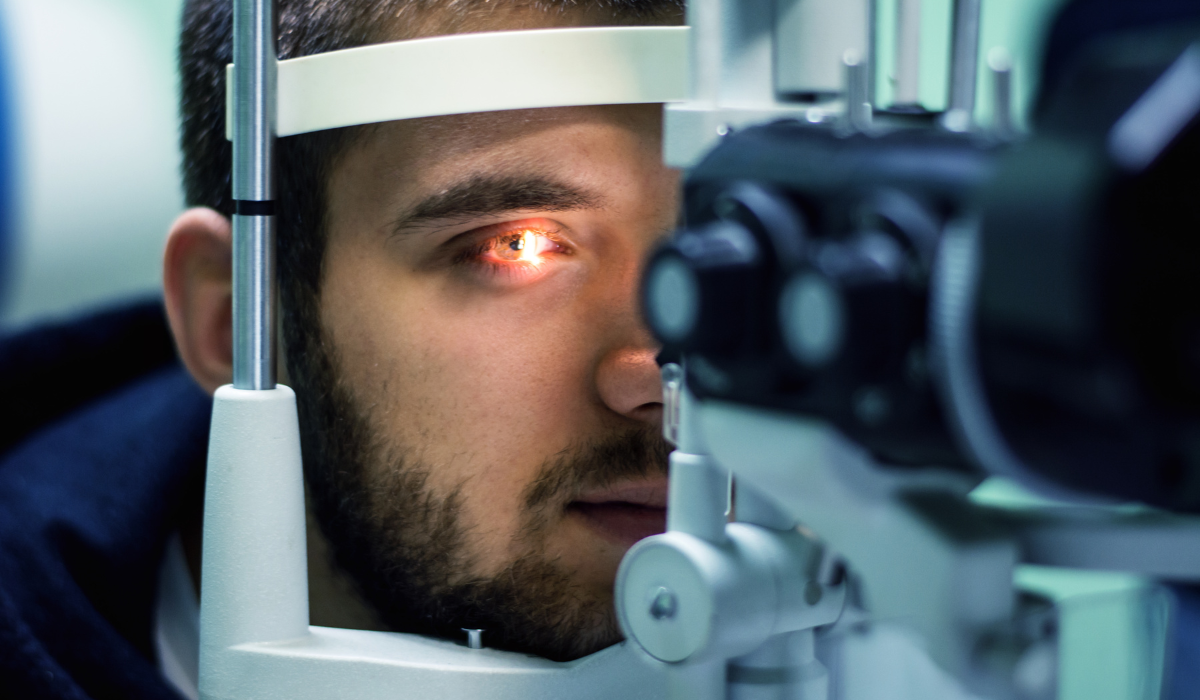
Glaucoma is one of the leading causes of vision loss worldwide. Commonly referred to as the “silent thief of sight” because it destroys the optic nerve, which is responsible for sending images from your eyes to your brain. What makes glaucoma particularly concerning is that it can develop without noticeable symptoms in the early stages. One common question people ask is: Is glaucoma hereditary? Can it run in families? The answer is yes—genetics can play a significant role, but it’s not the only factor. In this article, we will explore how hereditary factors affect glaucoma and what you can do to protect your eye health.
What is Glaucoma?
Glaucoma is not a single disease but a group of eye conditions that damage the optic nerve, often due to high intraocular pressure (pressure inside the eye). The optic nerve connects your eye to your brain like a wire. Damage to this nerve leads to permanent vision loss if left untreated.
There are several types of glaucoma, including:
- Open-angle glaucoma – The most common form; develops slowly with few early symptoms.
- Angle-closure glaucoma – Develops quickly and can cause sudden vision loss; it is a medical emergency.
- Normal-tension glaucoma – Occurs even when eye pressure is normal.
- Congenital glaucoma – Present at birth and usually linked to genetic factors.
Is Glaucoma Hereditary?
Yes, glaucoma can be hereditary, meaning it can run in families. Studies show that having a family history of glaucoma significantly increases your risk of developing the condition.
How Genetics Plays a Role
Our genes carry instructions that determine how our body functions, including our eyes. Mutations or changes in certain genes can increase the likelihood of glaucoma. Some of the genes linked to glaucoma include:
- MYOC gene – Associated with open-angle glaucoma; mutations can affect fluid drainage in the eye.
- OPTN gene – Linked to normal-tension glaucoma; can affect the optic nerve directly.
- CYP1B1 gene – Often associated with congenital glaucoma in infants.
People with these gene variations may have an increased risk, but genetics alone does not guarantee that glaucoma will develop. Environmental factors, lifestyle, and age also influence the risk.
Who is at Higher Risk?
Certain groups are more likely to develop hereditary glaucoma:
- Family History – If your parents, siblings, or grandparents have glaucoma, your risk is higher.
- Age – People over 40 are more susceptible, although congenital glaucoma affects infants.
- Ethnicity – African Americans and Hispanics are more likely to get glaucoma.
- Other Health Conditions – Diabetes, high blood pressure, and eye injuries can increase risk.
How Glaucoma Affects Eye Health
Glaucoma primarily affects the optic nerve, but its consequences extend to overall vision and quality of life. Here’s what happens:
- Loss of Peripheral Vision – Often, the first sign is tunnel vision or reduced side vision.
- Blurred Vision – Vision may become less sharp over time.
- Eye Pain and Headaches – More common in acute angle-closure glaucoma.
- Blindness – If left untreated, glaucoma can lead to permanent vision loss.
Even though hereditary glaucoma is linked to genetic factors, early detection and treatment can help protect vision.
Signs and Symptoms to Watch For
Glaucoma is known for being subtle in its early stages, but there are some warning signs:
- Gradual loss of peripheral (side) vision
- Seeing halos around lights
- Eye redness or pain
- Nausea and vomiting (in acute glaucoma)
- Tunnel vision in advanced stages
If you have a family history of glaucoma, regular eye check-ups are essential, even if you don’t notice symptoms.
Diagnosis of Hereditary Glaucoma
Doctors use several tests to diagnose glaucoma:
- Tonometry – Measures eye pressure.
- Ophthalmoscopy – Examines the optic nerve for damage.
- Visual Field Test – Detects peripheral vision loss.
- Gonioscopy – Looks at the eye’s drainage angle.
- Optical Coherence Tomography (OCT) – Produces detailed images of the optic nerve.
Genetic testing is also becoming more common to identify individuals at risk due to hereditary factors.
Treatment Options
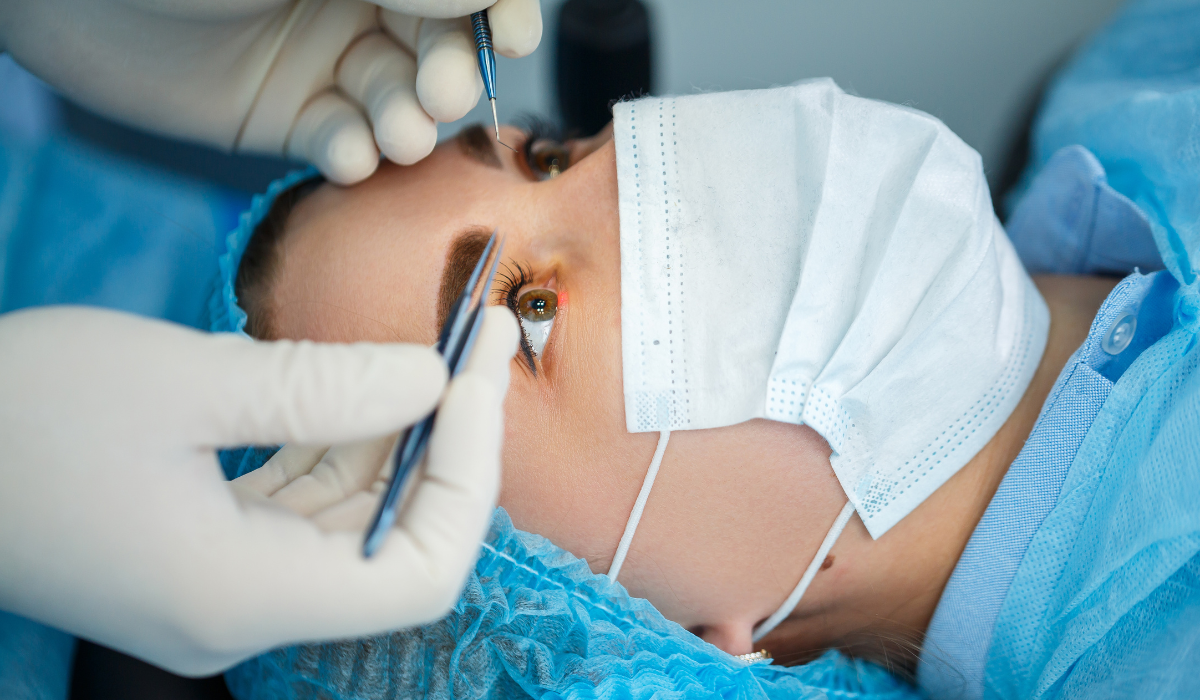
While glaucoma cannot be cured, treatments can slow or prevent further vision loss. The type and intensity of glaucoma determine how it is treated:
- Medications – Eye pressure is lowered with eye drops or oral drugs.
- Laser Therapy – Helps drain fluid or reduce eye pressure.
- Surgery – In severe cases, surgery may improve fluid drainage.
Early detection is crucial. People with a family history of glaucoma should have regular eye exams to monitor changes and start treatment promptly if needed.
Preventive Measures for Those at Risk
Even if you have a genetic predisposition, you can take steps to protect your eye health:
- Regular Eye Exams – At least once every 1–2 years, more frequently if you have risk factors.
- Healthy Lifestyle – Maintain a balanced diet rich in leafy greens, exercise regularly, and avoid smoking.
- Manage Health Conditions – Control blood pressure, diabetes, and other chronic illnesses.
- Know Your Family History – Share it with your eye doctor for early screening.
Hereditary vs. Environmental Factors
While genetics plays a big role, they are not the only factor. Environmental factors like long-term steroid use, eye injuries, and chronic diseases also contribute to glaucoma. Therefore, even those without a family history can develop glaucoma, and those with a genetic risk may avoid it with proper care.
The Importance of Awareness
Understanding your risk for hereditary glaucoma is crucial because the disease often develops silently. Regular eye check-ups, lifestyle changes, and early intervention can prevent irreversible vision loss.
Family members of glaucoma patients should consider:
- Sharing medical history
- Encouraging siblings or children to get screened
- Staying informed about the latest treatments and research
Conclusion
Glaucoma is partly hereditary, and genetics can significantly affect your eye health. If you have a family history of glaucoma, it doesn’t mean you will definitely develop it—but your risk is higher.
Early detection, regular eye exams, and a healthy lifestyle are key to preventing vision loss. Modern treatments and therapies can effectively manage the disease, allowing people to maintain good vision even if they carry genetic risks.
Understanding hereditary factors and taking preventive measures can protect your eyesight and enjoy a lifetime of clear vision.
See Glaucoma Clinics: iamacf.org
FAQ’s
Can glaucoma be inherited from parents?
Yes, glaucoma can run in families. If a parent or sibling has glaucoma, your risk is higher. Certain gene mutations increase susceptibility, but genetics alone do not guarantee you will develop the disease. Early screening helps prevent vision loss.
How often should someone with a family history get eye exams?
People with a family history should have comprehensive eye exams every 1–2 years. Your eye doctor may recommend more frequent check-ups if risk factors like high eye pressure or other eye conditions are present. Early detection is crucial.
Can lifestyle changes reduce hereditary glaucoma risk?
Yes, a healthy lifestyle can help protect your eyes. Regular exercise, a diet rich in leafy greens and antioxidants, avoiding smoking, and managing other health conditions can reduce glaucoma risk or slow its progression.
Is congenital glaucoma always hereditary?
Congenital glaucoma often has a genetic basis, commonly linked to the CYP1B1 gene. Babies born with this condition require early intervention. Family history is important, and genetic counselling may help parents understand risks.
Can glaucoma be completely prevented if it’s hereditary?
No, hereditary glaucoma cannot always be prevented. However, early detection, regular check-ups, and prompt treatment can prevent significant vision loss. Awareness and proactive eye care play a vital role in maintaining long-term vision health.
Are there genetic tests for glaucoma?
Yes, genetic tests can detect gene mutations associated with glaucoma. They help identify individuals at higher risk, allowing early monitoring and preventive care. However, genetic testing is one part of a complete eye health plan and does not replace regular exams.