

Gastroesophageal Reflux Disease, commonly known as GERD, is a chronic digestive condition where stomach acid flows back into the oesophagus. This backflow, known as acid reflux, can cause irritation, heartburn, regurgitation, and other uncomfortable symptoms. While many factors contribute to GERD, diet plays a significant role in triggering and worsening the condition. Certain foods and beverages can relax the lower esophageal sphincter (LES)—the valve that separates the stomach from the oesophagus—or increase acid production, leading to reflux episodes. Understanding which foods may cause or worsen GERD is essential for managing symptoms and improving overall digestive health.
Understanding GERD and Its Causes
GERD occurs when the LES becomes weak or relaxes inappropriately, allowing stomach acid to escape into the oesophagus. Over time, this repeated exposure to acid can damage the oesophageal lining, causing inflammation, ulcers, and, in severe cases, Barrett’s oesophagus, which increases the risk of oesophageal cancer.
Several factors contribute to GERD, including:
- Obesity or excess weight
- Pregnancy
- Smoking
- Certain medications (like NSAIDs or some blood pressure drugs)
- Hiatal hernia
- Diet and eating habits
Among these, diet is a modifiable factor, meaning changes in what you eat and drink can significantly reduce symptoms.
Foods That Commonly Trigger GERD
While triggers vary from person to person, some foods are more likely to cause acid reflux. Here’s a detailed look at these common offenders:
1. Fatty and Fried Foods
Foods high in fat can relax the LES, slowing digestion and allowing acid to flow back into the oesophagus. Examples include:
- Fried foods (e.g., French fries, fried chicken)
- Fast food items (burgers, pizza)
- High-fat dairy (cheese, cream, butter)
- Fatty cuts of meat (pork belly, ribs)
Tip: Opt for grilled, baked, or steamed options instead of fried items, and choose lean protein sources such as fish, skinless poultry, or legumes.
2. Citrus Fruits and Juices
Citrus fruits are acidic and can irritate the oesophagus in people with GERD. Examples include:
- Oranges
- Grapefruits
- Lemons
- Limes
- Orange juice and grapefruit juice
Tip: Non-citrus fruits like bananas, melons, and apples are generally better tolerated.
3. Tomato-Based Foods
Tomatoes are naturally acidic, which can trigger reflux in sensitive individuals. Common tomato-based foods include:
- Tomato sauces (marinara, pizza sauce)
- Ketchup
- Salsa
- Tomato soup
Tip: Low-acid tomato varieties or dishes cooked with vegetables and olive oil may be easier to digest.
4. Spicy Foods
Spices can irritate the oesophageal lining and worsen reflux symptoms. Foods commonly associated with GERD include:
- Hot peppers
- Chili powder
- Curry dishes
- Spicy sauces
Tip: Mildly seasoned dishes or using herbs instead of hot spices can reduce the risk of reflux.
5. Caffeinated Beverages
Caffeine can relax the LES, increasing the likelihood of acid reflux. These beverages include:
- Coffee
- Tea
- Energy drinks
- Some sodas
Tip: Limit caffeine intake, choose decaffeinated options, or replace with herbal teas like chamomile or ginger.
6. Carbonated Drinks
Bubbly drinks can expand the stomach, increasing pressure on the LES and promoting reflux. Examples include:
- Soda
- Sparkling water
- Carbonated energy drinks
Tip: Stick to still water or herbal teas to minimise reflux triggers.
7. Chocolate
Chocolate contains caffeine and theobromine, both of which can relax the LES. It is a common trigger for acid reflux in many individuals.
Tip: Dark chocolate in moderation may be better tolerated than milk chocolate, but it should still be limited if symptoms occur.
8. Onions and Garlic
Raw onions, in particular, can trigger reflux in sensitive individuals. Garlic may have a similar effect.
Tip: Cooking onions and garlic can reduce acidity, making them easier to tolerate.
9. Alcohol
Alcohol relaxes the LES and stimulates stomach acid production. Drinks commonly associated with reflux include:
- Wine
- Beer
- Spirits and cocktails
Tip: Limiting alcohol consumption or avoiding it entirely can help control GERD symptoms.
10. Mint
Even though mint is often used for digestive discomfort, peppermint and spearmint may relax the LES, leading to reflux symptoms.
Tip: Avoid peppermint-flavoured products like gum, candies, or teas if you have GERD.
Additional Dietary Considerations for GERD
Beyond avoiding specific trigger foods, certain eating habits can also affect acid reflux:
- Large meals: Overeating increases stomach pressure, promoting reflux. Eating smaller, more frequent meals can help.
- Late-night eating: Lying down after meals makes reflux more likely. Plan to finish eating 2-3 hours before bedtime.
- High-salt foods: Excess sodium may worsen GERD symptoms in some people. Limit processed and salty snacks.
- Hydration: Drinking water throughout the day helps digestion, but avoid drinking large amounts at once during meals.
Foods That May Help Reduce GERD Symptoms
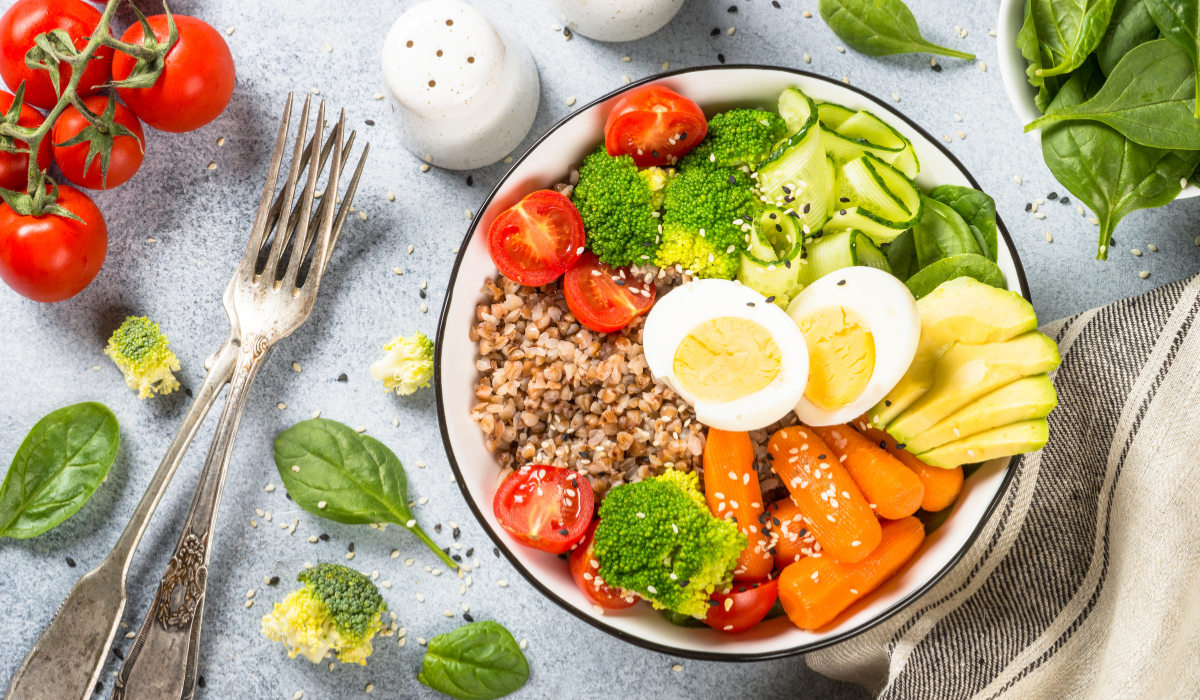
While avoiding trigger foods is important, some foods may help protect the oesophagus and reduce acid reflux:
- Oatmeal: A low-fat, high-fibre breakfast option that helps absorb stomach acid.
- Ginger: Natural anti-inflammatory properties can soothe the digestive tract.
- Non-citrus fruits: Bananas, melons, and apples are less likely to trigger reflux.
- Lean proteins: Skinless poultry, fish, and legumes are easier to digest.
- Vegetables: Most vegetables are low in fat and acid, especially green beans, broccoli, and cucumbers.
- Healthy fats: Avocado, olive oil, and nuts in moderation are better tolerated than fried or fatty foods.
Lifestyle Changes to Complement Dietary Adjustments
In addition to dietary changes, lifestyle modifications can significantly improve GERD symptoms:
- Maintain a healthy weight: Excess weight increases abdominal pressure and reflux risk.
- Elevate the head of your bed: Sleeping with your upper body slightly elevated can reduce nighttime reflux.
- Avoid tight clothing: clothes that compress the abdomen can increase reflux.
- Quit smoking: Smoking weakens the LES and aggravates GERD.
- Exercise moderately: avoid vigorous exercise immediately after meals, as it may worsen reflux.
When to See a Doctor
While dietary and lifestyle changes can help many people manage GERD, persistent or severe symptoms require medical attention. Seek medical advice if you experience:
- Frequent heartburn (more than twice a week)
- Difficulty swallowing
- Unexplained weight loss
- Chest pain
- Vomiting blood or black stools
Your doctor may recommend medications such as antacids, H2 blockers, or proton pump inhibitors, and in severe cases, surgical interventions.
Conclusion
GERD is a common and often manageable condition, and diet plays a critical role in controlling symptoms. Fatty, fried, and spicy foods; citrus fruits, tomatoes, caffeine, alcohol, and chocolate; onions; and mint are among the common dietary triggers of acid reflux. By identifying and avoiding trigger foods, eating smaller meals, and adopting healthy lifestyle practices, many people can reduce GERD symptoms and enjoy better digestive health. Remember, triggers vary from person to person, so keeping a food diary and monitoring symptoms can help you pinpoint the foods that worsen your condition. Consulting with a healthcare professional or registered dietitian can provide personalised guidance to manage GERD effectively.
FAQ’s
What is GERD, and how does it affect the body?
GERD, or gastro-oesophageal reflux disease, occurs when stomach acid flows back into the oesophagus, causing heartburn, regurgitation, and irritation. Over time, it can damage the lining, leading to inflammation, ulcers, or complications such as Barrett’s oesophagus if not managed properly.
Which foods are the most common triggers of GERD?
Common trigger foods include fatty and fried foods, spicy dishes, citrus fruits, tomatoes, chocolate, caffeine, carbonated drinks, alcohol, onions, garlic, and mint. These foods can relax the lower oesophageal sphincter or increase acid production, making reflux symptoms more likely.
Can drinking coffee or tea worsen GERD?
Yes, caffeinated beverages like coffee, tea, and energy drinks can relax the lower esophageal sphincter and increase stomach acid production, leading to acid reflux. Decaffeinated or herbal options are generally safer for people with GERD.
Are all fruits safe for people with GERD?
Not all fruits are safe. Citrus fruits like oranges, grapefruits, lemons, and limes are acidic and can worsen reflux. Non-citrus fruits such as bananas, melons, apples, and pears are usually better tolerated and less likely to trigger GERD symptoms.
How can lifestyle changes help manage GERD?
Lifestyle adjustments can significantly reduce GERD symptoms. Maintaining a healthy weight, eating smaller meals, avoiding late-night eating, elevating the head of the bed, quitting smoking, and wearing loose clothing all help reduce acid reflux and protect the oesophagus.
Can chocolate or mint really cause acid reflux?
Yes. Chocolate contains caffeine and theobromine, which can relax the lower oesophageal sphincter, while peppermint or spearmint may have a similar effect. Both can allow stomach acid to flow back into the oesophagus, triggering reflux symptoms in sensitive individuals.
When should I see a doctor for GERD?
See a doctor if you have frequent heartburn (more than twice weekly), trouble swallowing, chest pain, unexplained weight loss, or vomiting blood/black stools. Persistent or severe symptoms may require medications or medical interventions to prevent complications.