Cholesterol often goes unnoticed because it does not cause obvious symptoms in its early stages. Yet, silently, it builds up in the blood vessels, increasing the risk of serious health problems like heart disease, stroke, and peripheral artery disease. According to the World Health Organization (WHO), high cholesterol contributes to more than 2.6 million deaths annually worldwide. Understanding what are 10 warning signs of high cholesterol can help you recognize the subtle symptoms early and take steps to prevent long-term damage.
In this article, we will explore 10 warning signs of high cholesterol you should never ignore, along with the causes, risks, and preventive strategies.
What Is Cholesterol?
Cholesterol, a lipid with a waxy texture, is present in every cell of the body. It is essential for producing hormones, vitamin D, and bile acids that aid digestion. While the body produces all the cholesterol it needs, additional cholesterol often comes from foods rich in saturated and trans fats.
There are two main types of cholesterol:
- LDL Cholesterol: Frequently referred to as “bad cholesterol,” it can harden the arteries by creating plaque layers.
- High-Density Lipoprotein (HDL): Known as “good cholesterol,” it helps carry excess cholesterol back to the liver for removal.
When LDL levels are too high and HDL is too low, arteries become clogged, restricting blood flow and leading to cardiovascular issues.
Why Recognizing Warning Signs Matters
High cholesterol is often called a “silent killer” because most people don’t know they have it until complications arise. However, some physical and health-related signs may indicate dangerously elevated levels. Recognizing these signs and acting early can save lives.
10 Warning Signs of High Cholesterol
1. Chest Pain or Angina
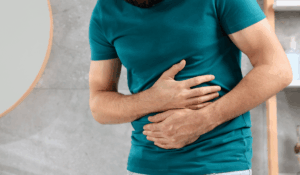
High cholesterol often reveals itself through chest-related discomfort. When cholesterol plaques block or narrow coronary arteries, the heart muscle doesn’t get enough oxygen-rich blood, resulting in angina. This pain can feel like pressure, heaviness, or tightness in the chest, especially during physical activity or stress.
Ignoring chest pain can lead to severe outcomes like heart attacks. If you experience recurring chest discomfort, consult a doctor immediately.
2. Shortness of Breath
Clogged arteries reduce the amount of oxygenated blood reaching vital organs. Breathlessness during daily activity or even while at rest may result from this. If high cholesterol has already led to heart disease, fluid may build up in the lungs, further worsening breathing problems.
3. Numbness or Weakness in Limbs
High cholesterol can cause fatty deposits in blood vessels supplying the brain. This may trigger a transient ischemic attack (mini-stroke) or stroke, leading to sudden numbness, weakness, or paralysis on one side of the body.
If you feel tingling or weakness in your arms, hands, or legs without an obvious reason, it could be linked to cholesterol-related artery blockages.
4. Xanthomas (Yellowish Deposits on Skin)
Xanthomas are fatty deposits that appear as yellowish bumps under the skin, often on eyelids, elbows, knees, or heels. They are a visible sign of high cholesterol levels in the blood. While they are not painful, they indicate a serious underlying issue that requires medical attention.
5. Corneal Arcus (Grayish Ring Around the Eye)
A pale or grayish-white ring around the cornea, known as corneal arcus, can be a warning sign of high cholesterol, particularly in younger individuals. Although it is common in older adults, its presence in people under 45 suggests abnormal lipid levels.
6. High Blood Pressure
A accumulation of cholesterol causes arteries to constrict, making it difficult for the heart to pump blood. This causes hypertension, or elevated blood pressure, over time. While high blood pressure has many causes, it often works hand-in-hand with high cholesterol to damage arteries, increasing the risk of heart attack and stroke.
7. Frequent Headaches and Dizziness
Restricted blood flow to the brain due to cholesterol blockages can cause headaches, dizziness, or even fainting spells. Although headaches alone are not a direct sign of high cholesterol, when paired with other symptoms like numbness or blurred vision, they become a red flag.
8. Cold Hands and Feet
Peripheral artery disease (PAD) occurs when cholesterol plaques block blood flow to the limbs. As a result, your hands and feet may feel unusually cold, numb, or weak. In severe cases, wounds in these areas may heal slowly, raising the risk of infections and tissue damage.
9. Unexplained Fatigue
When arteries are narrowed by cholesterol, your heart and muscles don’t get enough oxygen-rich blood. This can make you feel tired or drained, even after light activities. Chronic fatigue that doesn’t improve with rest may be linked to underlying cardiovascular issues.
10. Irregular Heartbeat (Arrhythmia)
High cholesterol-induced blockages can lead to irregular heart rhythms. You may feel palpitations, skipped beats, or a fluttering sensation in the chest. Arrhythmias can be harmless in some cases, but when combined with high cholesterol, they significantly raise the risk of heart failure and stroke.
Who Is at Risk of High Cholesterol?

Several factors increase the likelihood of developing high cholesterol, including:
- Diet: High intake of saturated fats, fried foods, and processed meats.
- Lifestyle: Lack of exercise, excessive alcohol consumption, and smoking.
- Age and Gender: Cholesterol levels typically rise with age; men are at higher risk earlier, while women’s risk increases after menopause.
- Family History: Genetic factors such as familial hypercholesterolemia can cause dangerously high cholesterol levels.
- Medical Conditions: Diabetes, obesity, and thyroid disorders contribute to elevated cholesterol.
Complications of Ignoring High Cholesterol
If left untreated, high cholesterol can lead to life-threatening conditions, including:
- Heart attack due to blocked coronary arteries.
- Stroke caused by reduced blood flow to the brain.
- Peripheral artery disease (PAD) leading to limb pain and tissue damage.
- Atherosclerosis, a progressive hardening and narrowing of the arteries.
How to Manage and Prevent High Cholesterol
1. Adopt a Heart-Healthy Diet
- Increase your intake of fruits, vegetables, whole grains, and lean sources of protein.
- Replace saturated fats with healthier fats like those found in olive oil, nuts, and avocados.
- Limit processed foods, fried items, and sugary snacks.
2. Exercise Regularly
Aim for at least 150 minutes of moderate aerobic exercise each week—like brisk walking, cycling, or swimming—to boost HDL (good cholesterol) and reduce LDL (bad cholesterol).
3. Quit Smoking and Limit Alcohol
Smoking lowers HDL levels and damages blood vessels. Excess alcohol raises triglycerides, another harmful fat in the blood.
4. Maintain a Healthy Weight
Shedding just 5–10% of your body weight can make a big difference in lowering cholesterol and boosting heart health.
5. Get Regular Checkups
Since high cholesterol rarely shows early symptoms, blood tests (lipid profiles) are the most reliable way to monitor levels. Adults should check cholesterol every 4–6 years, or more frequently if they have risk factors.
6. Medication if Necessary
If lifestyle changes are not enough, doctors may prescribe statins or other cholesterol-lowering medications. Preventing complications requires careful compliance with medical recommendations.
Final Thoughts
High cholesterol may not always show obvious symptoms, but the body often gives subtle warning signs. From chest pain and shortness of breath to xanthomas and irregular heartbeats, these signs should never be ignored. Left unchecked, high cholesterol can lead to heart disease, stroke, and other severe complications.
The best defense is awareness, prevention, and timely medical intervention. By adopting a healthy lifestyle, getting regular checkups, and paying attention to your body, you can keep cholesterol under control and protect your heart for years to come.
FAQ’s
How does your body feel when your cholesterol is too high?
You won’t start to feel any symptoms until the high cholesterol causes other problems in your body. High cholesterol raises your risk of conditions like peripheral artery disease, high blood pressure and stroke. High cholesterol is common among people with diabetes.
Can cholesterol cause burning feet?
Unlike the pain of everyday wear and tear, this high cholesterol warning sign found in the feet will burn or ache while you’re resting in bed. This is a sign that your extremities aren’t getting enough oxygen-rich blood. And it should send you to the doctor for an immediate cholesterol test and heart health exam
How to check cholesterol at home?
To use a cholesterol home test kit, you first prick your finger with the lancet. Next, you place the blood droplet on the test strip. The cholesterol home test strip has special chemicals that change colors after a few minutes. You then match the final color against a color guide that’s included with the kit.
What reduces cholesterol quickly?
To lower cholesterol fast, adopt a heart-healthy lifestyle by increasing your intake of soluble fiber, plant sterols, and omega-3s, while reducing saturated and trans fats from your diet. Incorporate regular physical activity and weight management into your routine. Quitting smoking and limiting alcohol also contribute to healthier cholesterol levels.
What food will reduce cholesterol?
Soluble fiber is also found in such foods as kidney beans, Brussels sprouts, apples and pears. Soluble fiber can reduce the absorption of cholesterol into your bloodstream. Five to 10 grams or more of soluble fiber a day decreases your LDL cholesterol.