
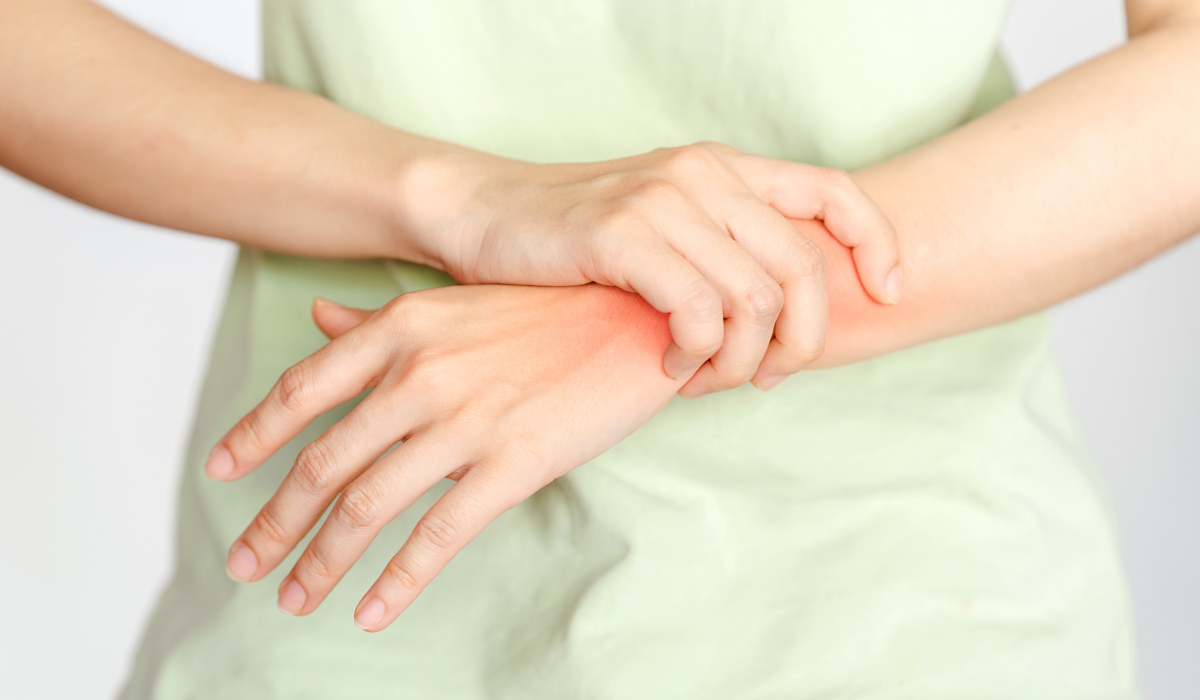
Living with arthritis in the hands can make everyday tasks—like opening jars, writing, or even holding a cup—feel frustrating and painful. But the good news is, there are simple and effective ways to ease discomfort and improve flexibility. Whether you’re dealing with occasional stiffness or constant pain, small daily changes can make a big difference.
Let’s explore easy, natural, and practical ways to help your hands feel better and stay active.
Understanding Arthritis in Hands
Arthritis is a condition that causes inflammation in the joints. When it affects the hands, it can make your fingers stiff, swollen, and painful to move. The two most common types are:
- Osteoarthritis (OA): This happens when the protective cartilage that cushions your joints wears down over time. It’s common in older adults or people who’ve used their hands a lot for work or hobbies.
- Rheumatoid Arthritis (RA) is an autoimmune condition in which the immune system attacks the joints, leading to inflammation and deformity.
No matter the type, arthritis in the hands can limit your movement and affect your daily life. But you can take steps to ease pain and improve hand function.
Keep Your Hands Moving with Gentle Exercises
One of the best ways to fight stiffness is through hand exercises. Movement helps keep your joints flexible and prevents them from becoming too stiff or painful.
Here are a few easy exercises you can do at home:
- Finger bends: Gently bend one finger at a time toward your palm, then straighten it again.
- Make a fist: Curl your fingers slowly into a fist, hold for a few seconds, and then open your hand wide.
- Thumb stretch: Stretch your thumb away from your fingers, then try to touch the base of your pinky finger.
- Squeeze a soft ball: Use a stress ball or soft sponge to squeeze and release gently.
Try doing these for 5–10 minutes daily. If your hands feel sore afterward, apply a warm compress to relax the muscles.
Use Heat and Cold Therapy
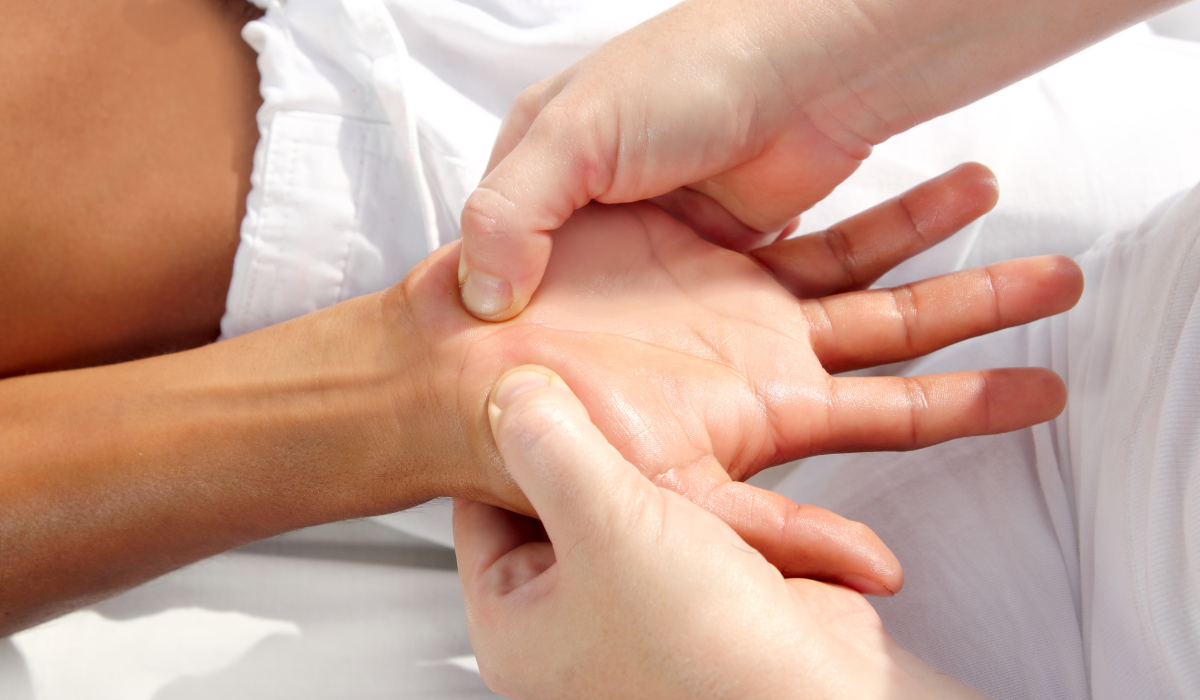
Both heat and cold can be powerful tools for managing arthritis pain.
- Heat therapy:
- Helps relax stiff muscles and improve blood flow.
- Try using a warm towel or heating pad, or soaking your hands in warm water for 10–15 minutes.
- Cold therapy:
- Reduces swelling and numbs sharp pain.
- Wrap an ice pack or frozen peas in a towel and apply for 10–15 minutes.
You can even alternate between hot and cold treatments for extra relief.
Maintain a Healthy Weight
Your weight might not seem directly related to hand arthritis, but it actually is. Carrying extra weight increases inflammation throughout your body, including your joints.
Losing just a few pounds can help lower inflammation and make your arthritis symptoms easier to manage. Focus on a balanced diet filled with:
- Fruits and vegetables (rich in antioxidants)
- Whole grains (like oats, quinoa, and brown rice)
- Healthy fats (from fish, nuts, and olive oil)
- Lean proteins (like chicken, tofu, and beans)
Avoid processed foods, sugary drinks, and too much red meat, as they can increase inflammation.
Use Hand-Friendly Tools
Simple gadgets can make life much easier when your hands hurt. Look for arthritis-friendly tools designed to reduce strain on your joints.
For example:
- Jar openers to avoid twisting motions.
- Ergonomic pens or grips for easier writing.
- Lightweight kitchen utensils with padded handles.
- Zipper pulls and button hooks to help with dressing.
You can find these at most pharmacies or online stores that sell arthritis aids.
Try Gentle Massage
Massage can help relax stiff joints and improve blood circulation in your hands. You don’t need a professional—just a few minutes of self-massage can do wonders.
Here’s how:
- Warm your hands with a heating pad first.
- Apply a small amount of lotion or oil.
- Gently massage your palms, fingers, and wrists in circular motions.
Do this daily, especially before bedtime, to ease stiffness and relax your hands.
Consider Splints or Braces
If your pain gets worse during certain activities, wearing a hand brace or splint can provide support. These devices help rest the joints and prevent movements that cause pain.
You can wear them while typing, cooking, or doing chores—just not all the time, as your hands still need to move for flexibility. Ask your doctor or therapist which type is best for you.
Manage Stress Levels
It might surprise you, but stress can actually make arthritis symptoms worse. When you’re stressed, your body releases chemicals that increase inflammation and tension in your muscles.
Try simple relaxation techniques like:
- Deep breathing exercises
- Yoga or gentle stretching
- Meditation or mindfulness
- Listening to calm music
A few minutes of relaxation each day can help you feel more in control and less tense.
Stay Hydrated
Joint discomfort may worsen if you are dehydrated. Water keeps your joints lubricated, which lessens stiffness and friction.
Aim to drink 6–8 glasses of water daily. Herbal teas, soups, and water-rich fruits like watermelon or cucumber can also help keep you hydrated.
Explore Natural Remedies
Some natural ingredients can help reduce arthritis pain and swelling. While these don’t replace medical treatment, they can be helpful additions.
Try:
- Turmeric: Contains curcumin, which fights inflammation.
- Ginger: Helps reduce joint pain and stiffness.
- Fish oil: Rich in omega-3 fatty acids that support joint health.
- Epsom salt soak: Soak your hands in warm water with Epsom salt for soothing relief.
Always check with your doctor before adding new supplements to your routine.
Don’t Skip Medical Help
While home remedies are helpful, it’s important to talk to your doctor for a proper diagnosis and treatment plan.
Your doctor may recommend:
- Pain-relief medications or anti-inflammatory drugs
- Corticosteroid injections for severe pain
- Physical therapy to improve strength and flexibility
If your arthritis is advanced, surgery may be an option to repair or replace damaged joints.
Rest When You Need To
Your hands work hard every day, so give them a break when they’re tired. Overusing your joints can worsen pain and inflammation.
Take short breaks while typing, cooking, or gardening. Use both hands instead of one when carrying heavy items. Listen to your body—if something hurts, stop and rest.
Stay Positive and Patient
Managing arthritis takes time and patience. Some days will be better than others, but small steps add up to big progress. Celebrate little victories—like being able to button a shirt more easily or write without pain.
Surround yourself with supportive friends, family, or online arthritis communities. Staying positive can make the journey easier and more empowering.
Final Thoughts
Arthritis in the hands can be painful, but it doesn’t have to control your life. With gentle exercises, home remedies, and simple lifestyle changes, you can keep your hands flexible, strong, and comfortable.
Remember—consistency matters most. Even small daily habits can help you ease pain, improve movement, and live a more active, pain-free life.
Your hands do so much for you—take good care of them!
FAQ’s
What is the best exercise for arthritis in the hands?
Gentle exercises like making a fist, finger bends, and squeezing a soft ball are great for arthritis. These help improve flexibility, reduce stiffness, and strengthen hand muscles. Do them daily for a few minutes to keep your joints active and comfortable.
Can arthritis in the hands be cured completely?
Unfortunately, arthritis can’t be completely cured, but the pain and stiffness can be managed effectively. Regular exercise, proper diet, medication, and hand care can reduce symptoms, slow down joint damage, and help you live a normal, active life.
What foods help reduce hand arthritis pain?
Foods rich in omega-3s, antioxidants, and healthy fats—like fish, nuts, leafy greens, berries, and olive oil—can help reduce inflammation. Avoid processed foods, refined sugar, and trans fats, as they can worsen joint pain and swelling over time.
Does heat or ice work better for arthritis pain?
Both can help in different ways. Heat relaxes stiff muscles and increases blood flow, while ice reduces swelling and numbs pain. Use heat for stiffness and cold for swelling, or alternate between the two for maximum relief.
Are natural remedies like turmeric effective for arthritis?
Yes, turmeric and other natural remedies like ginger and fish oil may help reduce inflammation and pain. However, they work best as part of an overall care plan and not as replacements for medical treatment or prescribed medication.
When should I see a doctor for hand arthritis?
See a doctor if pain, swelling, or stiffness lasts for weeks or if it interferes with daily tasks. Early treatment can prevent joint damage, ease symptoms, and help maintain flexibility in your hands. Don’t ignore persistent discomfort.