As parents, we want the best for our children — from healthy meals to proper sleep, from school support to extracurricular activities. Yet one vital aspect of their health is sometimes overlooked: their vision. Healthy eyesight is essential for learning, social interactions, and overall development. Fortunately, routine vision screening can help protect your child’s sight and ensure they grow up seeing the world clearly.
At the Illinois Society for the Prevention of Blindness – Rosen Eye Clinic, we understand how important early eye care is. Our team is dedicated to helping children maintain healthy vision through screenings, early detection, and treatment of vision problems.
Why Vision Matters for Children
From the first time babies focus on faces to when children begin reading, playing, and exploring, their eyes are constantly working. Good vision is critical for learning — studies show that the majority of learning in school relies on visual input. If a child struggles to see properly, it can affect reading, writing, attention, and even social interactions.
Vision problems that go unnoticed can also impact a child’s confidence and overall well-being. Children may feel frustrated with schoolwork or sports without understanding why, which can affect their self-esteem. Early detection through routine vision screening is the key to preventing these issues.
Common Vision Problems in Children
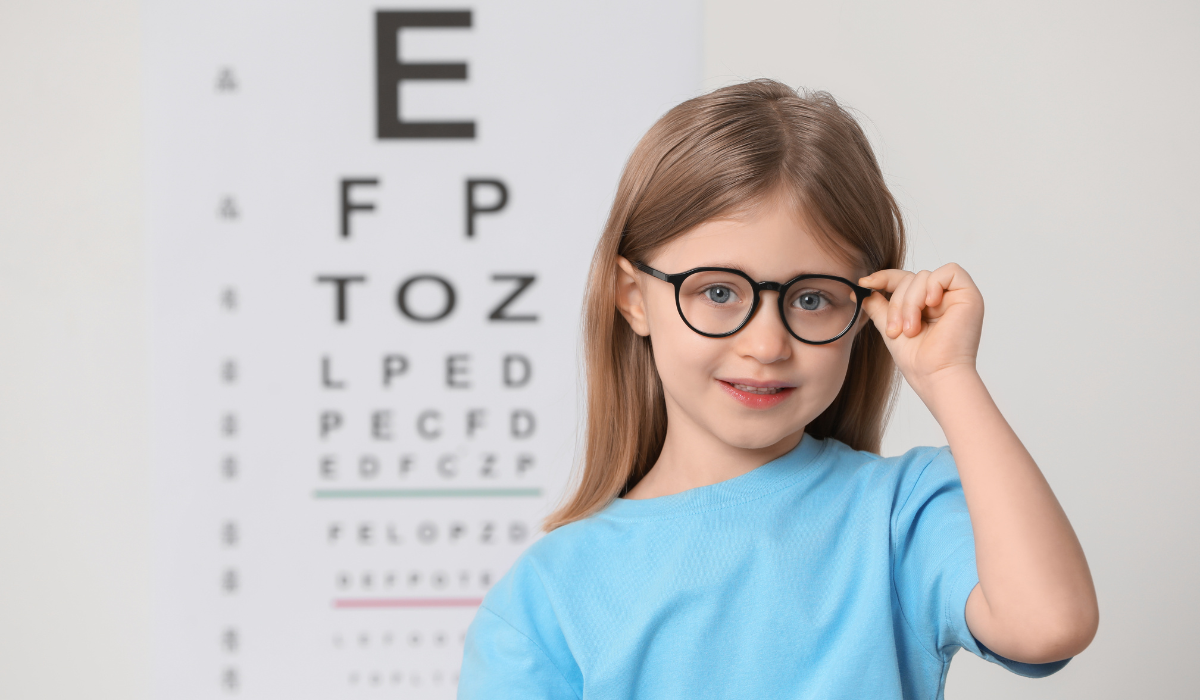
Children can develop several vision problems, and they don’t always show obvious symptoms. Some common issues include:
- Refractive errors: These include nearsightedness, farsightedness, and astigmatism, which cause blurry vision and eye strain.
- Amblyopia (lazy eye): One eye doesn’t develop normal vision, and without early treatment, permanent vision loss can occur.
- Strabismus (eye misalignment): When the eyes do not work together properly, depth perception and coordination can be affected.
- Eye strain: With increased screen time, children may experience headaches, tired eyes, or difficulty focusing.
The tricky part is that children often don’t realise that they see differently from others. They may compensate by squinting, tilting their head, or holding books too close — behaviours parents might dismiss as harmless. Routine vision screening ensures that these subtle problems are identified and addressed before they become serious.
What Vision Screening Involves
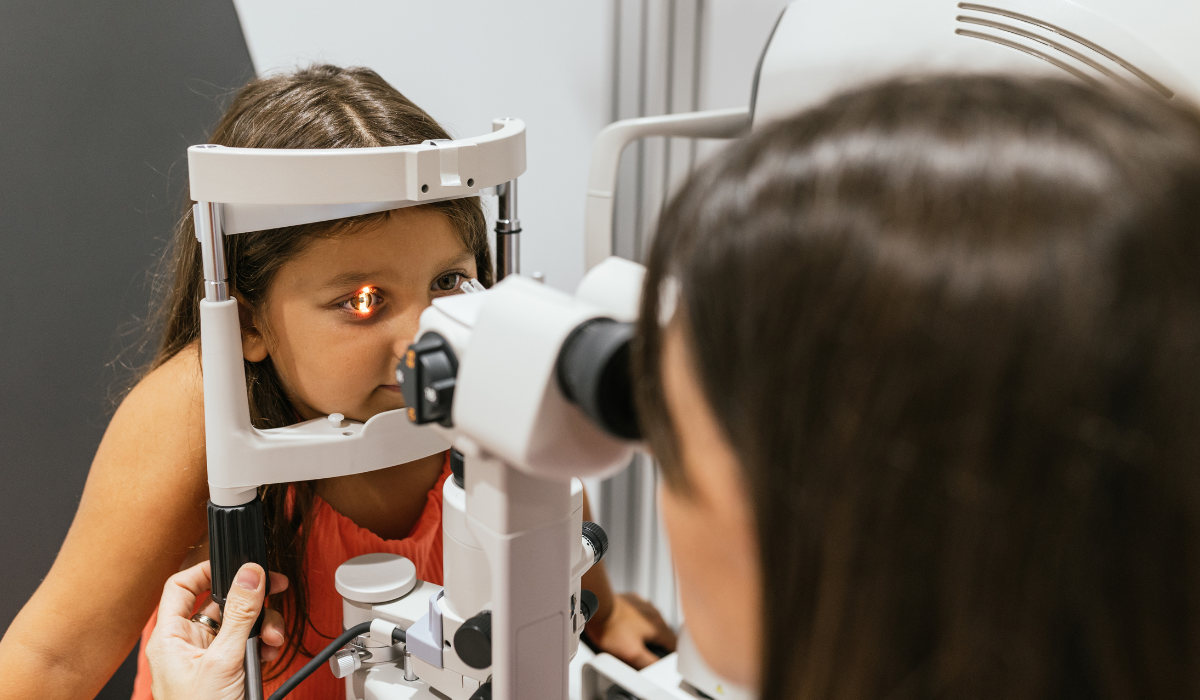
A vision screening is a quick, simple check to identify potential problems in a child’s eyes. Screenings usually include tests for:
- Visual acuity (how clearly your child sees)
- Eye coordination and alignment
- Focus and tracking abilities
If a screening suggests a concern, a more comprehensive eye exam by a paediatric eye-care specialist is needed. At the Illinois Society for the Prevention of Blindness – Rosen Eye Clinic, our experts provide thorough examinations and personalised care to ensure each child receives the treatment they need. Early intervention can prevent long-term vision problems and support healthy eye development.
Starting Early Matters
- Children’s irises undergo rapid development during the initial years of life. Early detection of vision problems ensures the best chance for healthy development.
- Preschoolers may not notice vision issues. Young children often don’t recognise that their vision is different, so parents and carers must be proactive.
- Early treatment is more effective. Conditions like amblyopia and strabismus are much easier to treat when caught early.
- Clear vision supports learning and confidence. Children with good eyesight can focus better in school, participate in sports, and feel more confident in social interactions.
Routine screenings, followed by full examinations when necessary, are the best way to protect your child’s vision.
How the Illinois Society for the Prevention of Blindness – Rosen Eye Clinic Can Help
At Rosen Eye Clinic, our team specialises in paediatric vision care. We understand that children are not just small adults — their eyes need care suited to their age and developmental stage. Here’s how we support families:
- Child-friendly screenings and exams: Our tests are designed for babies, toddlers, and older children, making the experience comfortable and accurate.
- Comprehensive care: We identify refractive errors, amblyopia, strabismus, and other eye conditions early, providing treatment plans that suit each child’s needs.
- Support for healthy vision development: Our treatments may include glasses, vision therapy, or other interventions that help children see clearly and comfortably.
- Education for parents and carers: We guide families on how to monitor their child’s eye health, including tips for reducing eye strain and promoting good habits.
By partnering with parents, schools, and the community, Rosen Eye Clinic helps children maintain healthy vision and prevent blindness, ensuring they can thrive at school and in life.
What Parents Can Do
Parents play a vital role in protecting their child’s eyesight. Here are some simple steps:
- Don’t wait for complaints: Children may not realise they have vision problems, so schedule screenings even if your child seems to see well.
- Follow the recommended schedule: Regular eye exams should be part of your child’s healthcare routine. Early detection is always better than waiting for symptoms to appear.
- Watch for subtle signs: Squinting, head tilting, holding books too close, avoiding reading, or frequent headaches may indicate a vision problem.
- Limit eye strain: Encourage breaks from screens, ensure proper lighting for reading, and promote outdoor activities to support eye health.
- Act on referrals: If a screening or exam indicates a concern, follow up with a paediatric eye-care specialist promptly. Early treatment makes the biggest difference.
The Long-Term Benefits of Routine Vision Screening
Routine vision screening is not just about addressing problems as they arise. It’s about preventing future issues and giving children the best possible start in life. Children with healthy vision can:
- Excel academically and socially
- Participate confidently in sports and activities
- Develop independence and self-esteem
- Avoid long-term vision loss
By making routine eye care a priority, parents help ensure that their child’s eyes remain healthy and that they can enjoy life to the fullest.
Conclusion
Vision is a critical part of your child’s overall health and development. Many vision problems in children go unnoticed, but early detection through routine vision screening can make a world of difference.
Illinois Society for the Prevention of Blindness – Rosen Eye Clinic, an iamaCF health clinic, is committed to helping children see clearly and maintain healthy eyes throughout their growth. By scheduling regular screenings and exams, monitoring your child’s eye health, and acting on early signs of vision problems, you can protect your child’s sight for years to come.
Investing in your child’s eye health today means giving them the confidence, clarity, and ability to explore their world tomorrow. Make vision care a routine — it’s one of the most important steps you can take for your child’s future.
FAQs
At what age should my child have their first vision screening?
Children should have their first vision screening around 6 months, then again at 3 years, before starting school, and regularly throughout childhood. Early checks help detect problems before they affect learning or development.
How often should my child’s eyes be checked?
Routine screenings are recommended every 1–2 years. Children with detected vision problems may need more frequent exams. Regular monitoring ensures any issues are caught early, supporting healthy eye development and clear vision for learning and daily activities.
What signs indicate my child may have vision problems?
Look for squinting, frequent eye rubbing, tilting the head, holding books close, avoiding reading, or complaining of headaches. These behaviours may indicate blurred vision, eye strain, or alignment issues and should prompt a professional eye exam.
Can vision problems affect my child’s school performance?
Yes. Poor vision can make reading, writing, and concentration difficult, impacting learning and confidence. Early detection through vision screenings helps prevent struggles at school and supports academic, social, and emotional development.
How does Rosen Eye Clinic help children with vision issues?
Rosen Eye Clinic provides child-friendly screenings, comprehensive exams, and personalised treatment plans, including glasses or therapy. Their team focuses on early detection and prevention, ensuring children develop healthy vision and can participate fully in school and daily life.