If you’ve ever sat in a doctor’s office and heard the words “your cholesterol is high,” you know how confusing that moment can feel. What does it actually mean? Is it dangerous right now, or is it something you need to worry about years down the road? At IAMACF, we hear these questions almost every week from patients across Chicago, and we want to walk you through what cholesterol and heart disease really mean for your health — in plain language, without the medical jargon.
High cholesterol doesn’t come with obvious symptoms. You won’t feel it building up in your arteries. That’s exactly why so many people find out they have it only after a routine check-up, or worse, after a heart-related emergency. The good news is that cholesterol and heart disease risk can often be managed and, in many cases, prevented through simple lifestyle changes and consistent medical care. That’s the kind of care we’re proud to offer, free of cost, at the IAMACF Community Health Clinic.
What Is Cholesterol, and Why Does It Matter?
Cholesterol is a waxy, fat-like substance that your body actually needs. It helps build cells, produce hormones, and support digestion. The problem isn’t cholesterol itself — it’s having too much of the wrong kind circulating in your blood.
There are two main types you’ll hear about:
- LDL (low-density lipoprotein): Often called “bad” cholesterol, because too much of it can build up on the walls of your arteries, forming plaque that narrows the blood vessels.
- HDL (high-density lipoprotein): Known as “good” cholesterol because it helps carry excess cholesterol back to the liver, where it’s removed from the body.
When LDL levels get too high, or HDL levels get too low, your risk for heart disease starts climbing. Over time, that plaque buildup can lead to blocked arteries, reduced blood flow, and, in serious cases, heart attacks or strokes.
How Cholesterol and Heart Disease Are Connected
The link between cholesterol and heart disease comes down to your arteries. Think of your blood vessels as highways that carry oxygen-rich blood to your heart and the rest of your body. When cholesterol builds up along the artery walls, it forms a sticky plaque. As that plaque thickens, the “highway” narrows, and blood has a harder time getting through.
This condition is known as atherosclerosis, and it’s one of the leading causes of heart disease. If a section of plaque breaks off or ruptures, it can trigger a blood clot that blocks blood flow entirely — this is what causes many heart attacks.
What makes high cholesterol especially concerning is that it usually works quietly, alongside other risk factors like high blood pressure, diabetes, and excess weight. That’s why we always encourage our patients to look at their overall heart health, not just one number in isolation.
Who Is at Risk?
Almost anyone can develop high cholesterol, but certain factors raise the risk significantly:
- A diet high in saturated fats, fried foods, and processed sugar
- Limited physical activity or a mostly sedentary lifestyle
- Being overweight or carrying excess weight around the midsection
- Smoking, which lowers good cholesterol and damages artery walls
- A family history of high cholesterol or early heart disease
- Existing conditions such as diabetes, hypertension, or thyroid disorders
- Getting older, since cholesterol levels naturally tend to rise with age
Many of the patients we see at our free clinic in Chicago fall into more than one of these categories, which is exactly why regular screening matters so much for underserved communities.
Warning Signs You Shouldn’t Ignore
High cholesterol itself is silent, but the heart disease it can lead to often isn’t. Watch for:
- Chest pain, pressure, or tightness, especially during activity
- Shortness of breath
- Unusual fatigue or weakness
- Pain that spreads to the arm, jaw, neck, or back
- Irregular heartbeat or heart palpitations
If you or a loved one experiences chest pain along with shortness of breath, sweating, or pain radiating down the arm, seek emergency care right away. These can be signs of a heart attack, and every minute matters.
Practical Prevention Tips for Better Heart Health
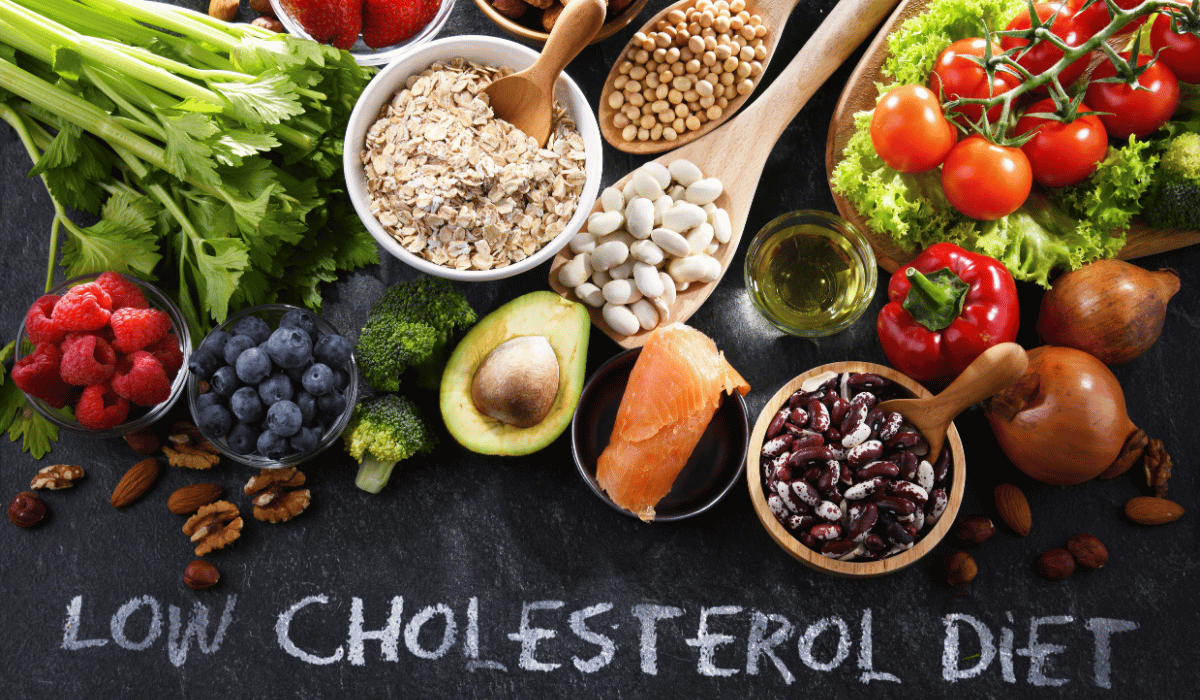
The encouraging part of this conversation is that cholesterol and heart disease risk can be lowered with changes you can start making today. Here’s what we recommend to our patients.
Rethink What’s on Your Plate
You don’t need a complicated diet plan. Start with small swaps:
- Choose lean proteins like chicken, fish, or beans instead of fatty cuts of red meat
- Cook with olive oil instead of butter or lard
- Add more fiber-rich foods like oats, beans, fruits, and vegetables — fiber helps carry cholesterol out of your body
- Limit fried foods, packaged snacks, and sugary drinks
- Watch portion sizes, especially with foods high in saturated fat
Get Moving, Even a Little
Physical activity helps raise good cholesterol while lowering the bad kind. You don’t need a gym membership — a brisk 30-minute walk five days a week can make a real difference. Taking the stairs, walking to the store, or dancing around your living room all count.
Maintain a Healthy Weight
Losing even 5 to 10 percent of your body weight can lead to measurable improvements in cholesterol levels. This doesn’t have to happen overnight. Gradual, steady changes are more sustainable and easier on your body.
Quit Smoking
Smoking lowers HDL (good) cholesterol and damages the lining of your blood vessels, making it easier for plaque to build up. Quitting is one of the fastest ways to improve your heart health, and your body starts to recover within just a few weeks.
Manage Related Conditions
If you’re also living with high blood pressure, diabetes, or a thyroid disorder, managing those conditions is just as important as managing cholesterol itself. These conditions often influence each other, and untreated ones can accelerate heart disease risk.
Get Your Cholesterol Checked Regularly
You can’t manage what you don’t measure. Regular blood testing is the only way to know where your cholesterol levels actually stand.
How IAMACF Supports Your Heart Health
At the IAMACF Community Health Clinic, we believe cost should never stand between someone and the care they need. Located at 2645 W Peterson Ave in Chicago, we provide free primary care services to uninsured and underserved residents throughout the community.
When you visit us for a cholesterol or heart health concern, here’s what you can expect:
Compassionate, Team-Based Care You’ll first meet with a team of medical students who conduct your initial visit, followed by a licensed attending physician who reviews your case and finalises your treatment plan. This approach means you get thorough, unhurried attention every time you walk through our doors.
On-Site Lab Testing Our lab services include a full lipid panel, which measures your total cholesterol, LDL, HDL, and triglycerides. We also offer a comprehensive metabolic profile, haemoglobin A1C testing, and other bloodwork that helps us see the full picture of your health, not just one number. For heart-related concerns, we also provide on-site electrocardiograms (ECGs) to check your heart’s rhythm and function.
Chronic Disease Management High cholesterol rarely shows up alone. Our primary care team is experienced in managing the conditions most closely tied to heart disease, including hypertension, diabetes mellitus, thyroid disorders, and gastroesophageal reflux disease. Because these conditions often overlap, we take a whole-person approach rather than treating each issue separately.
Access to Medications Getting a diagnosis is only half the battle — affording treatment is often the bigger challenge for our patients. Through our medication services, we work to connect patients with the prescriptions they need to manage high cholesterol and related conditions, without the financial burden that so often stands in the way.
Specialty Clinic Referrals For patients who need more specialised cardiac or metabolic care, our specialty clinics offer an additional layer of support beyond what primary care alone can provide.
We’re open Tuesday through Thursday from 10 AM to 4 PM, Friday from 5 to 9 PM, and weekends from 10 AM to 2 PM. We’re closed on Mondays, and patient registration takes place during the first 30 minutes of each visit.
Why This Matters for Our Community
Heart disease remains one of the leading causes of death in the United States, and cholesterol is one of the biggest drivers behind it. For families without insurance or reliable access to healthcare, that risk is often even higher, simply because routine screening and early treatment aren’t always within reach.
That’s the gap we exist to close. Whether you need your cholesterol checked for the first time, ongoing management for an existing diagnosis, or support alongside another chronic condition, our team is here to walk through it with you, at no cost.
Frequently Asked Questions
What cholesterol level is considered too high?
Generally, total cholesterol above 200 mg/dL is considered borderline high, and above 240 mg/dL is high. LDL above 130 mg/dL raises concern, while HDL below 40 mg/dL is considered low. Your provider will look at your full lipid panel, not just one number, to assess your actual heart disease risk.
Can high cholesterol be reversed without medication?
Yes, for many people, especially in earlier stages. Diet changes, regular exercise, weight loss, and quitting smoking can meaningfully lower LDL and raise HDL. Some patients still need medication alongside these changes, depending on genetics, existing conditions, and how high their levels are.
Does high cholesterol always lead to heart disease?
Not always, but it significantly raises the risk over time. Combined with other factors like high blood pressure, diabetes, smoking, or family history, high cholesterol accelerates plaque buildup in the arteries, which is why managing it early matters so much for long-term heart health.
How often should I get my cholesterol checked?
Most healthy adults should get a lipid panel every four to six years, but if you have risk factors like diabetes, hypertension, or a family history of heart disease, your provider may recommend annual testing. IAMACF offers lipid panel testing on-site for patients who need it.
Is high cholesterol genetic?
It can be. A condition called ‘familial hypercholesterolemia’ causes very high cholesterol from a young age due to inherited genes. Even without this condition, family history plays a role, which is why we always ask about your relatives’ heart health during your visit.
Can thyroid problems affect cholesterol levels?
Yes. An underactive thyroid, or hypothyroidism, can raise LDL cholesterol levels because thyroid hormone helps your body clear cholesterol efficiently. If you’re managing both a thyroid disorder and high cholesterol, treating the thyroid condition often improves your cholesterol numbers too.