
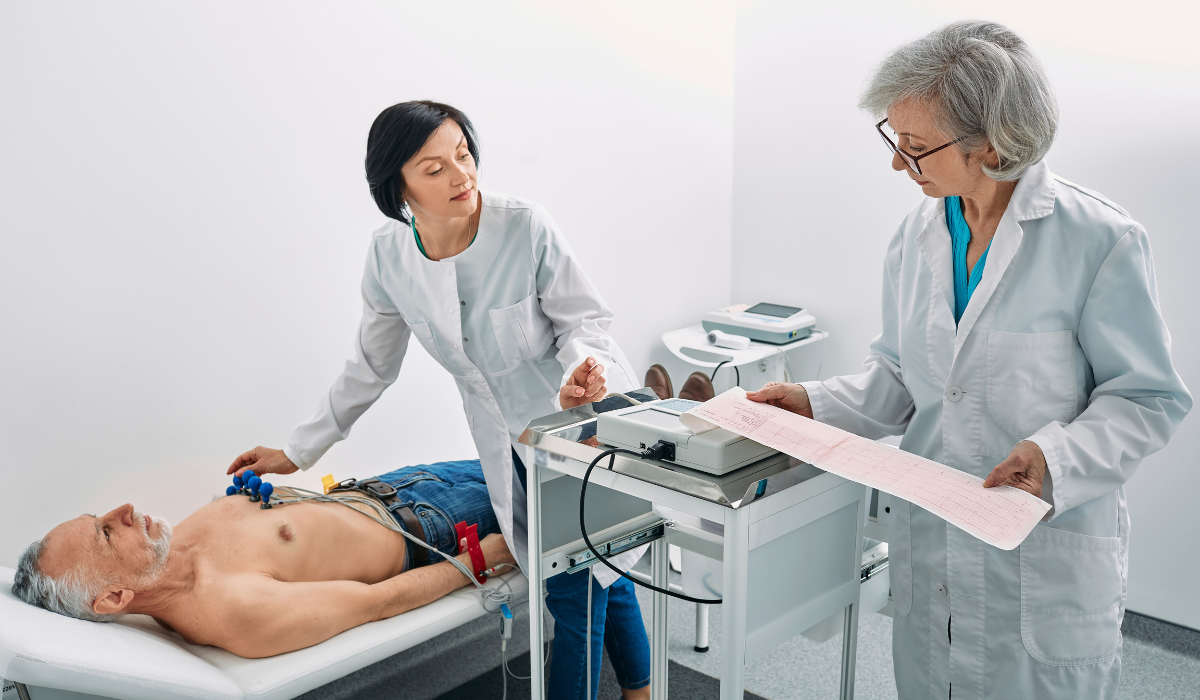
An electrocardiogram (ECG) is a simple and painless test that checks how well your heart is working. It records the electrical signals of the heart and helps doctors understand your heart rhythm and overall heart health. ECG tests are commonly used to detect heart problems early, even before symptoms become serious.
At community health clinics like IAMACF, ECG tests play an important role in providing early and affordable heart care, especially for people who may not have regular access to healthcare.
This article explains what an ECG test is, why it is done, how it works, and what your results may mean.
What Is an Electrocardiogram (ECG)?
An electrocardiogram, also called an ECG or EKG, is a medical test that measures the electrical activity of the heart. Every time your heart beats, it sends out electrical signals that control the heartbeat. An ECG records these signals and shows them as lines and waves on a screen or paper.
Doctors use ECG tests to:
- Check heart rhythm
- Detect heart damage
- Identify heart conditions early
The test is quick, safe, and does not involve needles or pain.
Why Is an ECG Test Important?
Heart disease is one of the most common health problems worldwide. Many heart conditions do not show clear symptoms in the early stages. An ECG helps doctors find problems early so treatment can start on time.
An ECG test can help detect:
- Irregular heartbeats (arrhythmias)
- Heart attacks (past or current)
- Poor blood flow to the heart
- Enlarged heart chambers
- Effects of high blood pressure
- Heart muscle damage
Early testing can reduce serious complications and improve long-term heart health.
Who May Need an ECG Test?
Your doctor may recommend an ECG if you experience symptoms such as:
- Chest pain or discomfort
- Shortness of breath
- Fast or slow heartbeat
- Dizziness or fainting
- Unusual fatigue
- Heart palpitations
You might also require an ECG if you have:
- High blood pressure
- Diabetes
- High cholesterol
- Family history of heart disease
- Previous heart problems
At free clinics like IAMACF, ECG tests are often part of routine heart health evaluations for patients with chronic conditions.
Types of ECG Tests
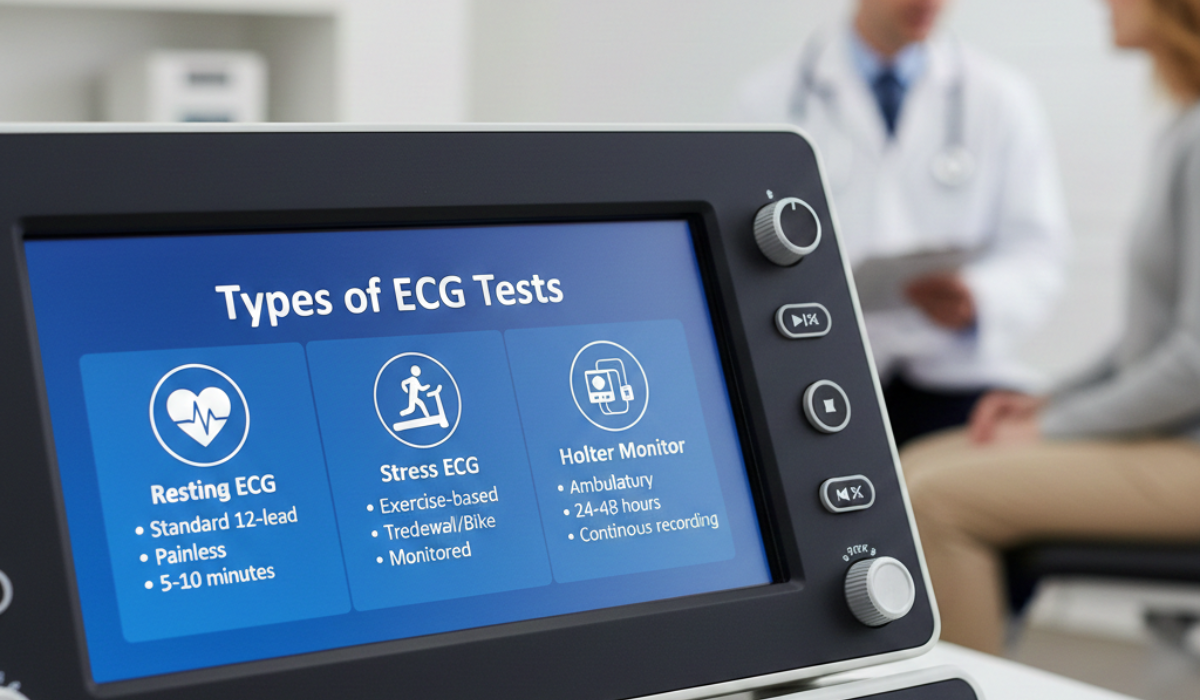
There are different types of ECG tests, depending on your symptoms and medical needs.
- Resting ECG: This is the most common type. You lie down and relax while the test is performed.
- Stress ECG: This test is done while you walk on a treadmill or exercise bike to see how your heart works during activity.
- Holter Monitor: A portable electrocardiogram (ECG) that is worn for 24 to 48 hours to capture cardiac activity during the day. Your doctor will choose the type that best fits your condition.
How Does an ECG Test Work?
An ECG machine records electrical signals from your heart using small sensors called electrodes. These electrodes are placed on your chest, arms, and legs.
The machine records:
- Heart rate
- Heart rhythm
- Strength and timing of electrical signals
The test usually takes 5 to 10 minutes, and results are available quickly.
What Happens During an ECG Test?
The ECG process is simple and comfortable.
Step-by-Step Process:
- You lie down on an exam table
- The technician cleans small areas of your skin
- During the procedure, electrodes are attached to your chest, arms, and legs.
- You are asked to stay still and breathe normally
- The machine records your heart’s activity
There is no pain, shock, or discomfort during the test.
How to Prepare for an ECG Test
ECG tests usually require little preparation.
Before your test:
- Avoid heavy exercise right before
- Wear loose clothing
- Remove metal objects like jewellery.
- Tell your doctor about medications you take
Unless instructed otherwise, you can eat and drink as usual.
Is an ECG Test Safe?
Yes, an ECG test is very safe. It doesn’t conduct electricity through you. It only records the electrical signals your heart already produces.
There are:
- No side effects
- No radiation
- No recovery time needed
After you have finished the test, you are free to immediately return to your regular activities.
Understanding ECG Test Results

ECG results appear as waves and lines that show how your heart is working. A trained healthcare provider reviews the results carefully.
Normal ECG Results
A normal ECG shows:
- Regular heart rhythm
- Normal heart rate
- No signs of damage or stress
Abnormal ECG Results
Abnormal results may indicate:
- Irregular heartbeat
- Heart attack (past or current)
- Blocked blood flow
- Heart muscle weakness
- Effects of high blood pressure
An abnormal ECG does not always mean a serious problem. Your doctor may order more tests for confirmation.
What Happens After an ECG Test?
After reviewing your ECG:
- Your doctor may reassure you if the results are normal
- You may receive lifestyle advice
- Medications may be adjusted
- Additional tests may be recommended
At IAMACF, patients receive guidance and follow-up care to manage heart conditions effectively.
ECG Test for Preventive Heart Care
ECG tests are not only used for diagnosing problems but also for preventive care. Frequent cardiac examinations lower the risk of major heart disease and can identify problems early.
Preventive ECG testing is especially helpful for:
- Older adults
- Patients with chronic diseases
- People with a family history of heart conditions
ECG Testing at IAMACF
IAMACF provides free and low-cost healthcare services to underserved communities in Illinois. ECG testing is part of its commitment to improving heart health through early detection and ongoing care.
The clinic focuses on:
- Preventive heart screenings
- Chronic disease management
- Patient education
- Compassionate, volunteer-driven care
IAMACF welcomes patients from all backgrounds and works to remove barriers to healthcare access.
Benefits of Early ECG Testing
Early ECG testing can:
- Detect heart problems before symptoms worsen
- Reduce emergency hospital visits
- Support long-term heart health
- Improve quality of life
- Guide proper treatment decisions
Regular monitoring makes a big difference, especially for people managing conditions like high blood pressure or diabetes.
When to Talk to a Doctor
You should talk to a healthcare provider if you:
- Feel chest pain
- Experience irregular heartbeat
- Have sudden shortness of breath
- Feel faint or dizzy often
Early evaluation can prevent serious complications.
Final Thoughts
An electrocardiogram (ECG) is a fast, safe, and effective test that helps doctors understand your heart health. It plays a key role in diagnosing heart conditions, monitoring treatment, and supporting preventive care.
Access to ECG testing, especially through community clinics like IAMACF, helps ensure that everyone has the opportunity to protect their heart health—regardless of income or insurance status.
Taking care of your heart today can lead to a healthier future.
FAQ’s
Who should get an ECG test at IAMACF?
IAMACF recommends ECG testing for patients with chest pain, shortness of breath, high blood pressure, diabetes, or a family history of heart disease. It is also helpful for patients receiving ongoing care for chronic heart or blood pressure conditions.
Do I need insurance to get an ECG at IAMACF?
No, insurance is not required to receive an ECG test at IAMACF. The clinic is committed to providing free or low-cost healthcare services to uninsured, low-income, immigrant, and refugee patients in the community.
How long does an ECG test take at IAMACF?
An ECG test at IAMACF usually takes five to ten minutes. The process is quick and painless, allowing patients to receive timely heart screening without long wait times during their clinic visit.
Is the ECG test safe for older adults and chronic patients?
Yes, ECG testing is safe for older adults and patients with chronic conditions such as diabetes or high blood pressure. IAMACF uses ECG tests regularly to monitor heart health and guide ongoing treatment plans safely.
What happens if my ECG results are abnormal at IAMACF?
If your ECG results are abnormal, IAMACF healthcare providers will explain the findings clearly and discuss next steps. This may include lifestyle guidance, medication management, follow-up testing, or referral to appropriate specialty care when needed.
Can ECG testing help prevent heart problems?
Yes, ECG testing helps identify heart issues early, often before serious symptoms appear. At IAMACF, early ECG screening supports preventive care and helps patients manage heart risks, leading to better long-term heart health outcomes.