
We often hear about the importance of drinking enough water, but many don’t realize how staying hydrated affects something as critical as blood pressure. If you’ve ever felt dizzy, lightheaded, or unusually fatigued on a hot day or after skipping water, your body might be warning you. One common question people ask is, “Will dehydration cause high blood pressure?” The answer isn’t as simple as yes or no, but the connection is real.
In the following article, we will discuss how dehydration affects blood pressure, provide key considerations, and offer guidelines on staying safely hydrated.
How Dehydration Affects the Body
Water makes up over 60% of our body. We need it for nearly every function of our body, ranging from lubricating our joints to keeping us warm. If we get dehydrated, our body begins to reprioritize in an attempt to preserve vital life-giving organs and processes.
But here’s where blood pressure comes in. Dehydration lowers blood volume, which makes the heart work harder to push blood through a smaller space. This can sometimes lead to increased blood pressure, especially in those already dealing with hypertension.
Will Dehydration Cause High Blood Pressure?
The short answer is yes, in certain conditions, dehydration can raise blood pressure levels.
Here’s how it works:
- When you’re dehydrated, your blood volume drops.
- To compensate, your body tightens blood vessels (vasoconstriction) to maintain enough pressure to keep organs functioning.
- The result? A temporary or even prolonged spike in blood pressure.
While mild dehydration may not always show symptoms, chronic or repeated dehydration can stress your cardiovascular system, especially if you’re older, already have high blood pressure, or are taking medications that affect fluid balance.
Key Symptoms of Dehydration That May Affect Blood Pressure
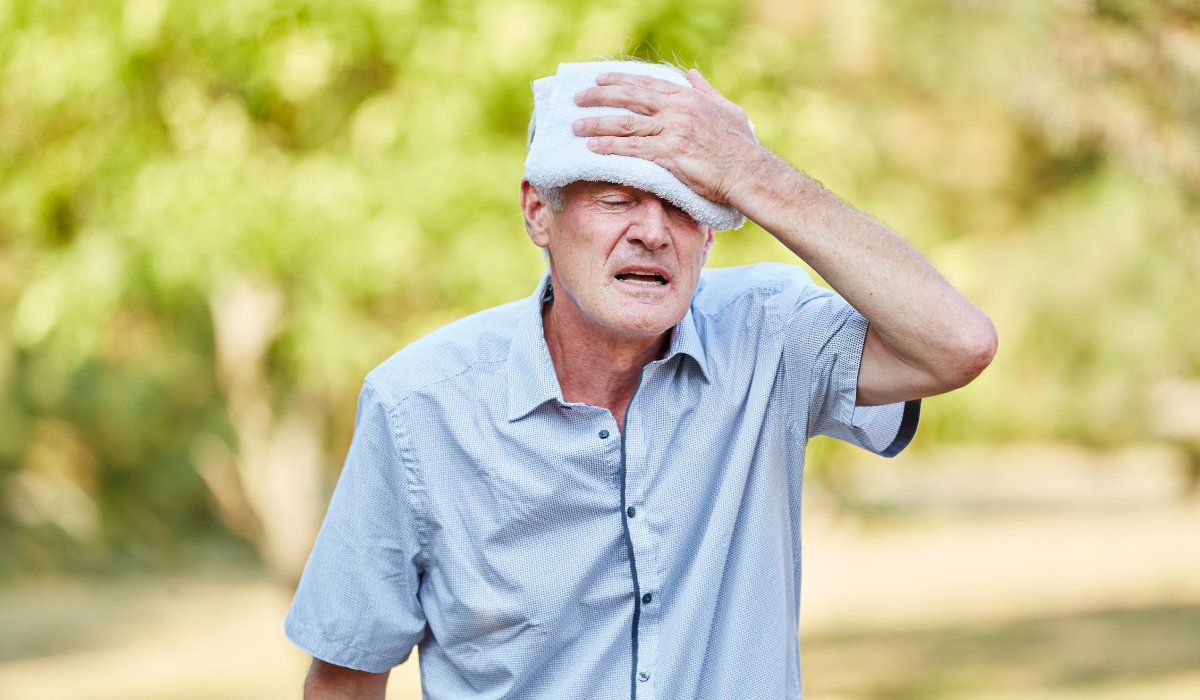
You might not even know you are thirsty until you are dehydrated already. Look out for the following, particularly if you have had problems with your blood pressure:
- Dizziness or dizziness when standing
- Slowness or tiredness
- Dry mouth and parched skin
- Headache or confusion
- Racing or palpitations
- Reduced urination or dark urine
If you find yourself suffering from these daily, it is time to take a look at your drinking patterns.
Who’s at Risk for Dehydration and High Blood Pressure?
Certain individuals are at greater risk for dehydration and blood pressure effects, including:
- Older adults: This individual’s sense of thirst weakens with age. Elderly individuals often do not know they are dehydrated.
- Individuals using diuretics or drugs for high blood pressure: Both of these lead to excessive loss of fluid, straining the heart and kidneys further.
- Athletes or outdoorsmen: Excessive sweating relative to fluid intake produces clear imbalances.
- Individuals with chronic disease, Diabetes, or kidney disease require increased fluid intake.
How Much Water Do You Need?
The “8 glasses a day” is only a rough guideline, however, and people have varied needs. A more functional regimen is to:
- Drink small amounts of liquid frequently throughout the day, even when thirsty.
- Monitor your urine color—it should be light yellow.
- Drink more water during heat, exercise, or sickness.
- Consume foods with high water content, such as watermelon, oranges, and cucumber.
In healthy adults, 2 to 3 liters a day (from food) would be adequate, though individual needs could be varied.
How to Prevent Dehydration and Support Blood Pressure
Prevention of dehydration can be as simple as developing a habit. Just follow these simple steps:
- Carry a refillable water bottle with you wherever you go
- Begin the day with a glass of water
- Have water with food
- Cut down on alcohol and caffeine, which dehydrate you
- Set alarms if you forget frequently
All these small changes can lighten the heart’s load and can normalize your blood pressure.
Conclusion
Dehydration not just makes you tired—it also harms your blood pressure and heart a tiny bit, as well. So, will dehydration cause high blood pressure? Yes, particularly if it’s chronic or if you have other risk factors. Hydration is one of the easiest and best things you can do for your heart.
Don’t forget that your body is talking back to you. Whenever a symptom of tiredness, dizziness, or an irregular pulse pops up, hydrating may be the answer to your problem. Don’t wait until you are thirsty—water intake needs to be second nature, and guard your blood pressure before it becomes a problem.
FAQ’s
Can drinking more water lower high blood pressure?
Yes, it keeps your blood volume healthy and lessens the workload on your heart, which can control blood pressure.
How fast can dehydration affect blood pressure?
For extreme exercise or in very hot weather, blood pressure adjustments will happen in hours if fluids are not replenished.
What drinks help with hydration and blood pressure?
Water is the best. Herbal teas, diluted half or quarter-strength fruit juices, and milk are all okay too. Caffeinated beverages and sugary beverages should be avoided.
Is thirst a reliable sign of dehydration?
No. If you are thirsty, you would already have been mildly dehydrated. Urine color and good drinking habits are better indicators.