Sleep is a vital component of our overall health, yet many people underestimate the dangers of untreated sleep disorders. Among these, sleep apnea stands out as one of the most common yet potentially deadly conditions. If left unrecognised and unmanaged, sleep apnea can significantly impact quality of life, and in severe cases, it can be fatal. This article explores whether Can sleep apnea kill you, its warning signs, and its serious health risks.
What is Sleep Apnea?
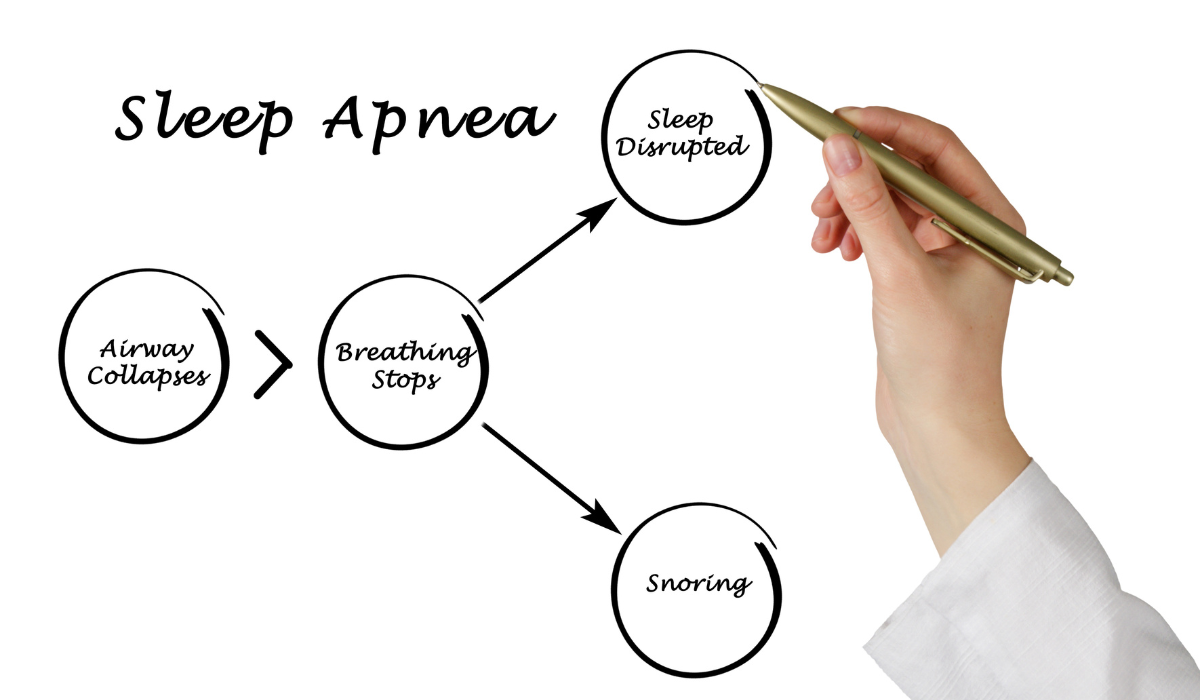
Sleep apnoea is a sleep disorder that causes breathing to stop and start many times during sleep. These interruptions, called apneas, can last from a few seconds to over a minute and may occur dozens or even hundreds of times throughout the night. Sleep apnoea is classified into three primary types:
- Obstructive Sleep Apnea (OSA): The most common form, caused by a physical airway blockage, often due to relaxed throat muscles.
- Central Sleep Apnea (CSA): A less common form, caused by the brain failing to send proper signals to the muscles that control breathing.
- Complex Sleep Apnea: Also known as treatment-emergent central sleep apnea, this is a combination of obstructive and central sleep apnea.
Regardless of the type, all forms of sleep apnea disrupt the body’s normal sleep cycle and reduce oxygen levels, which can have serious long-term health consequences.
Can Sleep Apnea Kill You?
The short answer is yes. Sleep apnea can indirectly lead to death if it is severe and untreated. Here’s why:
- Heart Problems: The repeated drops in oxygen during apneas put a strain on the cardiovascular system. This can lead to high blood pressure, irregular heartbeats, heart attacks, and heart failure.
- Stroke Risk: Reduced oxygen levels and increased blood pressure from sleep apnea significantly increase the risk of stroke.
- Accidents: Daytime fatigue and excessive sleepiness caused by poor sleep can lead to motor vehicle accidents and workplace injuries, which can be fatal.
- Complications During Surgery: Patients with sleep apnea are at higher risk for breathing complications under anaesthesia.
Research shows that severe untreated sleep apnea increases the risk of death from cardiovascular disease. In fact, studies suggest that people with severe OSA have a 3-4 times higher risk of dying prematurely compared to those without the condition.
Warning Signs of Sleep Apnea
Identifying sleep apnea early is crucial for preventing life-threatening complications. Common signs and symptoms include:
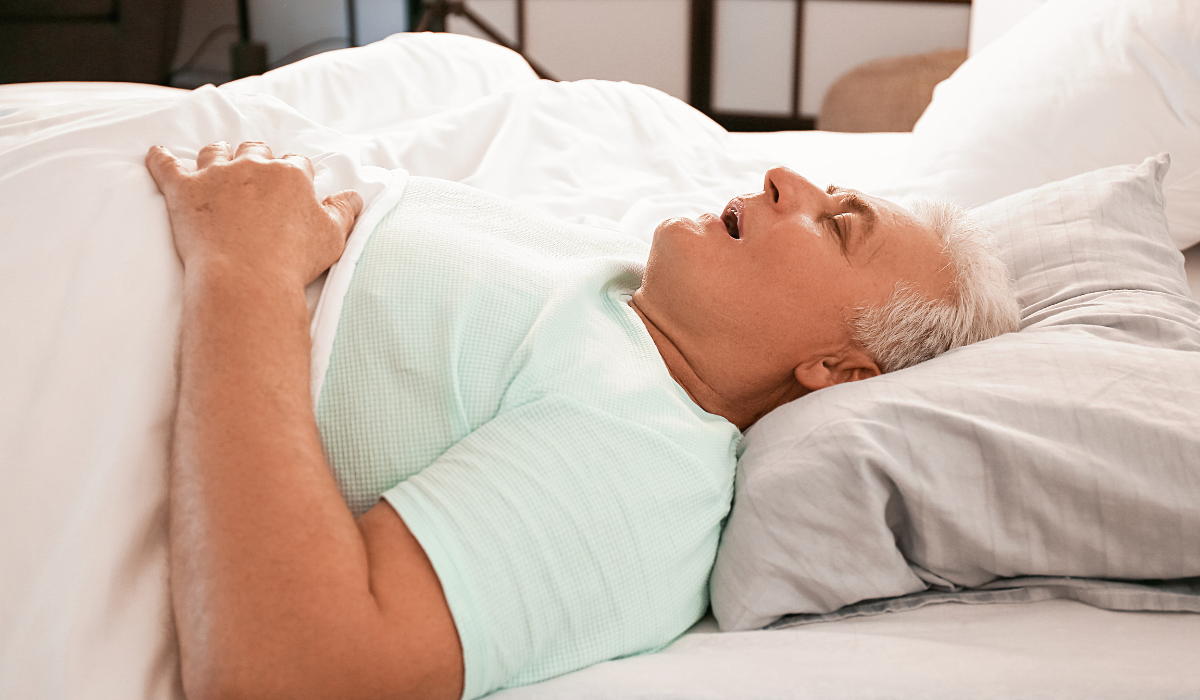
- Loud Snoring: While not everyone who snores has sleep apnea, loud and frequent snoring is a key indicator of OSA.
- Pauses in Breathing: Observed by a partner, these pauses may last a few seconds or longer, often followed by choking or gasping.
- Excessive Daytime Sleepiness: Feeling extremely tired during the day despite getting adequate sleep can indicate disrupted sleep patterns.
- Morning Headaches: Low oxygen levels and poor sleep can lead to frequent headaches upon waking.
- Difficulty Concentrating: Poor sleep affects cognitive function, memory, and decision-making.
- Irritability and Mood Changes: Sleep deprivation can lead to mood swings, depression, and anxiety.
- High Blood Pressure: Sleep apnea is strongly linked to hypertension, even in younger adults.
If you or a loved one exhibits several of these symptoms, it is essential to consult a healthcare provider for evaluation.
Serious Health Risks of Sleep Apnea
Sleep apnea doesn’t just make you feel tired—it can have serious, long-term health effects:
1. Cardiovascular Disease
Sleep apnea is closely linked with heart disease. The repeated oxygen deprivation during apneas triggers stress responses in the body, causing increased heart rate, higher blood pressure, and inflammation in the blood vessels. Over time, this significantly raises the risk of heart attacks, heart failure, and arrhythmias (irregular heartbeats).
2. Stroke
Oxygen deprivation and high blood pressure caused by sleep apnea increase the likelihood of stroke. In fact, research suggests that people with severe OSA are three times more likely to experience a stroke than those without the condition.
3. Diabetes and Insulin Resistance
Sleep apnea is linked to insulin resistance and type 2 diabetes. Interrupted sleep affects glucose metabolism, making it harder for the body to regulate blood sugar levels. This creates a dangerous cycle of worsening metabolic health.
4. Obesity
Obesity and sleep apnea often coexist. Excess weight can contribute to airway obstruction, worsening sleep apnea. Conversely, poor sleep disrupts hormones that regulate appetite, leading to weight gain. This bidirectional relationship creates a dangerous health loop.
5. Liver Problems
People with sleep apnea are more likely to have abnormal liver function tests and non-alcoholic fatty liver disease (NAFLD). Chronic oxygen deprivation and sleep disruption can exacerbate liver inflammation and fibrosis.
6. Mental Health Issues
Chronic sleep deprivation caused by sleep apnea can lead to mood disorders, including depression, anxiety, and irritability. Cognitive function is also affected, resulting in memory problems, poor decision-making, and reduced attention span.
7. Complications During Surgery
Sleep apnea increases the risk of complications during surgery due to sensitivity to sedatives and anaesthesia. The airway may collapse more easily under sedation, leading to breathing difficulties and postoperative complications.
Risk Factors for Sleep Apnea
Some things make it more likely that you may get sleep apnea:
- Excess weight: Fat deposits around the neck can obstruct the airway.
- Age: Adults over 40 are more likely to have sleep apnoea.
- Gender: Men are at higher risk, though women are more likely to develop it after menopause.
- Family History: Genetics can influence airway structure and sleep patterns.
- Smoking and Alcohol: Both relax throat muscles, increasing the risk of airway obstruction.
- Nasal Congestion: Chronic nasal obstruction can contribute to breathing problems during sleep.
Diagnosis and Treatment
If sleep apnea is suspected, a healthcare provider may recommend a sleep study, known as polysomnography, to monitor sleep patterns, oxygen levels, and breathing interruptions.
Treatment Options
- Lifestyle Changes: Weight loss, quitting smoking, and reducing alcohol intake can improve symptoms.
- Continuous Positive Airway Pressure (CPAP): A CPAP machine keeps the airway open during sleep and is the most effective treatment for moderate to severe OSA.
- Oral Appliances: Dental devices that reposition the jaw and tongue to keep the airway open can help mild to moderate cases.
- Surgery: In severe cases, surgery may be required to remove tissue, correct structural problems, or implant devices to stimulate airway muscles.
Early detection and treatment adherence can dramatically reduce health risks and improve quality of life.
Preventive Measures
Even if you are not diagnosed with sleep apnea, these preventive measures can reduce your risk:
- Maintain a healthy weight.
- Exercise regularly to strengthen muscles, including those supporting the airway.
- Avoid alcohol and sedatives before bedtime.
- Sleep on your side rather than on your back.
- Treat nasal congestion promptly.
Conclusion
Sleep apnea is far more than just loud snoring or daytime sleepiness—it is a serious medical condition that can lead to life-threatening complications if left untreated. While it may not directly kill someone, the long-term effects on the heart, brain, and metabolic system can significantly increase the risk of premature death. Recognising the warning signs, seeking professional evaluation, and adhering to treatment are essential steps to protecting your health.
If you suspect you have sleep apnea, don’t ignore it. Early intervention can not only improve your sleep quality but also save your life. Sleep is not a luxury—it’s a vital component of your overall health, and protecting it may be one of the most important things you do for yourself.
FAQs
Can sleep apnea cause death?
Yes, untreated sleep apnea can increase the risk of fatal conditions like heart attacks, strokes, and severe accidents due to daytime fatigue. While it may not directly kill, its long-term effects on the heart and brain can be life-threatening.
What are the main signs of sleep apnea?
Common signs include loud snoring, pauses in breathing during sleep, excessive daytime sleepiness, morning headaches, difficulty concentrating, irritability, and high blood pressure. Noticing several of these symptoms warrants medical evaluation.
Who is at risk for sleep apnea?
People who are overweight, over 40, male, have a family history of sleep apnea, smoke, drink alcohol, or suffer from nasal congestion are at higher risk. Hormonal changes in women after menopause also increase susceptibility.
How is sleep apnea diagnosed?
Sleep apnea is typically diagnosed through a sleep study (polysomnography) that monitors breathing patterns, oxygen levels, heart rate, and brain activity during sleep. Home sleep tests are also available for some patients.
What treatments are available for sleep apnea?
Treatment depends on severity and may include lifestyle changes, CPAP machines, oral appliances, or surgery. Early intervention reduces serious health risks and improves sleep quality and overall health.