
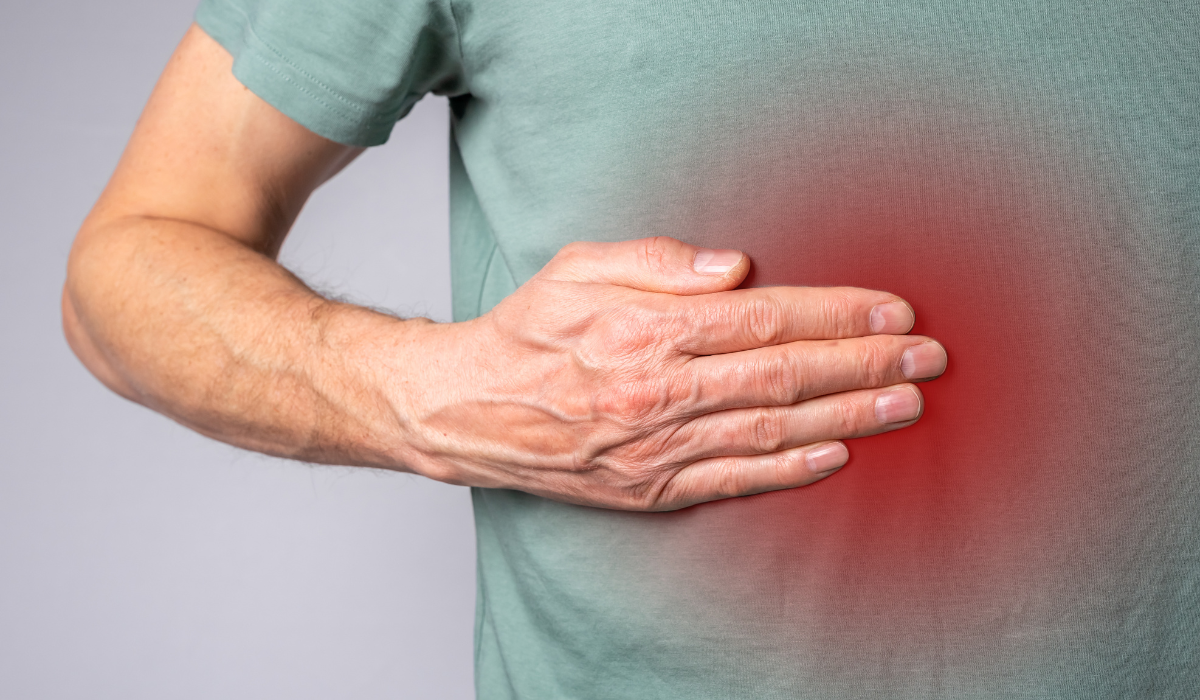
One of the most vital organs in the human body is the liver. It works as the body’s natural filter, removing toxins, breaking down fats, aiding in digestion, and supporting hundreds of metabolic functions. Because the liver is central to overall health, keeping it in good condition is essential. Unfortunately, factors like poor diet, alcohol consumption, stress, medication use, and environmental toxins can put extra strain on this vital organ.
This is where supplements and multivitamins for liver health can play a significant role. While a balanced diet and healthy lifestyle should always come first, adding targeted nutrients may give your liver the extra support it needs. This article will explore the best supplements and multivitamins for liver health, how they work, and what you should know before adding them to your routine.
Why Liver Health Matters
Your liver performs more than 500 vital tasks every day. Some of its most important roles include:
- Detoxification: Filtering out toxins from food, alcohol, and medications.
- Metabolism: Converting carbohydrates, fats, and proteins into usable energy.
- Bile Production: Supporting the digestion and absorption of fats.
- Storage: Holding vitamins, minerals, and glycogen for future use.
- Immune Defense: Acts as a first line of defense against bacteria and infections.
When the liver is compromised—whether by fatty liver disease, excessive alcohol use, or prolonged stress—it can affect nearly every aspect of your health. Early symptoms like fatigue, bloating, or poor digestion may appear subtle, but over time, liver damage can become severe and irreversible. This makes proactive care essential.
How Supplements Support Liver Health
Supplements and multivitamins designed for liver support typically work in three ways:
- Detoxification support – Helps the liver process and eliminate harmful toxins.
- Antioxidant protection – Reducing oxidative stress and protecting liver cells from free radical damage.
- Nutrient replenishment – Providing essential vitamins and minerals that keep the liver functioning at its best.
These supplements are not meant to replace healthy eating, but they can complement lifestyle choices by strengthening the liver’s resilience.
Best Supplements for Liver Health
Milk Thistle (Silymarin)
Milk thistle is perhaps the most well-known supplement for liver health. Silymarin, its main ingredient, is a potent anti-inflammatory and antioxidant.
Benefits:
- Protects liver cells from toxins and damage.
- Supports regeneration of new liver cells.
- Reduces inflammation and oxidative stress.
Research:
Multiple studies have shown that milk thistle may benefit people with liver conditions such as cirrhosis, fatty liver disease, and hepatitis.
How to Take:
Typically available in capsules or teas, with standard doses ranging from 200–400 mg of silymarin per day.
Turmeric (Curcumin)
Turmeric, the golden spice, contains curcumin—a compound known for its strong anti-inflammatory and antioxidant effects.
Benefits:
- Reduces liver inflammation.
- Enhances bile flow for better digestion.
- Protects against oxidative stress caused by alcohol or toxins.
Research:
Studies suggest that curcumin supplementation may help improve liver enzyme levels in people with non-alcoholic fatty liver disease (NAFLD).
How to Take:
For best absorption, choose a curcumin supplement combined with black pepper extract (piperine). Typical doses range from 500–1000 mg daily.
N-Acetyl Cysteine (NAC
NAC is a precursor to glutathione, the body’s most important antioxidant, which plays a crucial role in detoxification.
Benefits:
- Restores glutathione levels in the liver.
- Helps protect against alcohol- or medication-induced liver damage.
- Supports overall detoxification pathways.
Research:
NAC is even used in hospitals to treat acetaminophen (Tylenol) overdoses, which can cause severe liver injury.
How to Take:
Common supplemental doses are 600–1200 mg daily.
Alpha-Lipoic Acid (ALA)
ALA is another potent antioxidant that helps recycle other antioxidants like vitamin C and E.
Benefits:
- Supports liver detox pathways.
- Reduces oxidative stress.
- Enhances insulin sensitivity, which may benefit those with fatty liver disease.
Research:
Some studies suggest ALA may help protect against liver injury caused by toxins and improve liver enzyme markers.
How to Take:
Typical doses range from 300–600 mg per day.
Dandelion Root
Dandelion root has been traditionally used for liver and digestive health.
Benefits:
- Stimulates bile production.
- Supports digestion and fat metabolism.
- May help reduce liver inflammation.
Research:
Though more human studies are needed, animal research shows promising effects on liver protection and detoxification.
How to Take:
Commonly consumed as tea or in capsule form, with daily doses ranging from 500–2000 mg.
Artichoke Leaf Extract
Artichoke contains compounds that benefit liver and gallbladder function.
Benefits:
- Stimulates bile production.
- Aids the digestion of fats.
- It may help lower cholesterol and protect the liver.
Research:
Some studies suggest artichoke leaf extract may improve liver enzymes in people with fatty liver disease.
How to Take:
Typical dosage ranges between 300–600 mg daily.
Omega-3 Fatty Acids
Omega-3s, found in fish oil and flaxseed oil, support overall liver and heart health.
Benefits:
- Reduce liver fat in people with NAFLD.
- Lower inflammation and triglycerides.
- Promote healthy fat metabolism.
Research:
Clinical studies show that omega-3 supplements can reduce fat buildup in the liver.
How to Take:
Aim for 1000–3000 mg of EPA and DHA daily.
Vitamin E
Vitamin E is a fat-soluble antioxidant that can protect liver cells from oxidative damage.
Benefits:
- Reduces liver inflammation.
- Improves liver enzyme levels in NAFLD patients.
Research:
High-dose vitamin E (800 IU/day) has shown benefits for non-alcoholic steatohepatitis (NASH), a more severe form of fatty liver disease.
How to Take:
Usually recommended at 200–800 IU daily, but should only be taken under medical supervision, especially at higher doses.
Multivitamins for Liver Health

While individual supplements are helpful, a high-quality multivitamin designed for liver health can provide a balanced blend of nutrients. Key vitamins and minerals to look for include:
- B-complex vitamins (B6, B12, Folate, Niacin, Riboflavin, Thiamine): Essential for energy metabolism and detoxification.
- Vitamin C: A powerful antioxidant that protects liver cells.
- Vitamin D: Supports immune and metabolic function.
- Zinc: Helps in tissue repair and enzyme activity.
- Selenium: Works with glutathione for detoxification.
- Magnesium: Supports hundreds of enzymatic processes, including detoxification.
A well-formulated multivitamin ensures the liver has all the micronutrients it needs for optimal function.
Lifestyle Tips to Boost Liver Health
Supplements are only one part of the equation. To truly support your liver, combine them with healthy lifestyle practices:
- Maintain a balanced diet – Focus on whole foods, vegetables, fruits, lean proteins, and healthy fats.
- Stay hydrated – Adequate water intake helps flush out toxins.
- Limit alcohol and processed foods – These put unnecessary strain on the liver.
- Exercise regularly – Physical activity reduces fat buildup in the liver.
- Avoid unnecessary medications and toxins – Use medications only when prescribed and limit exposure to chemicals.
- Maintain a healthy weight – Excess fat increases the risk of fatty liver disease.
Precautions Before Taking Supplements
While supplements and multivitamins can be beneficial, they should not be taken without proper consideration.
- Consult your doctor if you have liver disease or are on medication.
- Stick to recommended doses to avoid toxicity.
- Choose reputable brands with third-party testing to ensure quality.
- Remember: Supplements are supportive, not a replacement for medical treatment.
Final Thoughts
The liver works tirelessly to keep you healthy, but it often goes unnoticed until problems arise. By supporting your liver with the right supplements and multivitamins—such as milk thistle, NAC, turmeric, omega-3s, and antioxidant-rich vitamins—you can help protect this vital organ and promote long-term wellness.
Combined with a nutrient-rich diet, regular exercise, and mindful lifestyle choices, supplements can give your liver the reinforcement it needs to handle the daily challenges of modern living. Investing in liver health today means investing in a healthier, more energetic future.
FAQ’s
Why are supplements important for liver health?
Supplements support liver health by providing essential vitamins, antioxidants, and herbs that help detoxify the body, reduce inflammation, and improve liver function. They work alongside a balanced diet and healthy lifestyle, ensuring the liver can filter toxins effectively and stay strong over time.
Which vitamins are best for liver health?
Vitamins like B-complex, C, D, and E are highly beneficial for liver health. They aid in reducing oxidative stress, support enzyme activity, and enhance detoxification. Regular intake through diet or supplements helps maintain liver function, boost immunity, and prevent common liver-related issues naturally.
What herbal supplements support the liver?
Milk thistle, turmeric, and dandelion root are popular herbal supplements for liver support. They are rich in antioxidants and anti-inflammatory compounds that protect liver cells from damage, promote detoxification, and may even support regeneration, making them widely recommended in natural liver care routines.
Can multivitamins improve liver function?
Yes, multivitamins formulated with antioxidants, minerals, and liver-supportive herbs can improve overall liver function. They replenish nutrient deficiencies, reduce free radical damage, and promote healthy metabolism. Combined with a healthy lifestyle, they provide consistent support to keep the liver working efficiently and resiliently.
Are liver supplements safe for daily use?
Most liver supplements are safe when taken in recommended doses. However, quality matters—choosing reputable brands and consulting a healthcare professional is essential. Overuse or mixing supplements with certain medications can strain the liver, so guidance ensures safety and maximum benefit without harmful side effects.