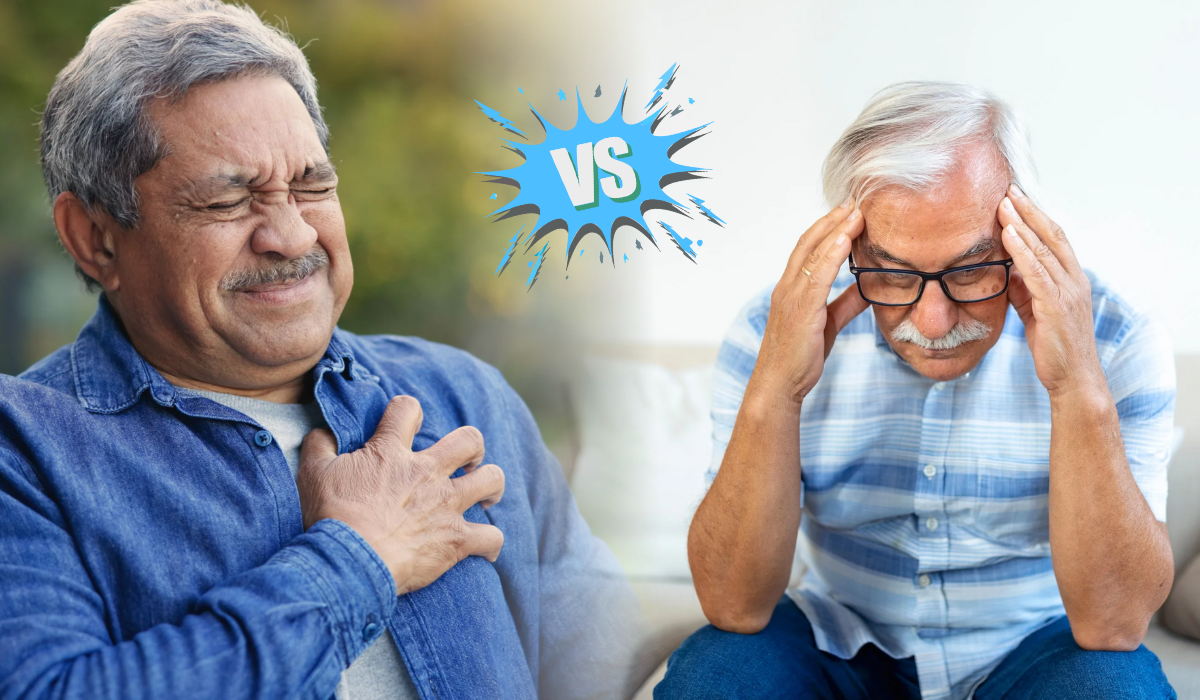
Mental health is one of the most misunderstood areas of human well-being. While people are becoming more open about discussing conditions like anxiety, depression, and panic disorders, confusion still lingers around certain terms. Two of the most commonly interchanged phrases are anxiety attack vs panic attack.
At first glance, they may seem the same—both can cause intense distress, a racing heart, and overwhelming fear. However, the causes, duration, and intensity differ significantly. Not knowing the difference, therefore, might cause symptoms to worsen; in addition, it can delay appropriate treatment and, moreover, even conceal more serious health problems.
This article will explore the differences between anxiety attacks and panic attacks, their symptoms, causes, and treatment options, and how to recognize when it’s time to seek professional help.
What Is an Anxiety Attack?
Although an anxiety attack isn’t an official clinical diagnosis, the term is widely used to describe episodes of overwhelming anxiety or fear that are triggered by stressors. In addition, recognizing these episodes can help individuals identify patterns and seek appropriate coping strategies. Unlike panic attacks, which often strike unexpectedly, anxiety attacks usually build up gradually in response to ongoing worries or stressful situations.
Common Triggers of Anxiety Attacks:
- Work or academic deadlines
- Relationship problems
- Financial stress
- Health concerns
- Social situations or public speaking
- Major life changes (moving, divorce, loss)
Symptoms of an Anxiety Attack:
Symptoms often vary depending on the individual and the trigger, but typically include:
- Excessive worry or obsessive thoughts
- Restlessness or irritability
- Muscle tension and headaches
- Difficulty concentrating
- Sleep disturbances
- Rapid heartbeat or palpitations
- Shortness of breath or hyperventilation
- Fatigue or feeling drained after the episode
In contrast to panic attacks, these feelings, which vary in intensity, can linger for hours or even days.
What Is a Panic Attack?
In contrast, a panic attack is listed as a clinical disease in the Diagnostic and Statistical Manual of Mental Disorders (DSM-5). Specifically, sudden, acute outbursts of terror or fear—known as panic attacks—can occur abruptly and without any apparent cause. Moreover, they are considered a hallmark symptom of panic disorder; however, they can also appear in people with other anxiety-related conditions.
Characteristics of a Panic Attack:
- Comes on suddenly and peaks within 10 minutes
- Feels overwhelming and uncontrollable
- Often mistaken for a medical emergency, such as a heart attack
Common Symptoms of a Panic Attack:
- Chest pain or pressure
- Trembling or shaking
- Profuse sweating
- Chills or hot flashes
- Dizziness, lightheadedness, or fainting
- Feeling detached from reality (derealization)
- Fear of losing control or “going crazy”
- Fear of dying
A panic attack is usually shorter than an anxiety attack but far more intense, often leaving the person completely exhausted afterward.
Key Differences Between Anxiety and Panic Attacks
| Factor | Anxiety Attack | Panic Attack |
|---|---|---|
| Onset | Builds gradually in response to stress | Sudden and unexpected |
| Triggers | Specific stressors (work, relationships, life events) | Often, nothing can occur “out of the blue” |
| Duration | Hours to days | 10–30 minutes (sometimes longer, but intense peak) |
| Intensity | Mild to moderate, can escalate | Severe and overwhelming |
| Symptoms | Worry, tension, restlessness, fatigue | Chest pain, shaking, fear of dying, detachment |
| Aftermath | Lingering unease and fatigue | Intense exhaustion but often short-lived |
Understanding these distinctions helps identify what you may be experiencing and find the right strategies to manage symptoms.
Causes and Risk Factors
Causes of Anxiety Attacks:
- Chronic stress
- Underlying anxiety disorders (generalized anxiety disorder, social anxiety disorder)
- Traumatic events
- Perfectionism or high-pressure environments
- Medical conditions like thyroid issues
Causes of Panic Attacks:
- Panic disorder (primary cause)
- Major life stress (bereavement, divorce, job loss)
- Family history of panic disorder
- Substance use (caffeine, drugs, alcohol withdrawal)
- Certain medications (like stimulants or steroids)
The Overlap: Why People Get Confused
The overlap of symptoms—such as a racing heart, shortness of breath, and overwhelming fear—therefore often explains why many people confuse anxiety attacks with panic attacks. Consequently, it is important to examine the context and triggers of each episode. In addition, understanding these nuances can help guide appropriate treatment and coping strategies. Consequently, understanding these similarities, as well as their differences, is essential for accurate recognition and effective management. Moreover, this similarity highlights the need for clear awareness and proper diagnosis.
As a result, it becomes important to look at the context and underlying triggers to tell them apart. Consequently, understanding these similarities, as well as their differences, is essential for proper recognition and treatment. Both can make you feel out of control and deeply unsettled. However, the context is usually the differentiating factor. In fact, anxiety attacks often stem from ongoing worries and stressors. By contrast, panic attacks tend to appear suddenly and, moreover, often without any clear warning. Therefore, recognizing this distinction is key to understanding and managing both conditions effectively.
When to Seek Medical Help
Not all episodes of anxiety or panic require emergency medical care. However, there are situations where it’s crucial to seek professional help:
- If symptoms mimic a heart attack —such as chest pain, difficulty breathing, or dizziness—always consult a doctor.
- If panic or anxiety attacks are frequent: More than a few times a month may indicate an underlying disorder.
- If daily functioning is impaired: Trouble working, studying, or maintaining relationships due to anxiety.
- If there’s substance abuse involved: Alcohol or drug use may worsen episodes.
- If depression or suicidal thoughts are present, Immediate professional support is essential.
Coping Strategies and Treatments
The good news is that both anxiety and panic attacks are manageable with proper treatment and coping strategies.
Lifestyle Strategies:
- Regular exercise: Reduces stress hormones and boosts mood.
- Mindfulness and meditation: Helps calm racing thoughts.
- Breathing techniques: Slow, deep breathing counters hyperventilation.
- Balanced diet: Avoid excessive caffeine and sugar, which can trigger symptoms.
- Adequate sleep: Rest supports emotional regulation.
Professional Treatments:
- Cognitive behavioural therapy CBT: assists in recognising and combating harmful thought patterns.
- Exposure Therapy: Gradual exposure to fear-inducing triggers (especially for panic disorder).
- Medication:
SSRIs or SNRIs (antidepressants)
Benzodiazepines (short-term use for panic)
Beta-blockers (reduce physical symptoms like rapid heartbeat)
Self-Help Practices During an Episode:
- First, focus on your breath: inhale slowly for 4 seconds, hold for 2, and exhale for 6.
- Next, try exercises to help ground yourself: for example, list five things you see, four things you feel, and three things you hear.
- Then, remind yourself: “This will pass. I am safe.”
- Finally, find a calm environment by stepping away from stressful surroundings if possible.
Supporting Someone Experiencing an Attack

If a loved one is experiencing anxiety or a panic attack, your support can make a difference.
What to Do:
- First, stay calm and patient.
- Next, encourage slow, steady breathing to help them regain control.
- Then, remind them that the episode will pass and they are safe.
- After that, offer a quiet, comfortable space to reduce stress.
- Finally, if episodes recur, gently suggest seeking professional help.
What Not to Do:
- Don’t disregard their emotions by saying, “It’s all in your head.”
- Don’t force logic during an attack—it won’t help in the moment.
- Don’t pressure them to “snap out of it.”
Myths and Misconceptions
“Anxiety attacks and panic attacks are the same.”
– False. In fact, they have different triggers and intensities.
“Only weak people have panic attacks.”
– False. In reality, panic episodes may happen to anyone, irrespective of their resilience or inner strength.
“If you ignore it, it will go away.”
– False. Without proper management, symptoms can, in fact, worsen over time.
“Medication is the only solution.”
– False. Moreover, lifestyle changes and therapy can be highly effective in managing symptoms.
Conclusion: Don’t Confuse the Warning Signs
While both anxiety attacks and panic attacks disrupt daily life, it is nonetheless crucial to distinguish between them in order to ensure effective management. Moreover, understanding the differences can guide appropriate treatment and coping strategies. Anxiety attacks are often tied to specific stressors and build over time, while panic attacks strike suddenly and with overwhelming intensity.
Recognizing the difference not only helps individuals seek the right treatment but also allows them to develop coping strategies and support loved ones who may be struggling. Furthermore, if episodes are frequent or disabling, professional help should never be delayed.
Mental health challenges are not signs of weakness; rather, they are medical conditions that deserve understanding, compassion, and care. Moreover, by learning the warning signs, we can prevent confusion and, ultimately, move toward better well-being.
FAQ’s
How to tell the difference between an anxiety attack vs panic attack?
A panic attack involves a sudden, overwhelming episode of intense fear with a peak in symptoms within minutes, often with a physical threat, whereas an “anxiety attack” is a less formal term for periods of heightened anxiety and worry that develop more gradually in response to stressors and can last longer.
How to handle anxiety attacks?
To handle anxiety attacks, first of all, use grounding techniques like the 5-4-3-2-1 method (identify 5 things you see, 4 you can touch, etc.); in addition, practice deep, slow breathing to gradually regain control. After that, acknowledge the attack as temporary and not dangerous; in doing so, you can reduce fear in the moment and regain a sense of stability. In the long term, however, it is important to consult a doctor or therapist for treatment options. In addition, practice stress management techniques such as exercise and mindfulness to strengthen resilience. Finally, pay attention to lifestyle factors—such as caffeine, alcohol, and sleep—that can significantly influence anxiety levels.
Do panic attacks have warning signs?
The heart may feel as if it’s beating very hard or racing. “If someone feels as if they’re losing control during a panic attack, they might start holding their chest and changing their breathing,” says Chapman.
What do people confuse panic attacks with?
Generally, those with an anxiety disorder have most likely experienced a panic or anxiety attack at some point in their lives. In many cases, the symptoms can closely mimic heart attacks; for example, individuals may feel chest pain, shortness of breath, heart palpitations, or a racing heartbeat.
Can caffeine trigger panic attacks?
Yes, caffeine can indeed induce panic attacks; in fact, this is particularly true for individuals with existing anxiety or panic disorders. This is because it can mimic or, moreover, amplify anxiety symptoms such as nervousness, a racing heart, and restlessness. Caffeine stimulates the central nervous system; as a result, it can trigger a surge of adrenaline and other effects that resemble panic. Moreover, consuming high doses may lead to anxiety and panic attacks even in otherwise healthy individuals.