
Most people have felt that burning feeling in their chest after a big meal. But when it keeps coming back — day after day, week after week — it stops being just an inconvenience and starts becoming a real problem. That burning is one of the most common chronic acid reflux symptoms, and it affects millions of people across the country every single day.
At IAMACF Community Health Clinic in Chicago, we see many patients who have been dealing with acid reflux for months or even years without getting the care they need — often because of cost or lack of access. We want you to know: you don’t have to just live with it. Understanding what’s happening in your body is the first step towards feeling better.
What Is Chronic Acid Reflux?
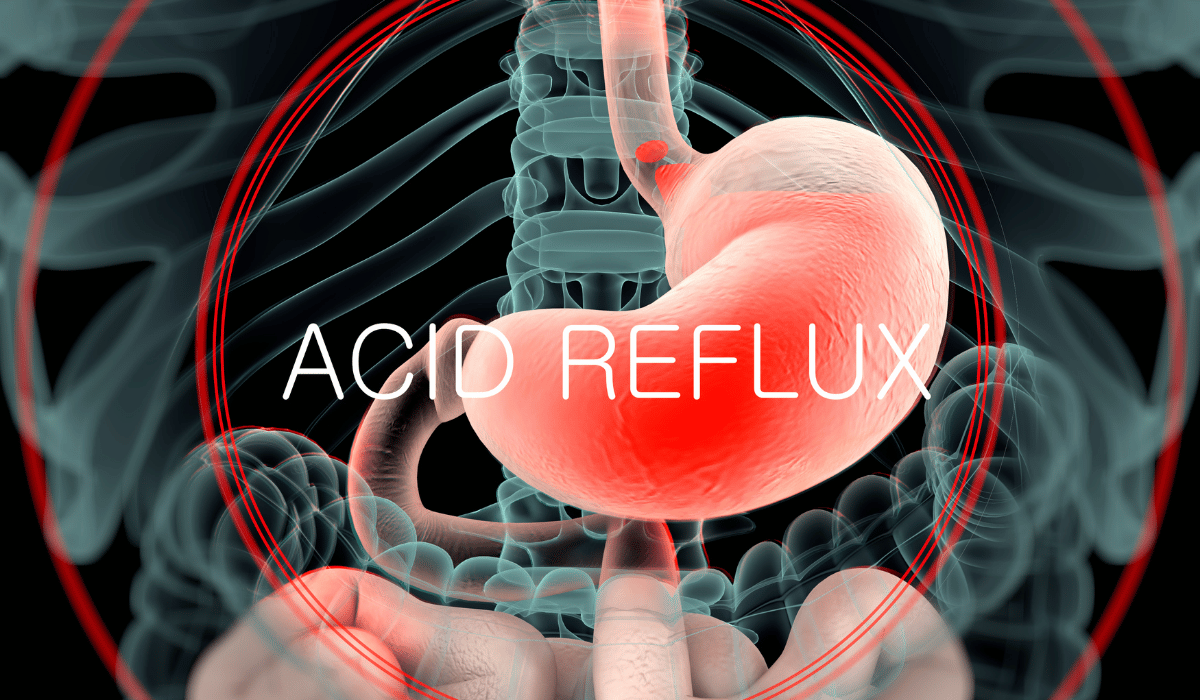
Acid reflux happens when stomach acid travels back up into the tube that connects your mouth to your stomach – called the oesophagus. This happens because a muscle at the bottom of your oesophagus, which is supposed to act like a one-way door, doesn’t close tightly enough.
When this happens occasionally — like after a spicy meal or a heavy dinner — it’s completely normal. But when it starts happening regularly, two or more times a week, it becomes what doctors call Gastroesophageal Reflux Disease, or GERD.
GERD is a chronic condition, meaning it doesn’t go away on its own without some changes or treatment. The good news is that it is very manageable when caught and treated properly.
Common Chronic Acid Reflux Symptoms
Chronic acid reflux symptoms can range from mildly uncomfortable to genuinely disruptive to daily life. Here’s what to watch for:
Heartburn
This is the most well-known symptom. It feels like a burning or warmth in the chest, usually starting behind the breastbone and sometimes moving up towards the throat. It often gets worse after eating, when lying down, or when bending over. Many people feel it most at night, which can make it hard to sleep.
Regurgitation
This is when food or liquid from your stomach comes back up into your mouth or throat. It can taste sour or bitter, and it’s one of the more unpleasant chronic acid reflux symptoms. Some people mistake it for vomiting, but it happens without the nausea or effort.
Difficulty Swallowing
If acid keeps irritating your oesophagus over time, it can cause swelling or narrowing that makes swallowing feel harder than usual. Some people describe it as a feeling of being “stuck” in the chest or throat.
Chronic Cough
A lot of people don’t connect their nagging cough to acid reflux. But when acid reaches the throat and airways, it can trigger coughing fits — especially at night or in the morning. If you’ve had a cough that just won’t go away and no other cause has been found, GERD might be the reason.
Hoarseness or Sore Throat
When stomach acid irritates the vocal cords or throat, you might notice your voice sounds rougher than usual, especially when you first wake up. Some people also feel a constant need to clear their throat.
Feeling Like Something Is Stuck in Your Throat
Doctors call this “globus sensation”. It feels like a lump or something is sitting in the throat, even when there’s nothing there. It can be unsettling, but it is a recognised symptom of ongoing acid reflux.
Nausea and Bloating
Some people with chronic acid reflux feel nauseous after meals or experience uncomfortable bloating and gas. This can make eating feel stressful rather than enjoyable.
What Causes Chronic Acid Reflux?
Understanding what triggers chronic acid reflux symptoms helps a lot with managing them. Here are some of the most common causes:
Weak Lower Esophageal Sphincter
The muscle at the bottom of the oesophagus is supposed to stay closed except when you swallow. In people with GERD, this muscle is weaker than it should be, allowing acid to pass through when it shouldn’t.
Certain Foods and Drinks
Some things relax this muscle or increase acid production, worsening reflux. Common triggers include:
- Spicy foods
- Fried or fatty foods
- Chocolate
- Citrus fruits and tomatoes
- Coffee and tea
- Carbonated drinks
- Alcohol
Not everyone reacts the same way to these foods. Keeping a simple food diary can help you figure out your personal triggers.
Excess Body Weight
Extra weight — especially around the belly — puts pressure on the stomach. That pressure can push acid upward into the esophagus. This is one of the reasons why weight management is often part of the conversation when treating GERD.
Eating Habits
Eating very large meals, eating too fast, or lying down right after eating are all habits that make acid reflux more likely. Late-night snacking is another common culprit.
Pregnancy
The growing baby puts pressure on the stomach, and hormone changes during pregnancy can relax the esophageal muscle. Many women experience acid reflux for the first time during pregnancy.
Smoking
Smoking weakens the oesophageal sphincter and reduces saliva production — both of which make acid reflux worse and harder to manage.
Hiatal Hernia
In some people, the upper part of the stomach pushes up through the diaphragm into the chest. This is called a hiatal hernia, and it can make GERD significantly worse.
Certain Medications
Some common medications — including aspirin, ibuprofen, certain blood pressure drugs, and some antidepressants — can loosen the oesophageal muscle or irritate the stomach lining, making reflux more likely.
When Should You See a Doctor?
Occasional heartburn is common, but there are signs that it’s time to see a healthcare provider:
- You have heartburn or acid symptoms two or more times a week
- Over-the-counter antacids aren’t helping
- You’re having trouble swallowing
- You’re losing weight without trying
- You have chest pain (always take chest pain seriously and get it checked)
- Your symptoms are disrupting your sleep or daily activities
- You’ve had symptoms for several weeks or months
Left untreated, chronic acid reflux can damage the lining of the oesophagus over time. In some cases, this damage can increase the risk of more serious conditions. Early care makes a real difference.
How Is Chronic Acid Reflux Diagnosed?
At IAMACF, our medical team will talk with you about your symptoms, how often they happen, and what makes them better or worse. In many cases, a diagnosis can be made based on your symptoms alone.
If needed, further testing may be recommended. Our lab services can support your evaluation, and our team can connect you with specialty care through our specialty clinics when a deeper look is needed. We also help patients access medications through our medication programme, so cost doesn’t have to be a barrier to getting the treatment you need.
Treatment Options for Chronic Acid Reflux
The good news is that most people with GERD can manage their symptoms well with the right combination of lifestyle changes and, if needed, medication.
Lifestyle Changes
These are usually the first steps and can make a significant difference:
- Eat smaller meals throughout the day rather than two or three large ones
- Avoid trigger foods that you’ve noticed make symptoms worse
- Don’t lie down right after eating — try to wait at least two to three hours
- Elevate the head of your bed by a few inches if nighttime symptoms are a problem
- Lose weight if your doctor says it’s appropriate — even a modest reduction can ease symptoms
- Quit smoking — this helps your oesophageal muscles work better over time
- Wear loose clothing around the waist to reduce pressure on the stomach
Medications
Several types of medications help manage chronic acid reflux symptoms:
Antacids neutralise stomach acid quickly and are useful for occasional relief. They’re available over the counter and work fast, but they don’t treat the underlying cause.
H2 blockers reduce how much acid your stomach produces. They’re available both over the counter and by prescription.
Proton pump inhibitors (PPIs) are stronger acid reducers and are often prescribed for people with more frequent or severe symptoms. They work by blocking the mechanism that produces acid in the stomach.
At IAMACF, our medications programme helps patients get the medicines they need — free or at very low cost — so managing GERD doesn’t have to mean choosing between your health and your budget.
When Medication Isn’t Enough
For some people, lifestyle changes and medication aren’t enough to control symptoms. In those cases, a referral to a specialist may be needed to explore other options, including procedures that can help strengthen the oesophageal sphincter. Our specialty clinic connections can help with this.
Living with Chronic Acid Reflux
Managing GERD is very much a day-to-day effort. Most people find that once they identify their personal triggers and build a few simple habits, their quality of life improves significantly.
It helps to think of it less as a strict diet and more as paying attention to your body. Some people can eat small amounts of their trigger foods without a problem. Others find that stress, lack of sleep, or rushing through meals is just as much of a trigger as the food itself.
You don’t have to figure it all out at once. At IAMACF, we work with you at your own pace, and our team is here to support you every step of the way.
We’re Here for You — For Free
At IAMACF Community Health Clinic, we provide free primary care services to uninsured and underinsured patients in the Chicago area. If you’ve been putting off getting care for acid reflux or any other ongoing health concern, we’re here to help — no cost, no insurance required.
Our clinic is located at 2645 W Peterson Ave, Chicago, IL 60659. Call us at 872-330-3627 to schedule an appointment. We also offer lab services, a medications programme, and access to specialty clinics — all under one roof.
You deserve to feel well. Don’t wait.
Frequently Asked Questions
What are the most common chronic acid reflux symptoms?
The most common symptoms include a burning feeling in the chest (heartburn), a sour or bitter taste in the mouth from regurgitation, chronic cough, hoarseness, and difficulty swallowing. Some people also experience bloating, nausea, and a constant feeling that something is stuck in their throat. Symptoms often get worse after eating or when lying down.
How do I know if my acid reflux has become chronic?
If you’re experiencing acid reflux symptoms two or more times per week, or if your symptoms are affecting your sleep and daily routine, it’s likely chronic. At that point, it’s important to see a doctor. Chronic reflux — also known as GERD — needs consistent management to prevent damage to the oesophagus over time.
Can diet changes really help with chronic acid reflux symptoms?
Yes, diet is one of the most effective ways to manage acid reflux. Avoiding trigger foods like spicy dishes, fried foods, citrus, chocolate, and caffeine can reduce how often symptoms occur. Eating smaller meals and not lying down right after eating also makes a noticeable difference for many people over time.
Is chronic acid reflux dangerous if left untreated?
Over time, untreated GERD can cause damage to the lining of the oesophagus, leading to inflammation, scar tissue, or, in some cases, a condition called Barrett’s oesophagus. Getting diagnosed and treated early helps prevent these complications. Regular check-ins with a healthcare provider are an important part of managing chronic acid reflux safely.
Can IAMACF help me manage chronic acid reflux if I don’t have insurance?
Absolutely. IAMACF offers free primary care services to patients without insurance in Chicago. Our team can evaluate your symptoms, help you build a management plan, assist with medications through our free medications programme, and connect you with specialty care if needed.