Cholesterol often gets a bad reputation, but not all cholesterol is harmful. In fact, your body needs certain types of cholesterol to function properly. One of the most beneficial types is HDL cholesterol, commonly known as the “good cholesterol.” HDL plays an important role in protecting your heart and blood vessels.
Many people today struggle with low HDL levels due to unhealthy eating habits, lack of exercise, stress, and sedentary lifestyles. The good news is that simple changes to diet, daily activity, and lifestyle can naturally increase HDL cholesterol and improve overall heart health.
This article explains what HDL cholesterol is, why it matters, and how you can increase it with practical and easy-to-follow habits. It also highlights how healthcare providers like IAMACF (Indian American Medical Association of Illinois Charitable Foundation) help patients monitor and manage cholesterol through primary care services.
What Is HDL Cholesterol?
HDL stands for high-density lipoprotein. It is called “good cholesterol” because it helps remove excess cholesterol from your bloodstream. HDL carries cholesterol from different parts of the body back to the liver, where it is processed and removed. This process helps prevent cholesterol from building up in the arteries.
When cholesterol accumulates inside blood vessels, it can form plaque, which increases the risk of heart disease, stroke, and other cardiovascular problems. HDL helps reduce this risk by clearing cholesterol from the arteries.
Healthy HDL Levels
Doctors measure cholesterol in milligrams per deciliter (mg/dL). According to health guidelines:
- Men: HDL should be 40 mg/dL or higher
- Women: HDL should be 50 mg/dL or higher
- An optimal level of 60 mg/dL or higher helps protect the heart.
If your HDL level is low, your risk of heart disease may increase. Fortunately, lifestyle changes can significantly improve HDL levels.
Why HDL Cholesterol Is Important
Maintaining healthy HDL levels provides several benefits for your body and heart.
- Protects Heart Health: HDL removes excess cholesterol from the bloodstream and arteries, reducing the risk of heart attacks and cardiovascular disease.
- Supports Healthy Blood Flow: By preventing plaque buildup in the arteries, HDL helps maintain smooth blood circulation throughout the body.
- Balances Cholesterol Levels: Cholesterol is not only about reducing “bad” cholesterol (LDL). A healthy balance between LDL and HDL is essential for good heart health.
- Reduces Risk of Stroke: Healthy: HDL levels help prevent blood vessel blockages that can lead to stroke.
How to Increase HDL Cholesterol Naturally
The most effective way to raise HDL cholesterol is through diet, exercise, and lifestyle changes. These natural approaches support long-term heart health.
Improve Your Diet for Better Cholesterol

Your daily diet has a powerful effect on cholesterol levels. Eating heart-healthy foods can help increase HDL while reducing harmful cholesterol.
Eat Healthy Fats
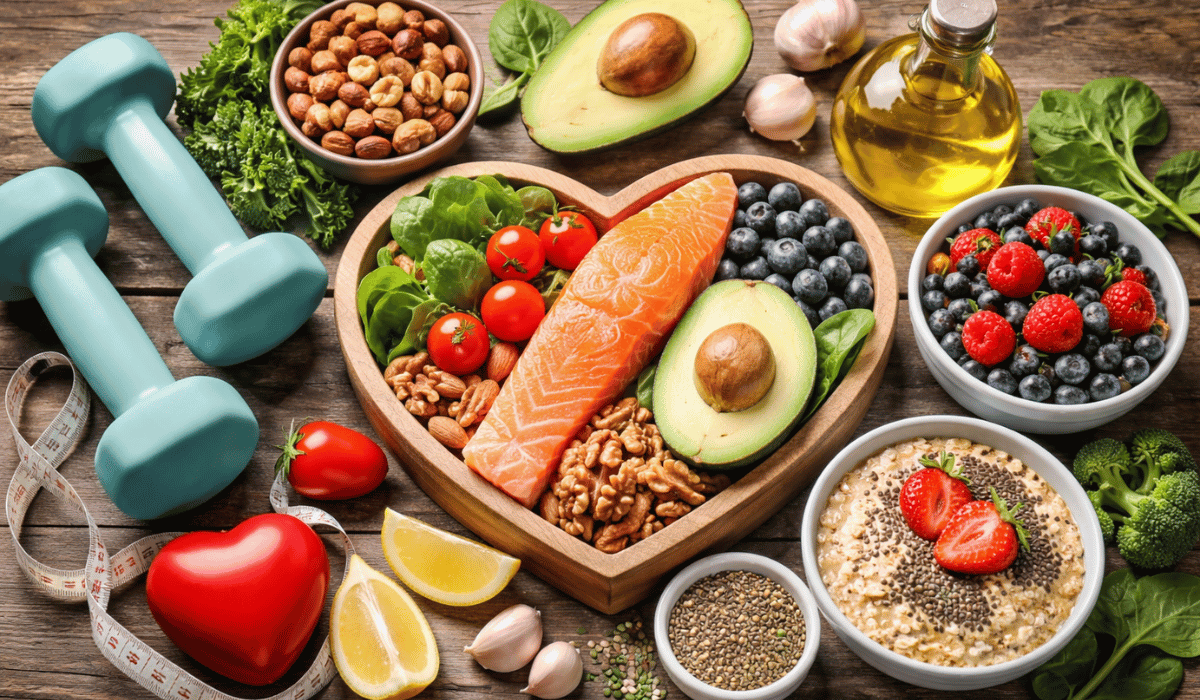
Healthy fats support better cholesterol balance. Foods rich in monounsaturated and omega-3 fats are especially helpful.
Examples include:
- Olive oil
- Avocados
- Nuts such as almonds and walnuts
- Fatty fish like salmon and sardines
- Seeds such as flaxseeds and chia seeds
These foods support heart health and improve cholesterol balance.
Increase Fiber Intake
Fiber helps remove cholesterol from the body and supports healthy digestion. Experts recommend consuming 25–35 grams of fiber daily.
Foods rich in fiber include:
- Oats
- Whole grains
- Lentils and beans
- Fruits such as apples and berries
- Vegetables like broccoli and carrots
Fiber-rich foods help maintain healthy cholesterol levels and reduce cardiovascular risk.
Eat More Fruits and Vegetables
Fruits and vegetables contain antioxidants, vitamins, and plant compounds that support heart health. A diet rich in plant foods helps regulate cholesterol levels and improve overall wellness.
Try to include a variety of colorful fruits and vegetables in your meals every day.
Avoid Trans Fats and Limit Saturated Fats
Certain unhealthy fats can reduce HDL and increase harmful cholesterol.
Limit or avoid:
- Fried foods
- Processed snacks
- Packaged baked goods
- Margarine with trans fats
- Fatty red meat and full-fat dairy
Reducing these foods can help improve cholesterol levels and support heart health.
Reduce Sugar and Refined Carbohydrates
Excess sugar and refined carbohydrates may lower HDL cholesterol and increase triglycerides.
Try to reduce:
- Sugary drinks
- Candy and desserts
- White bread and white rice
- Processed snack foods
Instead, choose whole grains and natural foods.
Exercise Regularly

Physical activity is one of the most effective ways to increase HDL cholesterol.
Regular exercise helps:
- Raise HDL levels
- Reduce LDL cholesterol
- Improve heart health
- Maintain a healthy body weight
Health experts recommend 30 to 60 minutes of aerobic exercise most days of the week.
Examples of helpful activities include:
- Brisk walking
- Jogging
- Cycling
- Swimming
- Dancing
- Playing sports
Even simple activities like daily walking can significantly improve cholesterol levels.
Maintain a Healthy Weight
Excess body weight can negatively affect cholesterol levels and heart health. Losing even a small amount of weight can help improve HDL cholesterol.
Healthy weight management can:
- Increase HDL levels
- Reduce LDL cholesterol
- Improve blood pressure
- Lower risk of heart disease
A combination of a balanced diet and regular physical activity is the best approach for maintaining a healthy weight.
Stop Smoking
Smoking has a direct negative impact on cholesterol levels. It lowers HDL and damages blood vessels.
When people quit smoking:
- HDL cholesterol increases
- Blood circulation improves
- The risk of heart disease decreases
Quitting smoking is one of the most important lifestyle changes for heart health.
Limit Alcohol Consumption
Moderate alcohol consumption has been associated with slightly higher HDL levels. However, excessive alcohol can cause serious health problems.
General guidelines suggest:
- Up to one drink per day for women
- Up to two drinks per day for men
However, if you do not drink alcohol, experts do not recommend starting just to increase HDL.
Manage Stress and Sleep Well
Chronic stress and poor sleep habits may negatively affect cholesterol and heart health.
Healthy stress management techniques include:
- Meditation
- Yoga
- Deep breathing exercises
- Spending time outdoors
- Maintaining social connections
Getting 7–9 hours of sleep per night also supports overall metabolic and cardiovascular health.
Get Regular Cholesterol Screening
Many people do not know they have unhealthy cholesterol levels because symptoms of high cholesterol may not appear early.
Health experts recommend that adults get a cholesterol test every 4 to 6 years or more often if they have risk factors such as obesity, diabetes, or a family history of heart disease.
Regular screenings help doctors detect problems early and provide proper guidance.
Cholesterol Care and Primary Healthcare Support
Managing cholesterol often requires medical guidance, especially for people with existing health conditions.
Organizations like IAMACF provide important healthcare services for underserved communities. Through their primary care services, patients can receive:
- Cholesterol screenings and blood tests
- Preventive health checkups
- Lifestyle and nutrition counseling
- Monitoring for conditions such as hypertension and diabetes
- Medical guidance for managing cholesterol levels
The clinic focuses on helping uninsured and underserved individuals access quality healthcare services. By providing preventive care and chronic disease management, IAMACF helps patients maintain healthier lives and reduce the risk of heart disease.
Patients who have concerns about cholesterol levels or heart health can benefit from professional guidance and regular health evaluations through these services.
When to Talk to a Doctor
While lifestyle changes can improve cholesterol levels, some people may still need medical support.
You should consult a healthcare professional if you:
- Have a family history of heart disease
- Have diabetes or high blood pressure
- Have very low HDL levels
- Are you overweight or obese?
- Experience symptoms such as chest discomfort or shortness of breath
A healthcare provider can recommend blood tests, lifestyle plans, or medications when necessary.
Conclusion
HDL cholesterol plays an essential role in protecting your heart and blood vessels. Low HDL levels can increase the risk of heart disease, but the good news is that many natural steps can help raise them.
Simple lifestyle habits—such as eating a balanced diet, exercising regularly, maintaining a healthy weight, quitting smoking, and managing stress—can significantly increase HDL cholesterol levels. These changes not only improve cholesterol balance but also support long-term heart health.
Regular health checkups and cholesterol screenings are also important. Healthcare providers like IAMACF offer primary care services that help patients monitor cholesterol levels, receive medical advice, and manage chronic conditions effectively.
FAQ’s
What foods help increase HDL cholesterol?
Foods that contain healthy fats and fiber can help increase HDL cholesterol. Examples include olive oil, nuts, seeds, fatty fish, whole grains, fruits, and vegetables. These foods support heart health by improving the balance between good and bad cholesterol. Eating a balanced diet with natural, minimally processed foods can gradually improve HDL levels.
Can exercise increase HDL cholesterol?
Yes, regular physical activity can help increase HDL cholesterol. Aerobic exercises such as walking, jogging, cycling, and swimming improve heart health and cholesterol balance. Experts recommend at least 30 minutes of moderate exercise most days of the week. Even simple activities like daily brisk walking can gradually improve HDL levels.
How long does it take to increase HDL cholesterol?
The time required to increase HDL cholesterol varies from person to person. With consistent lifestyle changes such as healthy eating, regular exercise, weight management, and quitting smoking, improvements may appear within a few weeks to a few months. Regular health checkups and cholesterol tests help track progress.
Does losing weight increase HDL cholesterol?
Yes, losing excess weight can help increase HDL cholesterol levels. Being overweight is linked with lower HDL levels and higher LDL cholesterol. Even modest weight loss can improve cholesterol balance and heart health. Combining healthy eating with regular physical activity is one of the most effective ways to achieve and maintain a healthy weight.
Why is HDL cholesterol important for heart health?
HDL cholesterol helps remove extra cholesterol from the bloodstream and carries it to the liver for removal. This process helps prevent cholesterol buildup in the arteries. Higher HDL levels are associated with a lower risk of heart disease, stroke, and other cardiovascular problems, making it an important part of overall heart health.