
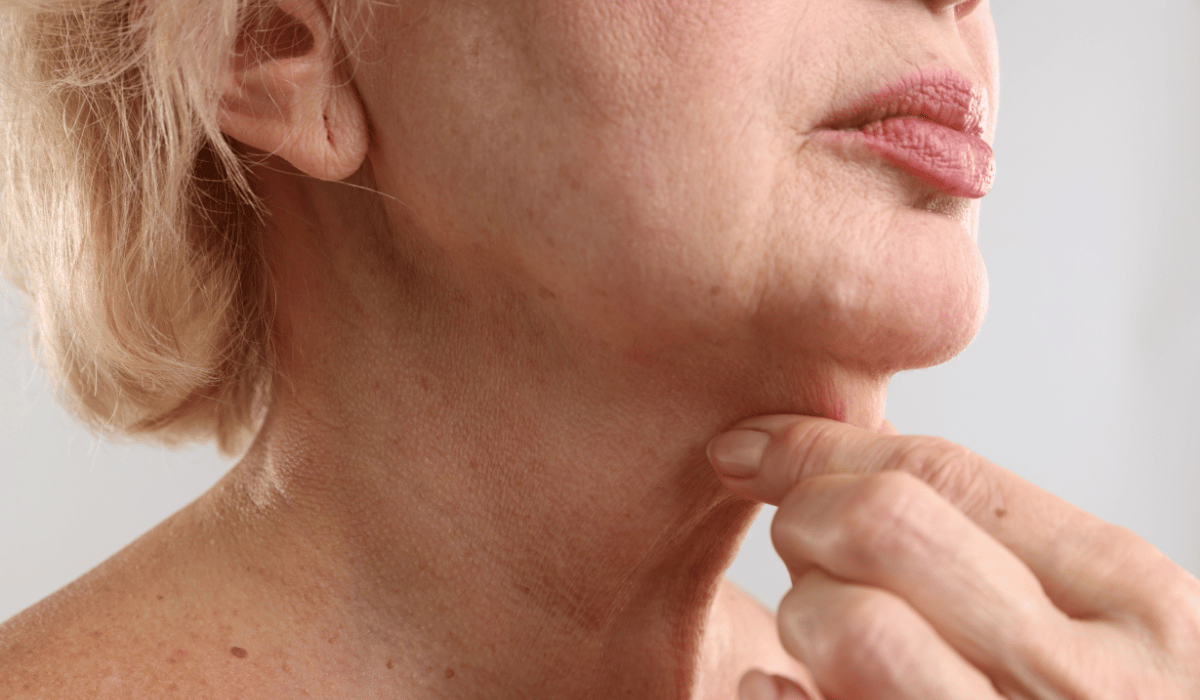
Thyroid disorders are conditions that affect the thyroid gland, which is responsible for regulating many important body functions, including metabolism, energy production, and temperature control. When the thyroid is either overactive or underactive, it can cause significant health problems. Early diagnosis of thyroid disorders is key to preventing complications and managing symptoms effectively.
What is the Thyroid Gland?
The little, butterfly-shaped structure in the front of your neck is called the thyroid gland. It produces thyroid hormones, such as thyroxine (T4) and triiodothyronine (T3), that regulate metabolism, energy production, heart rate, and temperature. When the thyroid produces too much or too little of these hormones, it can result in thyroid disorders.
Types of Thyroid Disorders
The two most common thyroid disorders are:
- Hypothyroidism (Underactive Thyroid): Occurs when the thyroid does not produce enough thyroid hormones, slowing down body functions.
- Hyperthyroidism (Overactive Thyroid): Happens when the thyroid produces too much thyroid hormone, speeding up body functions.
Symptoms of Hypothyroidism (Underactive Thyroid)
When the thyroid gland is underactive, it leads to a decrease in the production of thyroid hormones. This can cause several symptoms, including:
- Fatigue and Weakness: People with hypothyroidism often feel constantly tired, even after a full night’s sleep. This fatigue is due to the slowdown of metabolism and energy production within the body.
- Weight Gain: An underactive thyroid can slow metabolism, making it harder for the body to burn calories efficiently. As a result, weight gain can occur, even if eating habits remain the same.
- Dry Skin and Hair: Hypothyroidism can cause dry, flaky skin and brittle hair. The body’s reduced ability to produce energy affects the skin’s moisture levels and the health of hair follicles.
- Cold Sensitivity: Due to the thyroid’s role in regulating body temperature, people with hypothyroidism often feel unusually cold, even in warm conditions. This is a result of reduced metabolism and energy generation.
- Constipation: Slowed metabolism can impact digestion, leading to constipation. Those with hypothyroidism may find it harder to have regular bowel movements, which can affect their overall comfort.
- Depression and Mood Changes: The physical slowdown caused by hypothyroidism often affects mental health. People may feel more depressed, sad, or anxious due to hormonal imbalances that affect mood regulation.
- Muscle and Joint Pain: Many individuals with hypothyroidism experience muscle aches, stiffness, and joint pain. This can make everyday tasks difficult and uncomfortable.
- Memory Problems: Cognitive functions, such as concentration and memory, may be impaired in people with hypothyroidism. Brain fog is a common complaint as the body’s energy levels decrease.
Symptoms of Hyperthyroidism (Overactive Thyroid)
Hyperthyroidism occurs when the thyroid produces too much of the thyroid hormones, leading to an accelerated metabolism. The symptoms of hyperthyroidism include:
- Rapid Heartbeat or Palpitations: A common symptom of hyperthyroidism is a rapid or irregular heartbeat. This occurs because the body’s metabolism speeds up, including heart rate, which can be felt as palpitations.
- Weight Loss: Despite having a healthy appetite or even increased hunger, people with hyperthyroidism often experience unintentional weight loss. This is because the body burns calories faster than normal.
- Excessive Sweating and Heat Sensitivity: Hyperthyroidism can lead to excessive sweating and sensitivity to heat. This is because the overproduction of thyroid hormones increases body temperature and metabolism.
- Nervousness and Anxiety: People with an overactive thyroid often experience heightened anxiety, nervousness, or irritability. Their nervous system is in a constant state of arousal due to the excess hormones.
- Tremors: Fine shaking or tremors in the hands or fingers is a common symptom. This occurs as a result of the nervous system being overstimulated due to excess thyroid hormones.
- Sleep Disturbances: People with hyperthyroidism often struggle with sleep, experiencing insomnia or poor-quality sleep. Increased metabolism and anxiety contribute to restlessness and difficulty staying asleep.
- Muscle Weakness: Muscle weakness is frequent, especially in the thighs and upper arms. As metabolism speeds up, muscle tissue may deteriorate, causing weakness and difficulty with physical tasks.
- Frequent Bowel Movements or Diarrhea: The fast metabolism caused by hyperthyroidism often accelerates digestion, leading to frequent bowel movements or diarrhea.
- Goiter (Enlarged Thyroid): A goiter, which is an enlargement of the thyroid gland, may be visible in the neck area. This occurs as the thyroid works harder to produce hormones, causing it to enlarge.
How Early Diagnosis Helps

Diagnosing thyroid disorders as early as possible is crucial for effective management and preventing severe complications. Here’s how early diagnosis can help:
Prevents Serious Health Complications
Thyroid disorders, especially when untreated, can lead to serious health issues:
- Hypothyroidism: Can cause heart problems, infertility, depression, and nerve damage.
- Hyperthyroidism: Can result in heart disease, osteoporosis, and thyroid storms (severe worsening of symptoms).
Improves Quality of Life
With early diagnosis, treatment can alleviate symptoms like fatigue, weight changes, and mood swings. Proper treatment can help individuals feel more energetic, improve mental clarity, and regain their overall quality of life.
Ensures Appropriate Treatment
Thyroid disorders are manageable with medication and, in some cases, lifestyle changes. Hypothyroidism is often treated with synthetic thyroid hormones, while hyperthyroidism may be managed with medications, radioactive iodine, or surgery. Early diagnosis allows for the right treatment to begin quickly, preventing further complications.
Reduces the Risk of Associated Conditions
Untreated thyroid issues increase the risk of developing other conditions, such as high cholesterol (in hypothyroidism) and heart problems (in hyperthyroidism). Early treatment minimizes the risk of these additional health concerns.
Prevents Long-Term Health Issues
Early diagnosis reduces the likelihood of chronic complications such as cognitive decline, heart disease, and reproductive problems. Timely treatment helps manage these conditions before they become more serious.
How is Thyroid Disorder Diagnosed?
The process of diagnosing thyroid disorders typically includes:
- Blood Tests: A blood test measures the levels of thyroid hormones (T3 and T4) and thyroid-stimulating hormone (TSH). Elevated TSH levels suggest hypothyroidism, while low TSH and high T3 and T4 levels indicate hyperthyroidism.
- Physical Exam: A healthcare provider may check for physical signs, such as swelling in the neck (goiter), dry skin, or other related symptoms.
- Imaging Tests: If a goiter or abnormal thyroid growth is suspected, an ultrasound or other imaging tests may be used.
- Biopsy: In rare cases, a biopsy may be performed to test for thyroid cancer or other concerns if there are unusual nodules in the thyroid gland.
Treatment for Thyroid Disorders
Treatment for thyroid disorders varies depending on the condition:
- Hypothyroidism: Treated with synthetic thyroid hormone replacement, which restores normal hormone levels in the body.
- Hyperthyroidism: Managed with antithyroid medications, radioactive iodine therapy, or surgery to remove part of the thyroid in severe cases.
Lifestyle changes, such as a healthy diet, exercise, and stress management, also support thyroid health.
Conclusion
Thyroid disorders can have a significant impact on your health, but early diagnosis is the key to effective treatment and prevention of long-term complications. If you experience any symptoms of thyroid problems—such as fatigue, weight changes, mood swings, or sleep disturbances—it’s essential to consult with a healthcare provider. Through blood tests, a physical exam, and other diagnostic tools, thyroid disorders can be identified and managed to improve your health and quality of life.
FAQ’s
What are the common symptoms of hypothyroidism?
Common symptoms of hypothyroidism include fatigue, weight gain, dry skin, cold sensitivity, constipation, and memory issues. These symptoms occur due to a lack of thyroid hormones slowing down body processes.
How does hyperthyroidism affect the body?
Hyperthyroidism causes rapid heartbeat, weight loss, excessive sweating, anxiety, tremors, and sleep disturbances. The overproduction of thyroid hormones speeds up metabolism, leading to these symptoms.
Why is early diagnosis of thyroid disorders important?
Early diagnosis allows for prompt treatment, preventing complications like heart problems, infertility, or cognitive decline. It also helps improve quality of life by addressing symptoms early on, ensuring effective management.
What tests are used to diagnose thyroid disorders?
Blood tests measuring TSH, T3, and T4 levels are the primary method for diagnosing thyroid issues. A physical exam and imaging tests, such as ultrasounds, may also be used to detect abnormalities in the thyroid.
Can thyroid disorders cause emotional symptoms?
Yes, thyroid disorders, especially hypothyroidism, can lead to mood swings, depression, and anxiety. These emotional symptoms are often caused by hormonal imbalances affecting brain function and mood regulation.
How can hypothyroidism affect weight?
Hypothyroidism can slow down metabolism, making it harder for the body to burn calories. This can lead to weight gain, even with unchanged eating habits and physical activity levels.
What are the treatment options for hypothyroidism?
Hypothyroidism is commonly treated with synthetic thyroid hormones like levothyroxine, which help normalize hormone levels and improve symptoms such as fatigue, weight gain, and mood changes.
Can hyperthyroidism cause hair loss?
Yes, hyperthyroidism can lead to hair thinning or loss. The increased metabolism can weaken hair follicles, causing them to fall out more easily. Treatment of hyperthyroidism often helps improve hair growth.