Everyone desires clear, radiant, and youthful skin. However, factors like pollution, stress, hormonal changes, and an unhealthy lifestyle often lead to common skin issues such as acne, dullness, and uneven tone. Dermatology has advanced significantly in recent years, providing effective solutions to rejuvenate and heal the skin from within. One of the most innovative and non-invasive treatments gaining popularity is dermatology blue light treatment.
This advanced dermatological technique is safe, painless, and clinically proven to help treat acne, improve skin texture, and promote an overall healthy glow. Let’s explore in depth how Dermatology Blue Light Treatment works, its benefits, what to expect during the procedure, and how it can help you achieve healthy, glowing skin
What is blue light therapy?
Blue light therapy, also known as Dermatology Treatment or LED light therapy, uses specific wavelengths of blue light (typically in the range of 405–470 nanometres) to target bacteria and skin cells responsible for acne and inflammation.
The blue light penetrates the skin’s surface and kills Propionibacterium acnes (P. acnes) — the bacteria that cause acne breakouts. It also helps reduce excess oil production, calm inflammation, and promote skin healing.
Unlike harsh chemical treatments or oral medications, blue light therapy is non-invasive, drug-free, and safe for all skin types, making it a preferred choice for those seeking gentle yet effective skincare solutions.
How Does Blue Light Treatment Work?
The mechanism behind blue light therapy is fascinating yet simple. Here’s how it works step-by-step:
-
Targeting Acne-Causing Bacteria
The blue light reaches deep into the pores and destroys the P. acnes bacteria without damaging the surrounding skin. These bacteria release porphyrins—molecules that become reactive when exposed to light, producing oxygen that kills the bacteria.
-
Reducing Sebum Production
Overactive sebaceous (oil) glands contribute to clogged pores and acne. Blue light helps regulate these glands, reducing oil production and preventing future breakouts.
-
Calming Inflammation
Blue light has anti-inflammatory properties, which help soothe redness, irritation, and swelling associated with acne.
-
Boosting Skin Healing
It stimulates the skin’s natural repair process and helps regenerate healthy cells, improving overall tone and texture.
-
Enhancing Radiance
Regular treatments make skin appear clearer, smoother, and more radiant, achieving a natural, healthy glow.
Benefits of Dermatology Blue Light Treatment
Blue light treatment offers numerous benefits beyond just acne control. Here’s why dermatologists recommend it for various skin concerns:
1. Effective Acne Treatment
Blue light therapy is primarily used to treat mild to moderate acne. It clears up active pimples, prevents new ones from forming, and reduces the need for harsh topical creams or antibiotics.
2. Gentle and Non-Invasive
There are no needles, chemicals, or downtime involved. The procedure is completely painless and suitable for sensitive skin.
3. Reduces Redness and Inflammation
Blue light soothes irritated skin and helps calm redness caused by acne, rosacea, or inflammation.
4. Controls Excess Oil
Regular treatments help control sebum production, making the skin less oily and prone to breakouts.
5. Improves Skin Texture
By promoting new cell growth and healing damaged tissues, blue light therapy enhances skin smoothness and clarity.
6. Safe for All Skin Types
It works well for people of all ages and skin tones. Dermatologists can customise the treatment intensity based on your skin’s sensitivity.
7. No Downtime
You can return to your regular activities immediately after the session. There’s no peeling, flaking, or post-treatment irritation.
8. Enhances Natural Glow
As acne and inflammation reduce, your skin appears brighter, healthier, and more even-toned.
Who Can Benefit from Blue Light Therapy?
Blue light therapy is suitable for a wide range of individuals, including:
- Teenagers and adults struggling with acne breakouts
- People with sensitive skin who can’t tolerate strong topical treatments
- Those with oily or combination skin
- Individuals seeking non-invasive skin rejuvenation
- People experiencing mild rosacea or redness
- Anyone who wants glowing, clear, and balanced skin
However, if you have very severe cystic acne or deep skin infections, your dermatologist may recommend combining blue light therapy with other treatments for better results.
The Blue Light Treatment Procedure: What to Expect
A typical dermatology blue light therapy session is simple and relaxing. Here’s what happens during the treatment:
Step 1: Consultation
Your dermatologist will first examine your skin and discuss your concerns, medical history, and desired results. They’ll determine whether blue light therapy is right for you.
Step 2: Cleansing the Skin
The skin is thoroughly cleansed to remove makeup, dirt, and oil, ensuring maximum light penetration.
Step 3: Application of Photosensitizing Agent (Optional)
In some cases, a special solution (like aminolevulinic acid) may be applied to enhance the light’s effectiveness. This step is more common in advanced photodynamic therapy.
Step 4: Blue Light Exposure
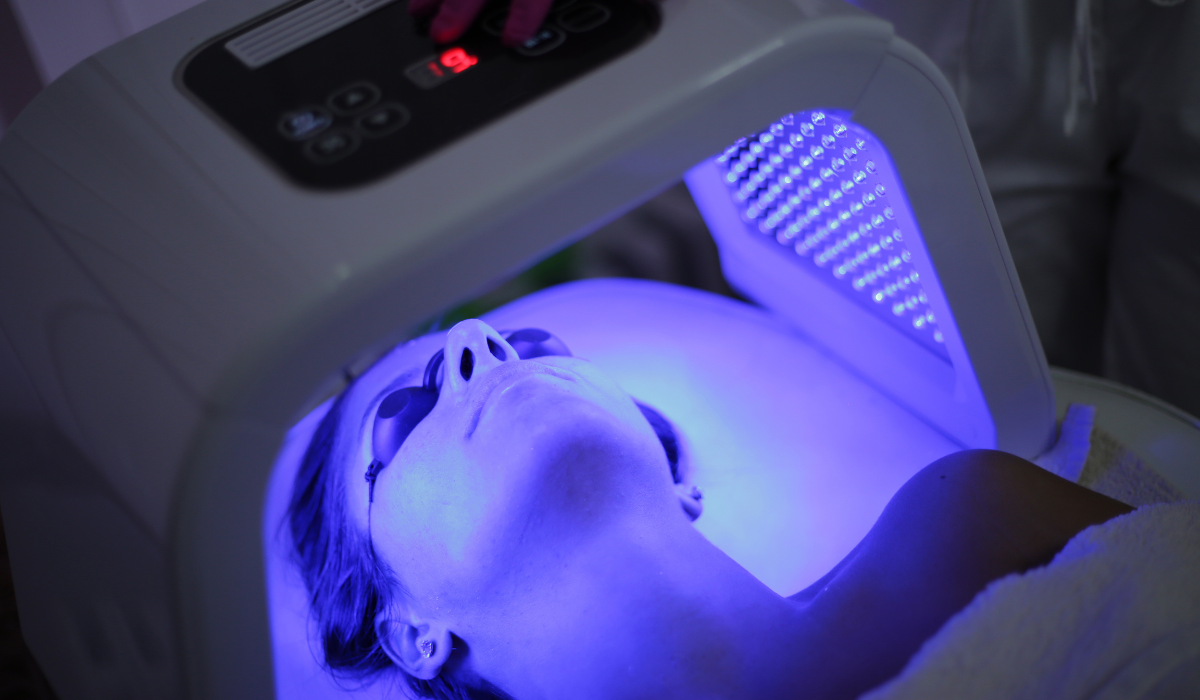
You’ll sit comfortably while a blue LED light device is directed at your skin. The session usually lasts 15–30 minutes. You’ll wear protective goggles to shield your eyes.
Step 5: Post-Treatment Care
Once the session is over, your dermatologist may apply a soothing serum or sunscreen. You can immediately resume your daily routine, though it’s advised to avoid direct sunlight for the rest of the day.
Aftercare Tips for Best Results

To make the most of your blue light therapy, follow these simple skincare tips:
- Apply sunscreen daily to protect your skin from UV rays.
- Avoid harsh products like scrubs or strong exfoliants for 24–48 hours after treatment.
- Stay hydrated — drink plenty of water to help your skin heal faster.
- Follow your dermatologist’s advice on skincare products.
- Maintain consistency — regular sessions (usually weekly or biweekly) yield the best results.
How Many Sessions Are Needed?
The number of sessions depends on your skin type and the severity of your acne. Typically:
- Mild acne: 4–6 sessions may be enough
- Moderate acne: 8–10 sessions over several weeks
- Maintenance: Monthly or quarterly touch-up sessions
Visible improvements often start appearing within the first few weeks as inflammation and active breakouts begin to fade.
Are There Any Side Effects?
Blue light therapy is generally very safe and well-tolerated. Most people experience no side effects. In rare cases, mild redness, dryness, or slight sensitivity might occur temporarily, but these effects subside within a few hours.
It’s always best to have the treatment performed under a certified dermatologist’s supervision to ensure safety and effectiveness.
Dermatology Blue Light Treatment vs. Other Treatments
| Treatment | Invasiveness | Downtime | Key Benefits |
| Blue Light Therapy | Non-invasive | None | Kills acne-causing bacteria, reduces oil, and calms inflammation |
| Chemical Peels | Mildly invasive | 2–5 days | Exfoliates dead skin, brightens tone |
| Laser Treatments | Moderate | 3–7 days | Treats pigmentation and scars |
| Oral Medications | Internal | None | Targets acne internally but may have side effects |
| Topical Creams | Surface-level | None | Manages acne but may irritate skin |
Blue light therapy stands out as a gentle, safe, and effective alternative, especially for those who prefer minimal downtime and long-term skin improvement.
Combining Blue Light Therapy with Other Treatments
For enhanced results, dermatologists often combine blue light therapy with:
- Red Light Therapy: Helps with collagen production and skin rejuvenation.
- Microdermabrasion: Improves absorption and texture before light therapy.
- Hydrafacial: Cleanses and hydrates skin, complementing acne control.
- Topical Serums: Vitamin C or niacinamide serums enhance glow and clarity.
These combinations offer a comprehensive approach to achieving healthy, glowing skin.
Who Should Avoid Blue Light Therapy?
Although the treatment is generally safe, it’s not recommended for:
- People with photosensitive conditions or who are taking medications that increase light sensitivity
- Pregnant or breastfeeding women (consult a dermatologist first)
- Individuals with open wounds or active infections in the treatment area
Always discuss your medical history and skincare routine with your dermatologist before beginning therapy.
The Future of Blue Light in Dermatology
Blue light therapy continues to evolve with advancements in dermatology. Modern devices are becoming more efficient, portable, and even available for home use. However, professional clinic-based treatments still provide the most precise and effective results.
Research is also exploring blue light’s potential for treating other skin conditions such as eczema, psoriasis, and sun damage — making it a promising tool in the future of skincare.
Conclusion
If you’ve been searching for a safe, effective, and non-invasive way to achieve clearer and healthier skin, dermatology blue light treatment is an excellent choice. It tackles acne at its root, balances oil production, and leaves your skin fresh, smooth, and naturally radiant.
Under the guidance of a qualified dermatologist, you can experience visible improvements in just a few sessions — without the risks or downtime associated with more aggressive treatments.
With consistent care, proper skincare, and professional support, blue light therapy can help you rediscover your skin’s natural glow and confidence.
FAQ’s
1. Is blue light therapy safe for all skin types?
Yes, blue light therapy is safe for all skin types and tones. It’s non-invasive, drug-free, and gentle. A certified dermatologist can customise the treatment intensity based on your skin’s sensitivity for the best results.
2. How long does a typical session last?
A standard blue light therapy session usually lasts 15–30 minutes, depending on the area being treated. Protective goggles are worn during the procedure, and most people experience no discomfort or downtime afterward.
3. How many sessions are needed to see results?
Visible improvement is often noticed within a few weeks. Mild acne may require 4–6 sessions, while moderate cases may need 8–10 sessions. Dermatologists may recommend ongoing maintenance for long-term skin clarity.
4. Are there any side effects of blue light therapy?
Side effects are rare and mild, including temporary redness, dryness, or slight sensitivity. These usually subside within a few hours. The treatment is safe under professional supervision.
5. Can blue light therapy be combined with other treatments?
Yes, it can be combined with red light therapy, facials, microdermabrasion, or topical serums. Combining treatments enhances results, addressing acne, inflammation, and skin texture simultaneously. Always consult your dermatologist for the right combination.
6. Who should avoid blue light therapy?
People with photosensitive conditions, those on light-sensitive medications, pregnant or breastfeeding women, and individuals with open wounds or active infections should avoid the treatment or consult a dermatologist first.
7. How quickly will my skin glow after treatment?
Most people notice a visible reduction in acne and improved clarity within a few sessions. Continued treatment and proper skincare can lead to smoother, radiant, and naturally glowing skin over time.
8. Does the treatment hurt?
No, blue light therapy is completely painless. You may feel a mild warmth or tingling sensation, but there’s no discomfort. It’s one of the safest and most relaxing dermatology treatments available.