

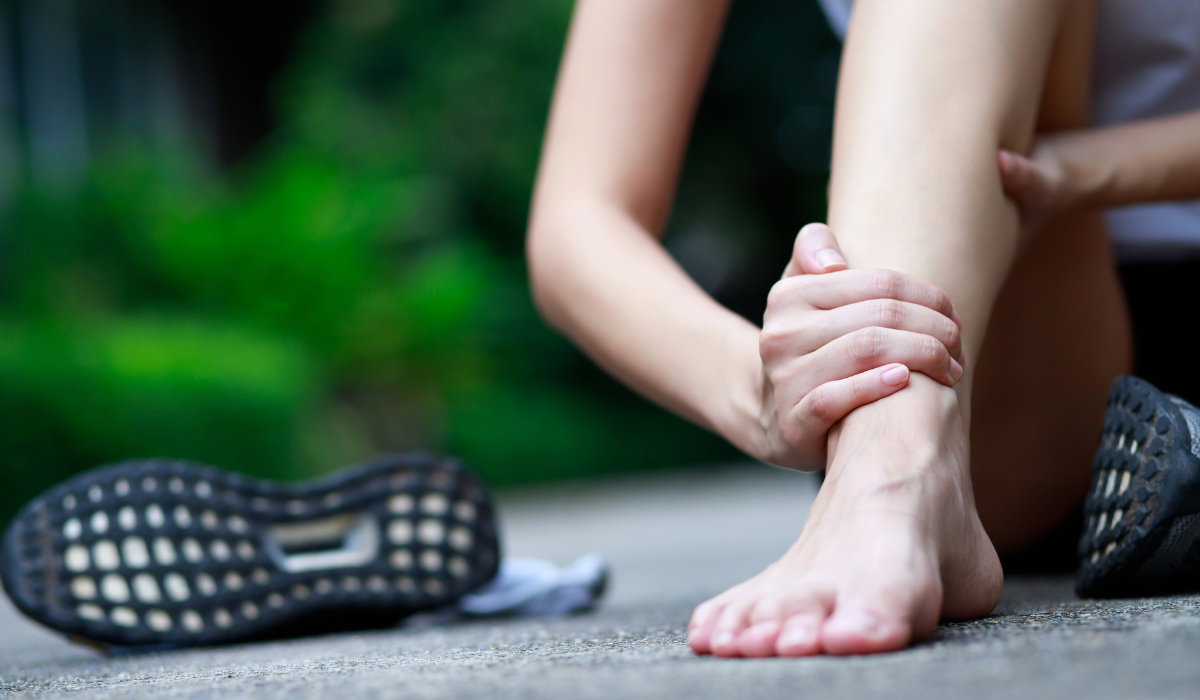
Staying active as we age supports both physical and mental health, yet a high percentage of elderly people suffer ankle pain after running or walking. Pain, stiffness, or swelling can make gentle activity painful, particularly if you’ve remained active all your life.
The good news is that with a few simple remedies and adjustments, you can manage the pain and continue moving safely. In this article, we’ll discuss the causes of ankle pain and doable ways to relieve it.
Why Ankle Pain After Running Is Common in Older Adults
As we age, the joints naturally wear down. Ankle pain after running or walking is one of the most prevalent complaints among active older persons. Although it may seem disheartening, the good news is that for most people, this pain can be prevented — and even treated — with the proper approach.
Bone density, muscular strength, and joint flexibility all vary as people age. Add years of walking and standing and perhaps even ill-fitting shoes to that, and the ankles can become susceptible. But continuing activity is necessary for general health, including for older people. So let’s review some practical and secure ways of managing and avoiding ankle pain.
Listen to Your Body: Early Signs to Watch For
Before we dive into remedies, you should know when your body is issuing warning signals. A few of the signs that your ankle pain may require attention are:
- Pain that does not subside within 3 days
- Swelling or stiffness following a brief walk
- Increased difficulty in putting weight on the foot
- Numbness or tingling in the foot or ankle
Remedies That Work for Ankle Pain
The following are remedies that work and can be done at home or with professional help:
1. RICE Method: A Simple Start
The RICE approach — Rest, Ice, Compression, and Elevation — is effective for minor sprains or overuse injuries. If your ankle hurts after a walk, try this:
- Rest: Do not run for a day or two. Don’t make the pain worse.
- Ice: Use a cold pack for 15–20 minutes, several times a day.
- Compression: Wear an elastic ankle brace to limit swelling.
- Elevation: Place your foot above the level of your heart if you are sitting or lying down.
2. Change Your Footwear – It’s More Important Than You Think
Wearing old, worn-out shoes or shoes that have no arch support can activate ankle issues. Shoes made for walking or running specifically for older adults have superior shock absorption and stability.
Look For:
- Sturdy heel counters
- Cushion midsoles
- Non-slip bottoms
3. Strengthen and Stretch Your Ankles
Gentle exercises can enhance joint mobility and lower pain risk. Attempt these low-impact exercises:
- Ankle circles: Make a slow circle with each foot.
- Calf raises: Stand close to a chair and slowly rise onto your toes, then slowly come back down.
- Towel stretch: Hold one leg with a towel on the floor while sitting with the other leg straight. Slowly tug on the towel to bring your heel toward you.
For best results, do these three to four times a week.
4. Over-the-Counter Relief with Caution
Pain-relieving creams and NSAIDs such as ibuprofen can reduce swelling and discomfort. However, always get your doctor’s advice if you have high blood pressure, kidney problems, or take other drugs.
5. Warm-Up Before Activity and Cool Down After
There is a greater chance of damage while exercising without first warming up. Take a minimum of 5–10 minutes to perform slow stretches or walk gently prior to and following your core activity. This gets your joints ready and recovers them in a better manner.
6. Try Low-Impact Alternatives Temporarily
If running is generating frequent pain, resort to low-impact exercises such as swimming, cycling, or water walking for a temporary period. These exercises are easy on the joints but keep you active and healthy.
7. When to See a Professional
Pain that persists or is severe should not be taken lightly. A physical therapist can provide specific stretches, joint mobilization, and gait evaluation to determine the actual reason behind your ankle pain after running. Sometimes, custom orthotics may also prove beneficial.
Conclusion
You don’t have to stop being active just because you have ankle pain after running. It’s an indication that your body needs some attention. Maybe it’s switching shoes, stretching a little, or just giving your ankle some rest—all small things that can make a big difference.
It is possible to remain healthy during your 50s, 60s, and even later, just with a bit more care and attention. Remember that prevention is always preferable to treatment.
FAQ’s
Is ankle pain after running normal for older adults?
Yes, it’s normal with natural aging, but not to be taken lightly. Pain that continues may require a doctor.
How long should I rest my ankle if it hurts after running?
Rest for at least 1–2 days and monitor the pain. If symptoms get worse or do not subside, seek advice from a doctor.
Can walking on hard surfaces cause ankle pain?
Yes, hard or concrete pavements put more impact on joints. Walk on grass, tracks, or cushioned ground instead.
Are home remedies enough for treating ankle pain?
For minor cases, yes. Physical therapy or medical attention, however, may be required for severe or chronic pain.